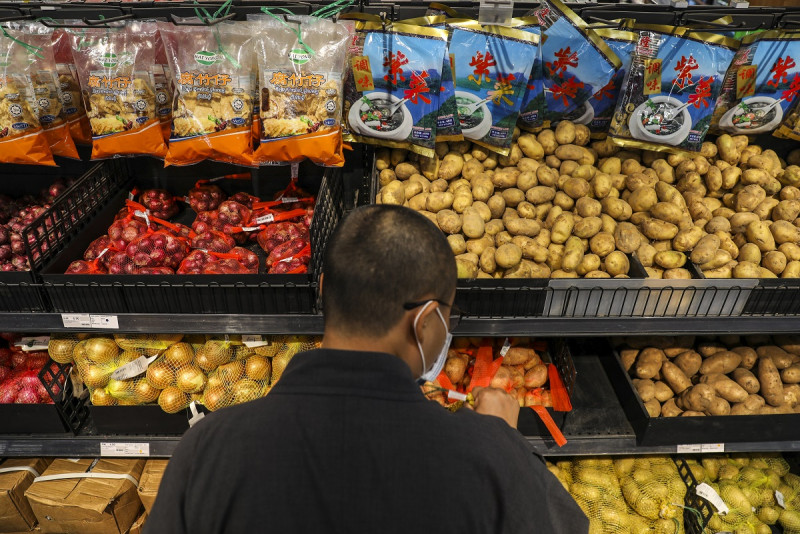

KUALA LUMPUR – The impending price hikes as a result of subsidy removals come July 1 have set off alarms among the lower-income groups as they struggle to afford basic food items.
A survey by The Vibes’ sister portal Getaran found that several consumers are frustrated with the “sudden” subsidy removal of chicken, chicken eggs and palm cooking oil, seeing it will impact their monthly food bill.
A food trader known as Richard, 60, disagrees with the subsidy removal for cooking oil, saying the timing is bad as the B40 group is already struggling with the cost of living.
“It is not right and I do not agree with the government’s action to withdraw subsidies, especially for cooking oil.
“Cooking oil is one of the basic and vital items. If we cannot afford cooking oil, how will the people prepare their food? How do traders like us sell food to the poor?” he said when met in Kepong.
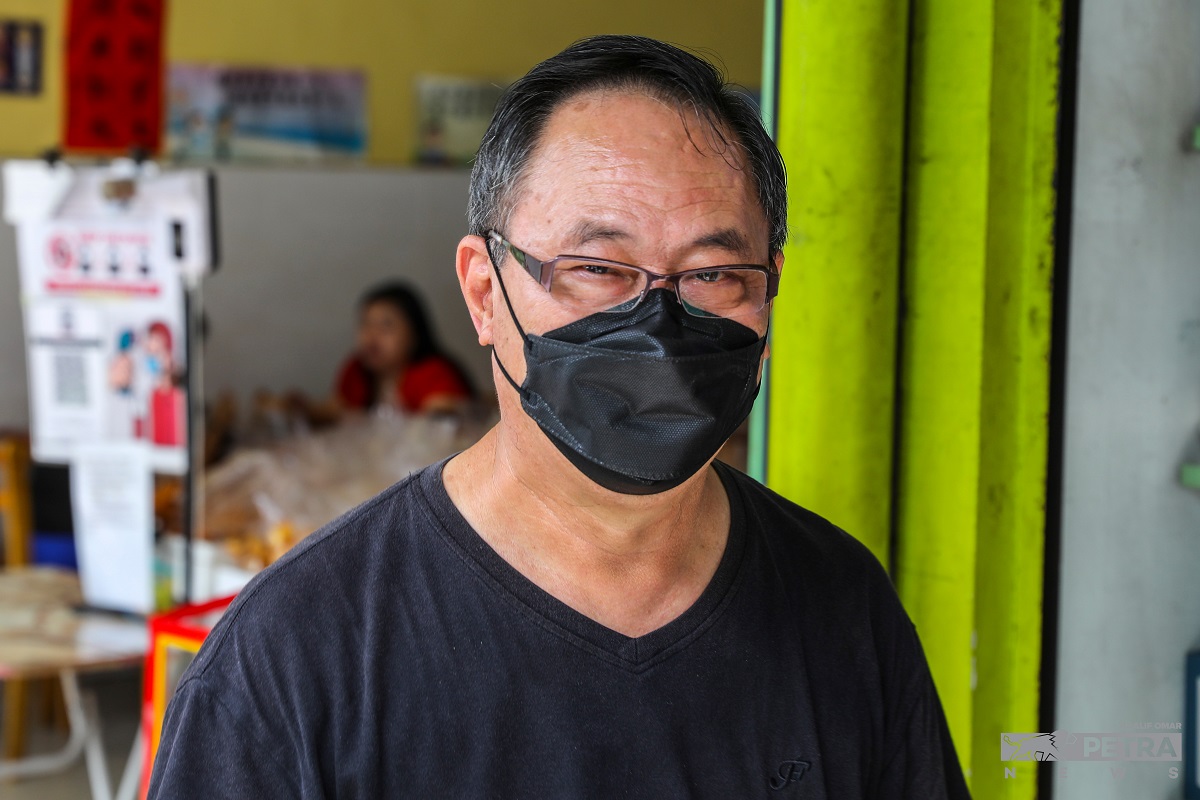
Consumer Lis Lim said the move will send food inflation soaring, raising concerns of profiteering among producers and traders.
In the end, consumers are the victims. This will add to our current financial burden.
“The government should have looked at alternatives to stabilise the economy and prices of essential goods, instead of removing ceiling prices and subsidies.”
Meanwhile, student Siti Nurhawa Norhalinan, 22, said many Malaysians are still struggling to recover from financial challenges brought by the Covid-19 pandemic.
“Aside from the B40 group, small food traders are among the most affected. They depend on subsidised cooking oil to earn a living. If prices go up, they will barely break even.
“The government should not place the burden on the public who are increasingly affected by the current economic instability.”

Food traders in Penang have warned that the abolition of subsidies for chicken, eggs, and cooking oil will result in higher prices to keep their businesses “alive”.
Simple Cafe operator Mazura Mahmud, 45, told The Vibes yesterday that the business has already had to increase food prices by 50 sen last month when the chicken shortage hit the country.
“There are also restaurant owners who are indebted to wholesalers, so the only option we have is to raise food prices to cover the costs incurred. In my opinion, this year is a very challenging one for us,” she said, adding that her restaurant’s food prices may increase by up to 10% in July.
Nasi Kandar Hidayah Restaurant trader Mohamed Naser Ibrahim, 51, said the restaurant had to increase the price of each food and beverage item by 20 to 30 sen.
Previously, we sold roti canai at RM1.20, but it had to be increased to RM1.50 a piece. Apart from roti canai, we are also facing an increase in the price of raw materials such as chicken, fish, vegetables, and eggs.
The ceiling price for chicken and chicken eggs as well as bottled cooking oil subsidies for volumes of 1kg, 2kg, 3kg and 5kg will not be continued from July 1 onwards, Domestic Trade and Consumer Affairs Minister Datuk Seri Alexander Nanta Linggi announced on Tuesday.
The subsidy for bottled cooking oil, which was initiated in August last year as a temporary measure during the Covid-19 pandemic was extended originally from the initial three-month period.
However, Prime Minister Datuk Seri Ismail Sabri Yaakob asserted yesterday that it is being misused and there has been smuggling by various parties, including industries, prompting the government’s move to cancel the subsidy.
The subsidy for a 1kg packet of cooking oil, which has been in place since June 2007, is being maintained. – The Vibes, June 23, 2022
Additional reporting by Sofia Nasir