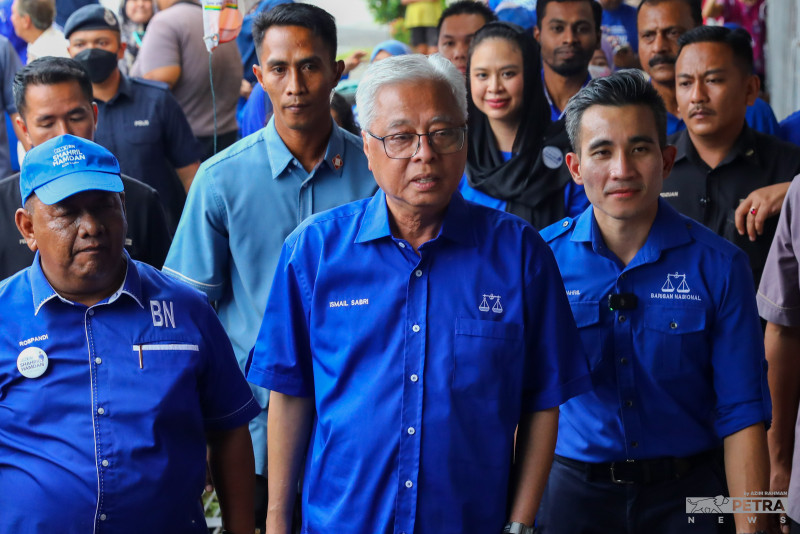

KUALA LUMPUR – Datuk Seri Ismail Sabri Yaakob has received his fair share of criticism during his stint as prime minister, but in the bigger picture relating to political stability, few can boast about having achieved what he had in the span of 14 months.
Whether it is down to mere desire to remain in power or the pressure to accede to the demand made by the Yang di-Pertuan Agong to “lower the political temperature”, that he was able to do what others before him could not showed his maturity.
For political observers, with no one coalition expected to form a majority government in this election, the spirit of bipartisanship shown by the incumbent Bera MP should be something that must be maintained moving forward.
That Muda president Syed Saddiq Syed Abdul Rahman had described Ismail Sabri as a conciliatory leader shows just how even some of those in the opposition regard the Umno man.
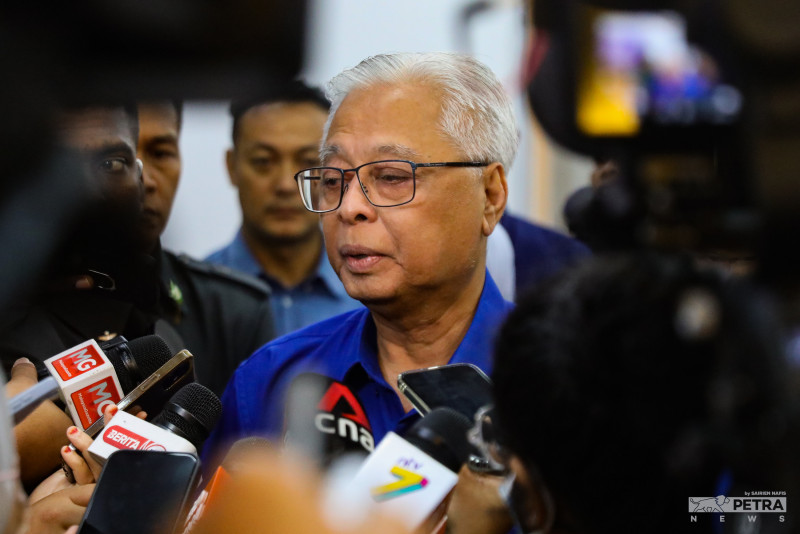
Peacemaker Ismail Sabri’s efforts are particularly evidenced in the signing of the memorandum of understanding (MoU) with Pakatan Harapan (PH), less than a month after he helmed the country.
As a result, key legislation was able to be passed in the Dewan Rakyat – including the constitutional amendments to outlaw party-hopping and to give greater recognition to the Malaysia Agreement 1963.
One of the terms in the MoU was that the general election must not be held during the peak of the Covid-19 pandemic, so attention could be focused on mitigating the health crisis.
And for the first time, opposition MPs were accorded equal constituency funding as their government peers.
Within the government itself, Ismail Sabri’s placatory nature meant he could also appease the Umno faction led by party president Datuk Seri Ahmad Zahid Hamidi as well as members of the Perikatan Nasional coalition.
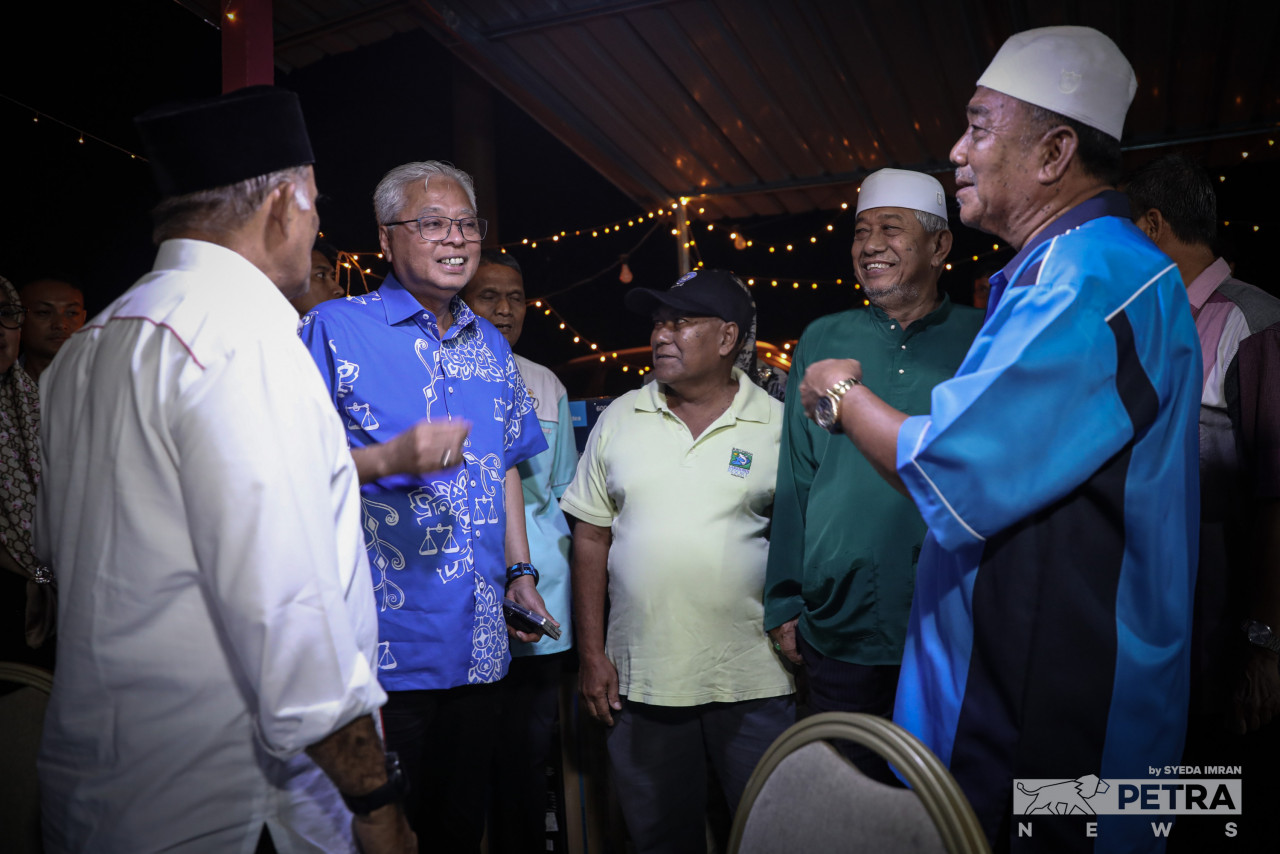
Speaking to The Vibes, Universiti Tun Hussein Onn Malaysia senior lecturer Mohd Akbal Abdullah said some of the actions taken by Ismail Sabri showed that the rakyat has always been at the forefront of his administration.
He said the cooperation that the prime minister was able to garner from all sides was especially critical at a time when the country was embroiled in political instability.
“The MoU, in particular, is crucial. The rakyat needed a temporary government, but one that is stable. So for me, the agreement Ismail Sabri made with the opposition was necessary,” said the academician, who is in the university’s Social Sciences Department.
Ismail Sabri-led MoU should be benchmark
For Universiti Utara Malaysia’s Prof Mohd Azizuddin Mohd Sani, whichever leader takes over Putrajaya after the election should emulate Ismail Sabri in the way he was able to conciliate different quarters.
Chiefly, the academician said the confidence and supply agreement concept brought by the caretaker prime minister, that was effectuated in the form of an MoU, should be the benchmark for any future government.
“Whatever said about it, it has proven to have brought back much needed political stability into the country.
“Although personally, I have to say that having a government with a two-thirds majority provides the best stability, the MoU is proof that cooperation across the aisle can work.”
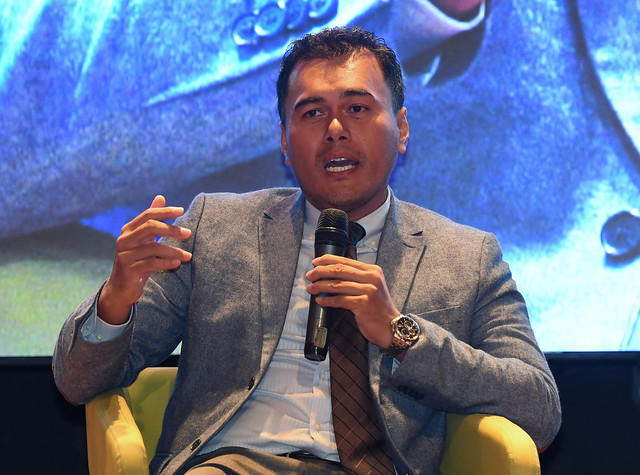
Azizuddin told The Vibes that the opposition and public members have also credited bipartisanship for the implementation of several reform agendas that showed Ismail Sabri and PH were right to stand by such a decision, despite objections from certain quarters.
In this regard, he said any sort of agreement that is inked with the opposition after the national polls, even in the event there is already a majority government, should be welcomed.
“In the spirit of stability, why not? Perhaps there are concerns that even with majority support, that there is some sort of insecurity. So, rather than having another government collapse, there can be cooperation.
“Besides, another MoU would ensure that more reform agenda and people-centric policies can be realised, so it’s a win-win for all.”
Ismail Sabri was sworn in as prime minister on August 21, 2021 after a week-long political crisis following the resignation of Bersatu president Tan Sri Muhyiddin Yassin from the top post.
His premiership came to an end on October 10 this year after he announced the dissolution of Parliament, paving the way for the 15th general election. – The Vibes, November 14, 2022



.jpeg)