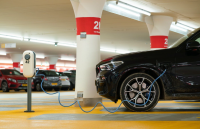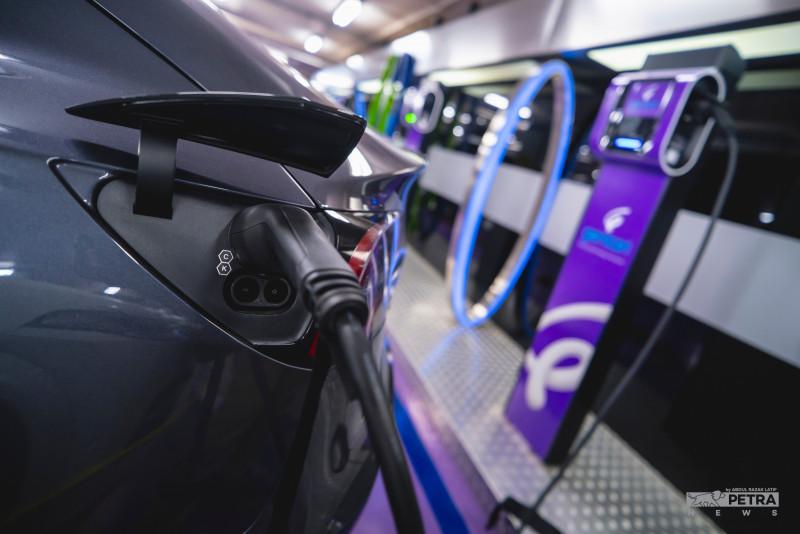
KUALA LUMPUR – The government has been urged to focus on providing incentives for those planning to install charging infrastructure to spur nationwide growth of the electric vehicle (EV) industry.
In a statement by the Zero Emission Vehicle Association (ZEVA) yesterday, which listed its wish list for the retabling of Budget 2023, it said while the current incentives are appreciated, their proposed “interventions” could increase the number of EVs from around 2,000 at present to 700,000 by 2030.
“While more approval permits are being issued for foreign EVs to be sold in the country, which we thank the International Trade and Industry Ministry for the great effort, we believe that the charging industry also needs to respond.”
According to ZEVA’s survey among EV users, the top two concerns on adoption of the technology are the driving distance anxiety and lack of destination charging infrastructure.
“Therefore, ZEVA has proposed that the government focus on the charging infrastructure, which is one of the top two concerns of electric vehicle drivers.
In terms of city charging, ZEVA suggests some allocation for the set-up of public charging in any particular city.”
ZEVA also added that in terms of highway charging, the government should allocate RM500,000 for each rest area, catering for six DC chargers per area.
Additionally, ZEVA also proposed a grant for non-landed property managers for the installation of electric vehicle chargers in high-rise buildings, which would cost approximately RM10,000 each.
These incentives, it said, will not be used to cover 100% of the chargers’ costs, but will be used to cater to the cost of setting up the charging facilities.
The group added that the government’s assistance is needed as the first movers’ assets will only be utilising a fraction of the capacity of these facilities.
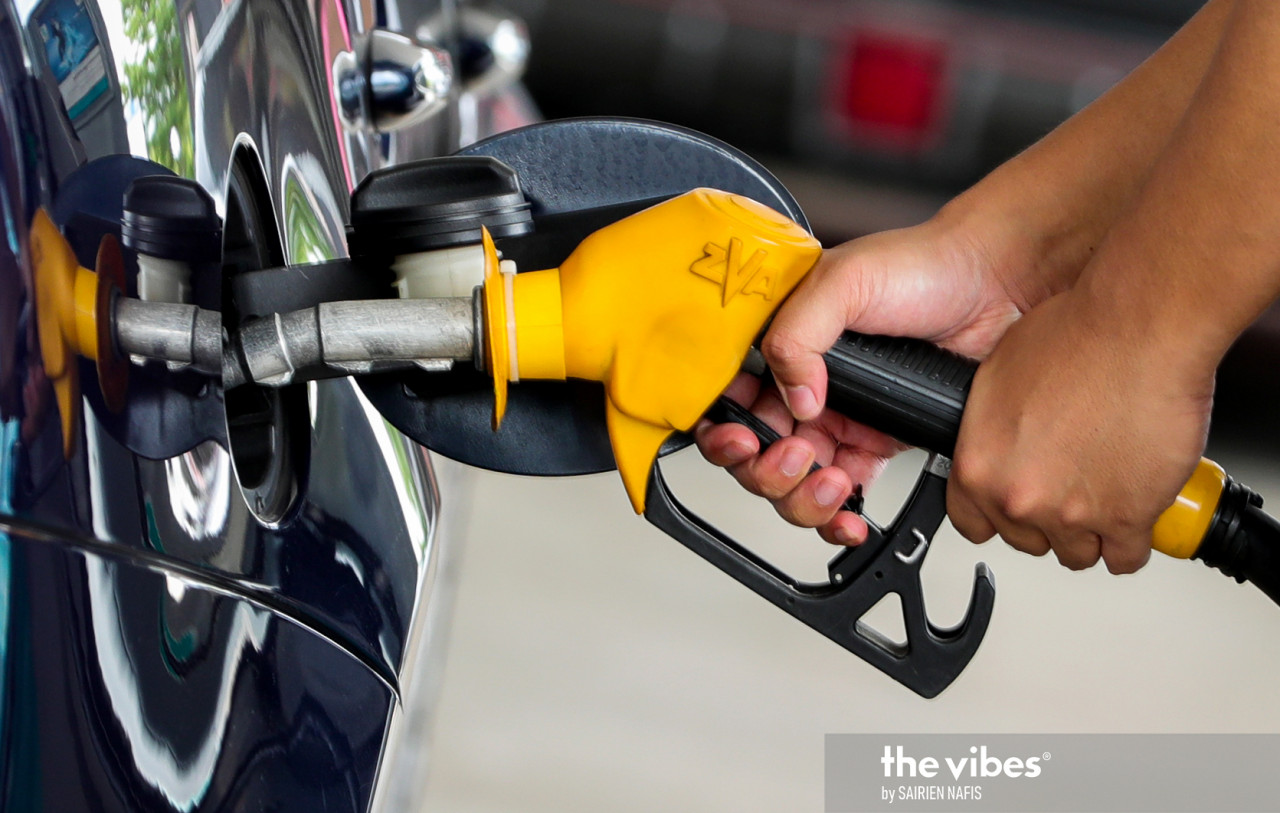
In addition, they also proposed a matching grant for research and development in the electric vehicle industry, along with a cash rebate for trade-ins of petrol- and diesel-fueled vehicles to inspire high-end new vehicle buyers.
ZEVA also stated that the savings from the government’s plan to implement targeted fuel subsidies can be used to incentivise the charging infrastructure.
Based on their calculations, this will help amplify the number of electric vehicles more than 15 times and also reduce 17% of greenhouse gas emissions.
Besides that, ZEVA also urged the Road Transport Department to announce new EV registrations monthly to enable proper monitoring of EV targets.
They expressed hope the government will consider their proposals related to the charging industry and electric vehicle adoption. – The Vibes, February 21, 2023