KUALA LUMPUR – As climate change accelerates, so too Malaysia is accelerating its use of renewable energy.
Since 2000 and the Five Fuel Diversification Policy, Malaysia has included biomass, biogas, municipal waste, solar and small hydropower in the energy mix.
This use of renewable energy was accelerated by the 2010 National Renewable Energy Policy, which set a target of 20 percent renewable energy in the power generation mix (also known as the installed capacity mix) by 2025.
By March 2023, Malaysia’s percentage of renewables was 25 percent, surpassing the 2010 target.
The main reason for this success is solar energy.
Malaysia has huge potential to harness energy from the sun because the country is located at the Equator and receives six hours of sunlight on average daily.
A series of government initiatives, combined with the falling price of solar panels and increased awareness among Malaysians on the benefits of solar energy in reducing their electricity bills and carbon footprint, have also played a role.
Since 2011, energy generated by all the solar installations in Malaysia surged 1,000 times from two megawatts (MW) to approximately 2657.15MW in August this year. Several government initiatives have helped.
The Feed-in Tariff (FiT) which kicked off in 2011 and allowed solar PV owners to sell the electricity they generated to the national grid at a fixed price led to a rapid increase in solar panel installations.
Such was the programme’s success the government was forced to reduce the feed-in rates in 2016 due to ballooning costs. Still, the programme contributed 321.56MW of solar PV installed capacity as of August.
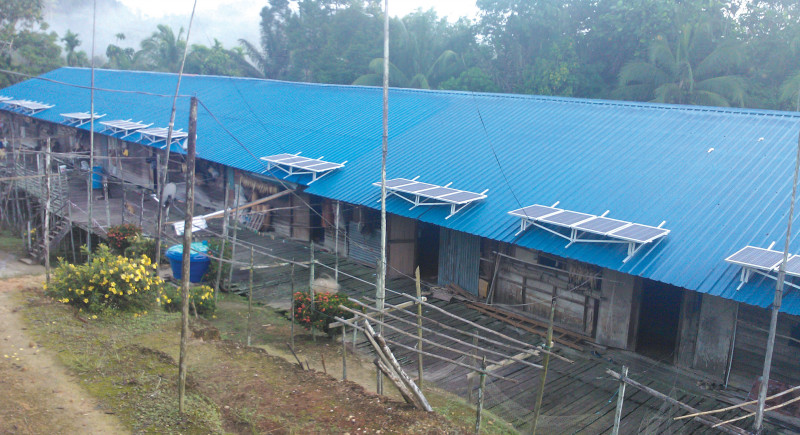
The Net Metering (NEM) Scheme was introduced in November 2016 where users would first use the power generated for their own consumption and sell any excess power to the national grid at a displaced cost.
The scheme was altered in 2019 to include an offset, whereby every 1kWh exported to the grid by the solar PV owner was offset against 1kWh of electricity an owner consumed from the grid.
As of August 2023, the NEM scheme generated 843.47MW of solar PV installed capacity.
It’s not only domestic consumers who have rushed to take up solar power.
The Large Scale Solar programme, launched in 2017, encouraged local and international businesses to develop big solar projects which could generate and sell electricity to wholesale buyers.
Facing challenges and renewing targets
A total of 1492.12MW of installed capacity has been in operation from the four cycles of the LSS programme as of August 2023. A further 949.09MW of solar PV capacity has been awarded under the programme but is yet to be operational.
Despite the progress, there are still challenges facing the development of solar energy in Malaysia. The upfront cost of installing a solar PV system for the average homeowner is still high.
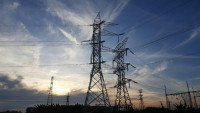
Another challenge is the readiness of the national grid to accept more solar energy. The grid may become unstable when high solar power is supplied but there is lower electricity demand from the end users.
Reliable storage systems would definitely help.
In August 2023, Malaysia revised its target of renewable energy installed capacity from 40 percent by 2040 to 70 percent by 2050. It aims to achieve this target predominantly by increasing the number of solar panel installations.
Among the 10 flagship projects identified under this National Energy Transition Roadmap (NETR) is the establishment of solar parks to accelerate the deployment at the utility-scale.
These solar parks, at five sites across the country, will each consist of a 100-MW LSS installation co-developed by the national energy company Tenaga Nasional Berhad (TNB) in partnership with small and medium enterprises, cooperatives and state economic development corporations.
Another project will be the development of a 2,500MW hybrid hydro-floating solar PV installation, i.e. a floating solar installation placed at TNB’s hydroelectric dams.
Another initiative will look into expanding the virtual aggregation mechanism for rooftop solar programmes. This would allow an owner to sell any excess energy generated from their installation directly to other consumers.
Malaysia has shown a strong commitment to promoting solar energy development since the introduction of the National Renewable Energy Policy in 2010. This commitment has proven fruitful by the significant rise in operational solar PV installations over the last 13 years.
Although there are still several challenges ahead, Malaysia has set new initiatives under the NETR, which will accelerate the growth of solar energy as Malaysia's predominant renewable energy source.
The future of solar energy in Malaysia looks bright – The Vibes, November 2, 2023
Dr Ungku Anisa Ungku Amirulddin is an associate professor at Universiti Tenaga Nasional (Uniten) and leads the Energy Efficiency Research Group at the Institute of Power Engineering, Uniten.
Published under Creative Commons and in partnership with 360info.org