MALAYSIA’S official inflation figures may suggest stability, but for many ordinary citizens, the daily cost of living continues to rise — steadily and persistently — while salaries remain largely flat.
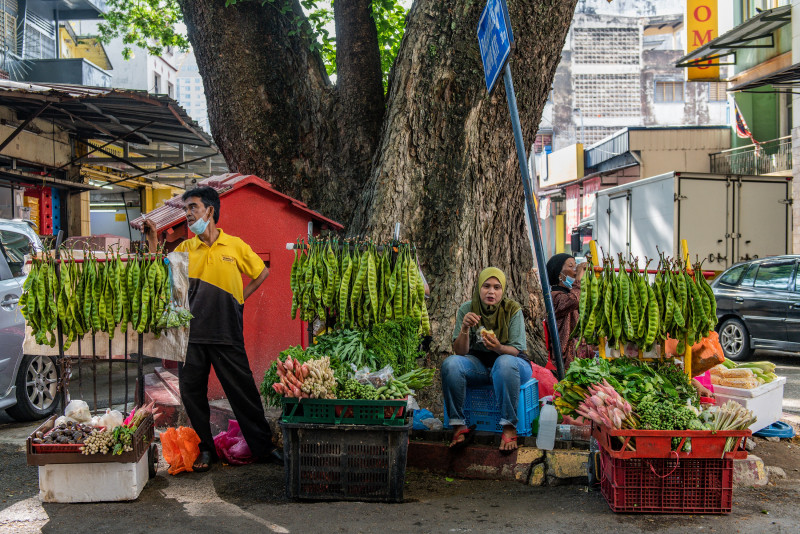
From market essentials to simple roadside meals, the prices of goods and services are increasingly out of step with household incomes. A cup of iced black tea that once cost RM1.80 now fetches as much as RM3.20 in urban centres — a small but telling sign of a broader economic disparity.
“It’s not just about teh O ais,” one observer remarked. “It reflects the widening gap between wage growth and everyday expenses.”
Though the national minimum wage has been raised to RM1,700 a month, starting salaries for many graduates remain stuck at around RM2,500. Even after several years in employment, many workers report negligible increases in pay — all while living costs edge steadily upwards.
This widening mismatch has eroded the public’s purchasing power, drained personal savings, and contributed to mounting financial stress across income groups. While cash support schemes like the Sumbangan Tunai Rahmah (STR) and SARA offer short-term relief, economists warn they are no substitute for long-term solutions.
There is growing consensus that what the nation needs is structural reform — not seasonal assistance. Central to this is the Progressive Wage Policy, long proposed by the Minister of Economy but yet to be fully implemented. Stakeholders are now calling for its urgent rollout.
The policy would ensure that wage growth is tied to performance and productivity, providing a more equitable distribution of gains from economic expansion.
“This is crucial,” said one commentator. “Too many employees have not seen a pay rise that matches the burden they carry.”
But wage reform alone will not suffice. Experts stress the need for tighter regulation of essential goods pricing, supply chain modernisation, and oversight of excessive profit margins — all necessary to tame the cost-push pressures facing ordinary Malaysians.
An economy that grows on paper means little if the benefits fail to reach the rakyat in tangible ways — namely, fair pay and reasonable prices. Without this equilibrium, the risk of growing public discontent looms large.
Malaysians are not asking for luxury. As many have pointed out, they simply want a just and sustainable standard of living — one where their income is enough to support a life of dignity. - June 20, 2025