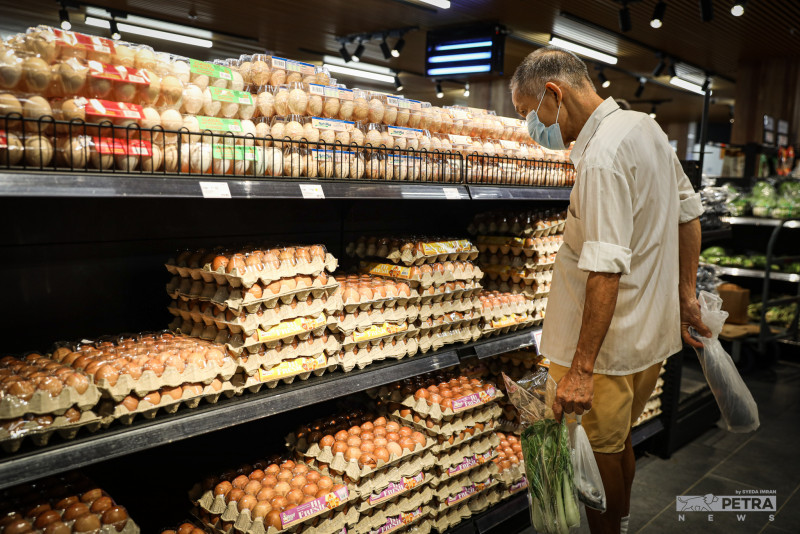
MALAYSIA’S move to rationalise subsidies for essential goods such as sugar, rice and cooking oil will be carried out in stages as part of efforts to strengthen fiscal discipline and curb subsidy leakages, Deputy Finance Minister Lim Hui Ying said.
She said the government’s approach would be implemented gradually to ensure that public funds are directed only to those who are genuinely eligible.
“The approach will be gradual and structured to minimise leakages while ensuring subsidies reach those who truly need them,” Lim said.
The policy, however, presents a dilemma. While economically sound and necessary to prevent wastage, it risks exerting financial pressure on low-income groups and small business operators — segments that form the backbone of Malaysia’s domestic economy.
Many observers have said that, for years, blanket subsidies have disproportionately benefited higher-income earners, industries and even foreign nationals.
The shift towards targeted assistance, seen in programmes such as Budi Madani RON95 and the targeted diesel subsidy, represents the government’s broader fiscal reform agenda.
Savings from these measures are expected to be redirected towards critical sectors, including education, healthcare and rural development.
Yet, the greatest challenge lies in the accuracy of beneficiary data.
Mistakes in identifying eligible recipients could see vulnerable groups excluded, while changes in subsidy mechanisms for essential goods may raise operating costs across the supply and retail chains.
Small traders, hawkers, market vendors and micro food producers could be among the most affected. Any increase in the cost of core ingredients such as cooking oil, sugar, flour and rice — even by 20 or 30 sen — could significantly erode already narrow profit margins.
To cushion the impact, economists and business groups have urged the government to consider targeted support such as operational rebates, direct cash assistance for microenterprises, or special wholesale pricing schemes.
Analysts also emphasise the need for clear communication from the government to ensure the public understands that subsidy rationalisation is not a withdrawal of aid but a reform to improve fairness and efficiency.
Without robust support mechanisms for small traders and low-income households, the initiative could risk widening socio-economic gaps — the very imbalance it seeks to correct. - November 5, 2025