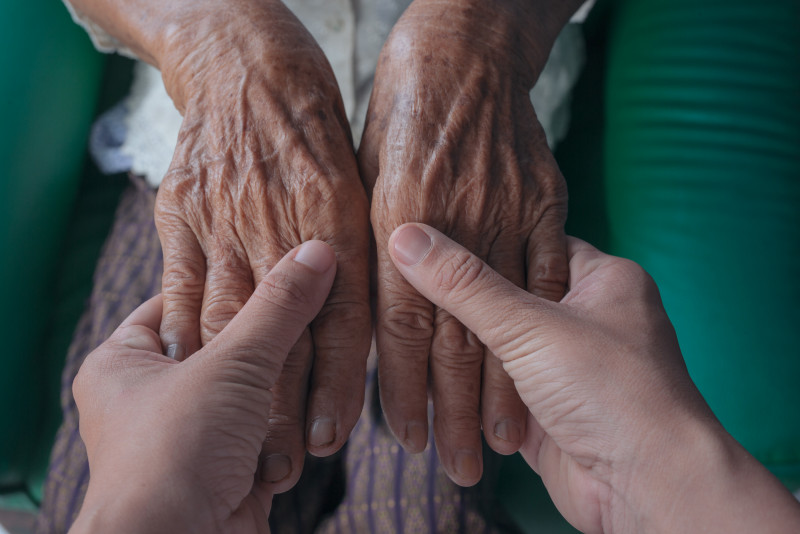
MALAYSIA is heading towards a significant demographic shift, with official projections indicating that nearly 15 per cent of the population will be aged 60 and above by 2030, according to the Department of Statistics Malaysia.
Beyond the headline figures, analysts and observers warn that the country is facing a quieter and more disturbing trend: an increasing number of elderly people living and dying alone, sometimes only discovered days or even weeks later.
The phenomenon has surfaced repeatedly in recent years through cases of elderly individuals found deceased in their homes, only noticed after neighbours detected foul odours or after missed calls and unpaid utility bills raised alarm.
In many instances, the deceased had children or next of kin, but strained relationships, financial pressures or long-standing family conflict left them effectively isolated in their final years.
This is not an isolated issue but one closely linked to structural changes in Malaysian society, particularly rapid urbanisation and shifting family dynamics.
Younger generations have migrated to cities or overseas in search of employment, while rising living costs have pushed dual-income households into long working hours, leaving less time for caregiving and family interaction.
As homes become smaller and routines more demanding, emotional distance within families has widened. In many cases, elderly parents, reluctant to burden their children, choose to live alone despite declining health and increasing vulnerability.
At the same time, there is growing concern over cases of elder neglect, with the Social Welfare Department (JKM) receiving annual reports of elderly individuals left without adequate support, care or financial assistance.
While not all such cases end in solitary deaths, the underlying causes often overlap: loneliness, weakened family support structures and a lack of consistent social contact.
The issue also reflects a deeper crisis of social values.
Malaysian society often prides itself on strong filial traditions, yet these values are increasingly tested by economic pressures and modern lifestyles.
Communication between family members has become sporadic, visits less frequent, and relationships often reduced to financial transfers or brief messages.
Psychological factors further compound the problem.
Many older persons struggle with depression, feelings of worthlessness and profound loneliness following retirement or the loss of a spouse.
These challenges are often exacerbated by limited social networks, declining mental health support and untreated physical illnesses.
While various initiatives exist, including financial assistance schemes, day-care centres and community-based elderly programmes, questions remain over their reach and effectiveness.
Support systems, however well designed, cannot fully replace human presence, attention and care.
Community engagement is therefore seen as critical. In many residential areas, traditional neighbourly awareness has eroded to the point where residents may not even know who lives next door.
While personal boundaries remain important, greater social sensitivity is essential when it comes to vulnerable elderly individuals living alone.
Educational institutions are also urged to play a role by instilling values of respect and responsibility towards parents from an early age.
Community service programmes, including visits to elderly homes, could help foster awareness among younger generations, while non-governmental organisations could expand volunteer networks to monitor those living in isolation.
Employers, too, are encouraged to adopt more flexible policies that allow workers to care for ageing parents.
Measures such as caregiving leave or flexible working arrangements are increasingly viewed not merely as employee welfare, but as social investments that may reduce the risk of elder neglect.
At government level, there are calls for a more integrated database of at-risk elderly individuals, alongside stronger inter-agency coordination to enable earlier intervention in isolated cases.
Ultimately, however, experts argue that the most meaningful change must begin at the individual level.
Regular visits, personal contact and simple acts of care remain the most powerful safeguards against loneliness.
Where distance makes this difficult, ensuring that neighbours or relatives can be contacted in emergencies may mean the difference between life, death and dignity. - April 11, 2026