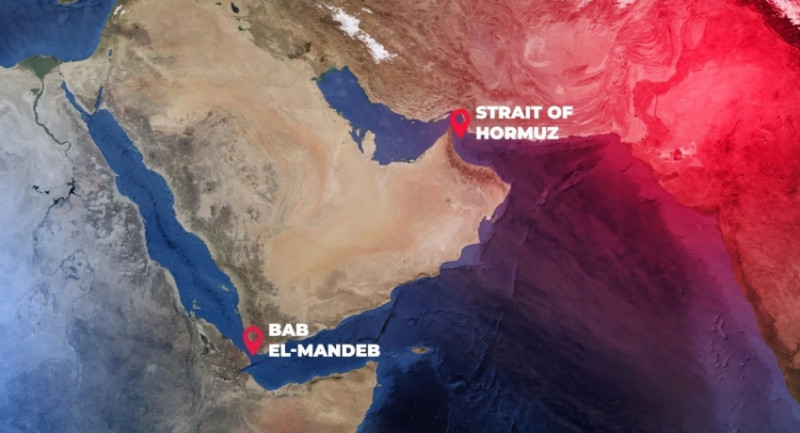
A SHARP rise in global oil prices, driven by renewed tensions in the Middle East and disruptions along the Strait of Hormuz, is placing mounting strain on Malaysia’s fiscal position, with analysts warning that subsidy commitments could derail deficit targets and complicate Budget 2026 planning.
The fallout from stalled negotiations between the United States and Iran has heightened risks to global energy flows, with direct implications for Malaysia’s energy security, fiscal stability and cost of living.
In the near term, continued uncertainty surrounding the Strait of Hormuz is expected to keep oil prices elevated, increasing the cost of energy imports for Malaysia despite its status as a hydrocarbon producer.
The country remains significantly reliant on supplies from West Asia, leaving it exposed to external shocks.
Global Asia Consulting senior consultant Samirul Ariff Othman told Berita Harian that the failure of US-Iran peace talks sustains the risk of supply disruptions along the key maritime route.
"When oil is around US$100, the fuel subsidy bill can increase to about RM4 billion per month," he said.
He added that even if physical flows are not entirely halted, logistical risks are rising as tankers begin avoiding the area, driving up insurance premiums, shipping costs and transit times.
"This means war-risk insurance premiums, shipping costs, transit times and inventory financing costs could continue to increase even if physical flows are not completely disrupted," he said.
The fiscal implications are becoming increasingly pronounced. While domestic fuel prices remain capped through subsidy mechanisms, the widening gap between global and controlled prices is being absorbed by the government at growing cost.
Official estimates indicate that fuel subsidies could rise from about RM3 billion per month at oil prices of US$90 per barrel to roughly RM4 billion when prices reach US$100, underscoring the sensitivity of public finances to energy markets.
Associate Professor Dr Irwan Shah Zainal Abidin of Universiti Utara Malaysia warned that broader macroeconomic risks are also emerging as global conditions deteriorate.
"The phenomenon of stagflation is expected to occur, and if this war continues, the risk of a full global economic recession cannot be ruled out," he said.
However, he maintained that Malaysia is not immediately at risk of entering stagflation or recession, citing underlying economic strengths and policy frameworks.
"The risk of stagflation and economic recession for Malaysia at this time is not expected to occur," he added.
Malaysia’s position as an exporter of oil and liquefied natural gas, along with its domestic economic base and policy direction under the MADANI framework, provides a degree of insulation against external shocks.
Nevertheless, rising import costs and spillover effects on transport, logistics and industrial inputs are beginning to filter through the economy.
Particular concern is focused on energy supply sufficiency beyond mid-2026, with warnings that existing reserves may face increasing strain if disruptions persist beyond June.
At the same time, the fiscal outlook is under pressure from surging subsidy commitments.
Estimates suggest that targeted schemes such as BUDI95 have expanded sharply in scale, reflecting the growing burden on public finances.
"This will, to some extent, affect the country’s fiscal position as well as the targets for Budget 2026 and planning for Budget 2027," Irwan Shah said.
The government’s fiscal framework currently targets a deficit of 3.5 per cent of gross domestic product for 2026, with projected revenue of RM343.1 billion.
However, analysts believe these assumptions may need to be revisited if energy prices remain elevated and subsidy demands continue to climb. - April 15, 2026