
THE arrest of five Royal Malaysian Air Force (RMAF) officers in connection with an alleged drug-smuggling operation has raised serious questions about the integrity of the military and the security of its own facilities.
What sounds like a plot from a Hollywood crime thriller is now the subject of a police investigation, with military air transport facilities allegedly used to move drugs from Peninsular Malaysia to Sabah before they were channelled to overseas markets.
But beyond the drugs seized and the arrests made, the case raises a more troubling question: if those entrusted with protecting the country are suspected of exploiting military assets for criminal activities, who can the public trust?
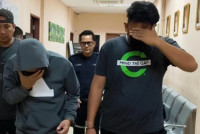
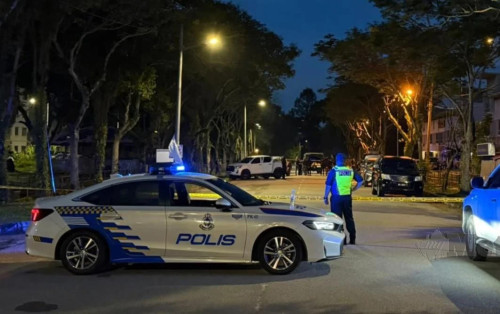
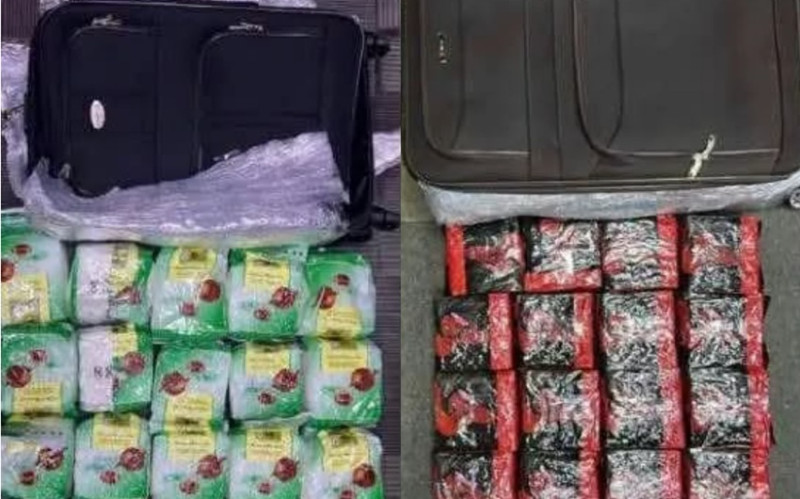
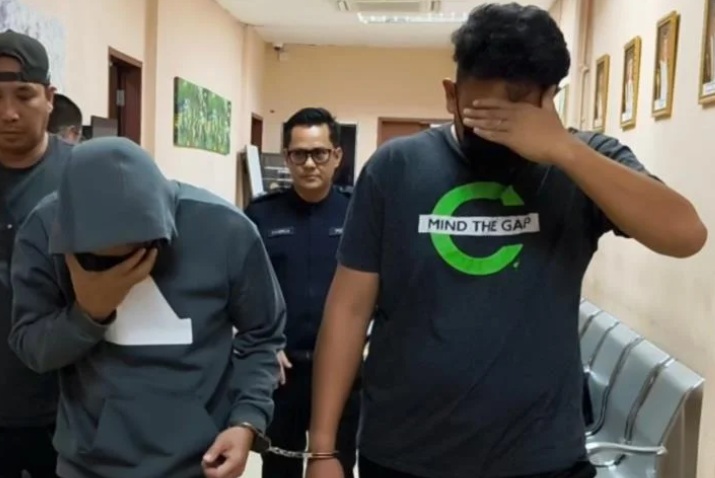
Police have arrested 11 people, including five RMAF officers and six civilians, in operations around the Klang Valley and Labuan on November 17.
The seizures included 96.64kg of drugs worth RM4.83 million, as well as 6.98kg of liquid chemical substances.
Initial investigations suggest the syndicate had been operating since July, allegedly using military air transport facilities to move drugs to Sabah for distribution to international markets, including the Philippines and Indonesia.
The allegations point to something more serious than an ordinary smuggling operation. They suggest that facilities, access and resources meant for national defence may have been exploited for criminal gain.
Military personnel are entrusted with sensitive information, restricted facilities and government assets.
Their responsibilities demand a level of discipline and integrity that cannot be compromised for personal benefit.
But there is another question that investigators cannot afford to overlook: could an operation of this nature have been carried out without someone overseeing or coordinating it at a higher level?
Moving large quantities of drugs through military transport facilities over a period of months would require investigators to examine more than the individuals who handled the consignments.
They must establish who arranged the movements, who had access to the relevant facilities and whether anyone in a supervisory or command position knew of, facilitated or deliberately ignored the activity.
It would be premature to conclude that senior officers were involved.
But equally, the investigation should not stop at the lowest-ranking personnel if the evidence points to a wider chain of involvement.
Was this the work of a handful of individuals, or did the syndicate have access to a wider network within the military?
Who called the shots, and who made it possible for the operation to continue?
These questions cannot be brushed aside.
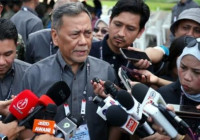
Defence analyst Zaki Salleh has stressed that no member of the security forces should be allowed to hide behind rank, position or uniform if found guilty of a crime.
“The principle is simple: nobody is above the law if found guilty,” he said, calling for firm, transparent and comprehensive action.
Zaki also cautioned against allowing the alleged misconduct of a few personnel to undermine the reputation of the entire RMAF.
He noted that routine security checks at Subang Air Base had played an important role in uncovering the suspicious luggage.
That distinction is important. The actions of those under investigation should not erase the service and sacrifices of thousands of military personnel who continue to carry out their duties with integrity.
However, the discovery of the drugs should not become a reason for the institution to declare its safeguards effective and move on.
RMAF chief General Tan Sri Muhamad Norazlan Aris disclosed that five bags and a box without security-screening stickers were found at the Air Movement Section of Subang Air Base on November 17.
He said an officer linked to the luggage was allegedly attempting to mix it with other bags that had already passed through the scanning process.
Further checks uncovered methamphetamine, amphetamine and MDMA.
The circumstances surrounding the discovery warrant closer scrutiny.
Investigators need to determine how the luggage entered the facility, who had access to it and whether security procedures were deliberately circumvented.
The probe must also establish whether those arrested acted independently or were part of a wider network involving people with access to military logistics and transport arrangements.
It would be insufficient to focus only on those who physically handled the drugs. Anyone found to have facilitated the operation, abused their position or helped the syndicate evade security checks must face the consequences, regardless of rank.
The Defence Ministry and RMAF must also examine whether existing safeguards are adequate.
Access to military facilities, cargo-screening procedures and the movement of goods through military transport channels all warrant scrutiny.
There must be no protection based on rank or position, and the investigation must be allowed to proceed without interference.
The military is entrusted with defending the country, not providing a means for criminal syndicates to move their merchandise.
Its aircraft, facilities and other assets belong to the state and are maintained with public funds.
Any proven misuse of those resources for drug trafficking would amount to a serious betrayal of that trust.
Those arrested remain entitled to due process, and the allegations must be established through investigation and evidence.
But the public is entitled to demand answers about how such an operation could allegedly take place within a military environment, and whether those responsible for overseeing the system knew anything about it.
National security is not just about defending the country’s borders against external threats. It also depends on the integrity of those entrusted to protect them.
When the very people entrusted with that responsibility are accused of helping criminals exploit the country’s own security infrastructure, the damage extends far beyond the drugs seized.
It strikes at public confidence in the institution itself. Restoring that confidence will require more than assurances.
It will require a full accounting of what happened, including whether the operation had protection or involvement from higher up, and accountability for everyone found responsible. – November 20, 2026