
.png)
A CURIOUS thing happened after Tan Sri Muhyiddin Yassin resigned on August 16 and became the caretaker prime minister, during which period, he should not make any major decisions, but wait for the next prime minister to do so.
But that was not to be. He made a major decision to roll back movement controls, relaxing the standard operating procedures for those who have been fully vaccinated allowing them to dine in, and other associated measures. These were announced on August 19, to take effect the following day, when the palace announced that it had picked Datuk Seri Ismail Sabri Yaakob as the new prime minister.
What was the great hurry for Muhyiddin? Did he want to steal a little bit of thunder in his last days as prime minister? He should have let his successor make the decision, considering that his handling of Covid-19 was one of the reasons MPs lost confidence in his leadership.
Muhyiddin’s decision to lift restrictions at a time when the number of new infections stood at or around record levels, with deaths exceeding 200 a day and hospitals under stress and strain from too many serious cases, was roundly criticised.
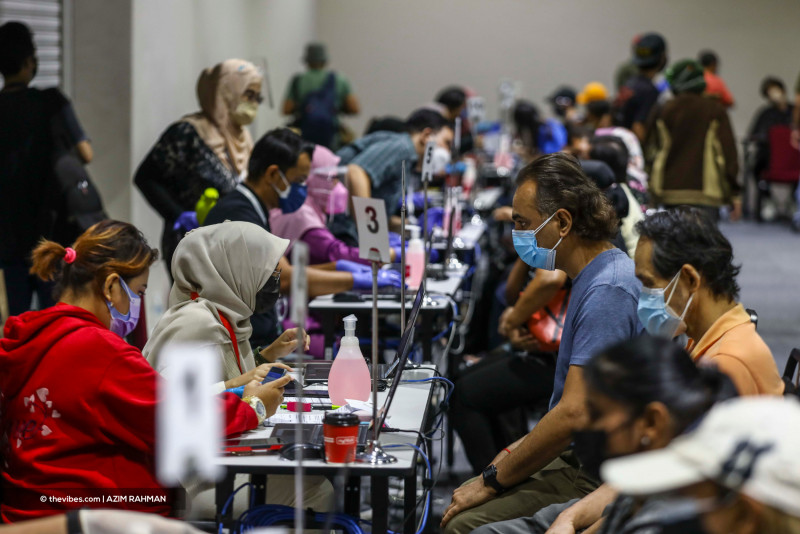
Despite the lifting of restrictions, many food operators did not rejoice; some joined in the criticism against the move. It was rushed – not all workers have been fully vaccinated. No one rushed to reopen their businesses.
The other thing to have considered is that a large proportion of the population had not been vaccinated as of August 18. The total for Malaysia was 37.5% of the population. While the chances of vaccinated individuals getting Covid-19 are reduced, they can still catch the disease.
And since they don’t live in bubbles where everyone is vaccinated, they can potentially infect others who have not received the jab. Thus, it can be reasonably argued that opening up can be delayed a bit more until the rate of fully vaccinated individuals reaches 60% to 70% of the population, such as in the United Kingdom.
At that point, given the observation that those who are vaccinated are very much unlikely to experience severe symptoms and have much lower mortality rates, it would be right to lift restrictions – without endangering lives.
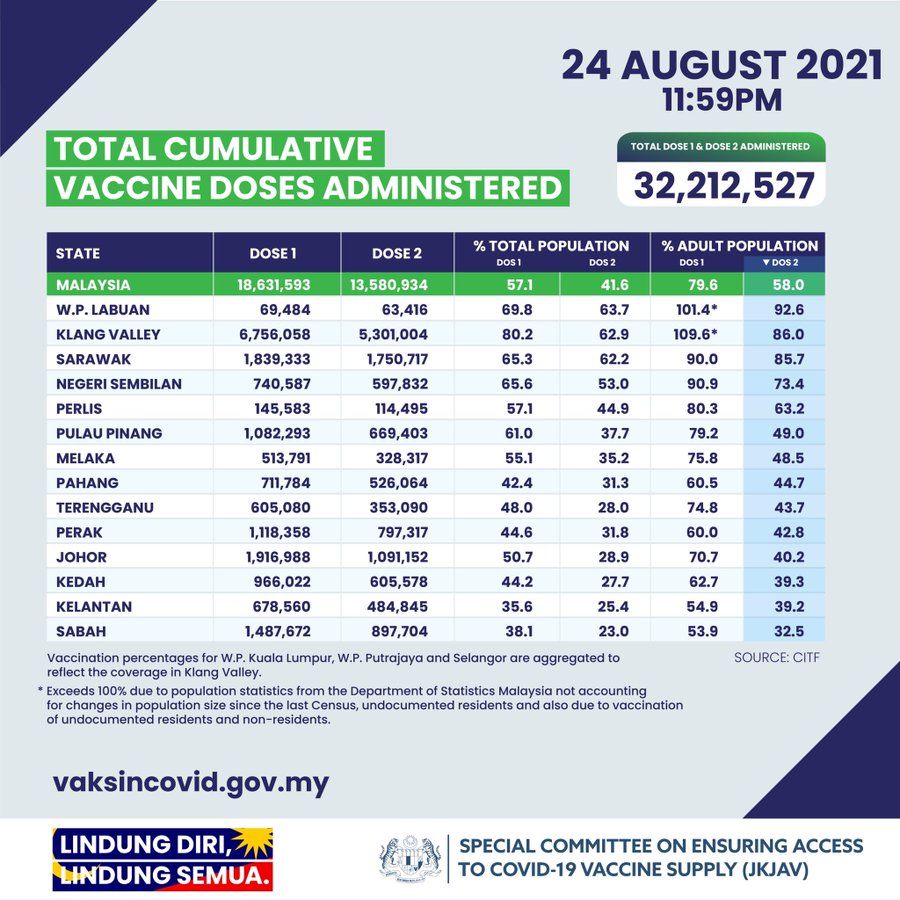
The table above shows the official figures for Covid-19 vaccination. Malaysia, after a very late start, has made rapid progress, with those who are fully vaccinated accounting for 41.6% of the population.
It’s good to note that in the Klang Valley, basically Selangor and Kuala Lumpur, the rate is 62.9%, but this rapidly drops off with seven states having rates of around or less than 30%. After the earlier ravages that saw large infection numbers in Selangor and Kuala Lumpur, they are tapering off as these areas’ vaccination rates have increased tremendously.
Early signs also indicate that the pressure on hospitals in these areas is easing, but in other states, where vaccinations have been slower and the virulent Delta variant is now taking firm root, the numbers are burgeoning, a clear indication that the time to open up is not now.
In these places, a premature reopening is likely to result in tremendous pressure on hospitals as the numbers spiral upwards, and serious cases and deaths increase in tandem.
It may be OK to open up in Kuala Lumpur and Selangor, but not so in other states such as Perak, Johor and Sabah, where there is likely to be a new wave of major infections.
Going by the experiences of other countries like the UK and the United States, the vaccination rate should be over 60% and approaching 70% before more and more economic sectors reopen. Otherwise, we risk new outbreaks, as is happening in some parts of the US that have low vaccination rates.
Thus, the announcement that the reopening of schools is postponed to October, when it will be done in stages, is most welcome. Even so, this must proceed with caution, and will have to depend on the prevailing situation then and where the schools are located.
Remember, almost all schoolchildren have not been vaccinated, as above-18s are the target. Therefore, they are particularly susceptible to infection and at considerable risk if there are breakthrough cases in schools, which can spread rapidly.
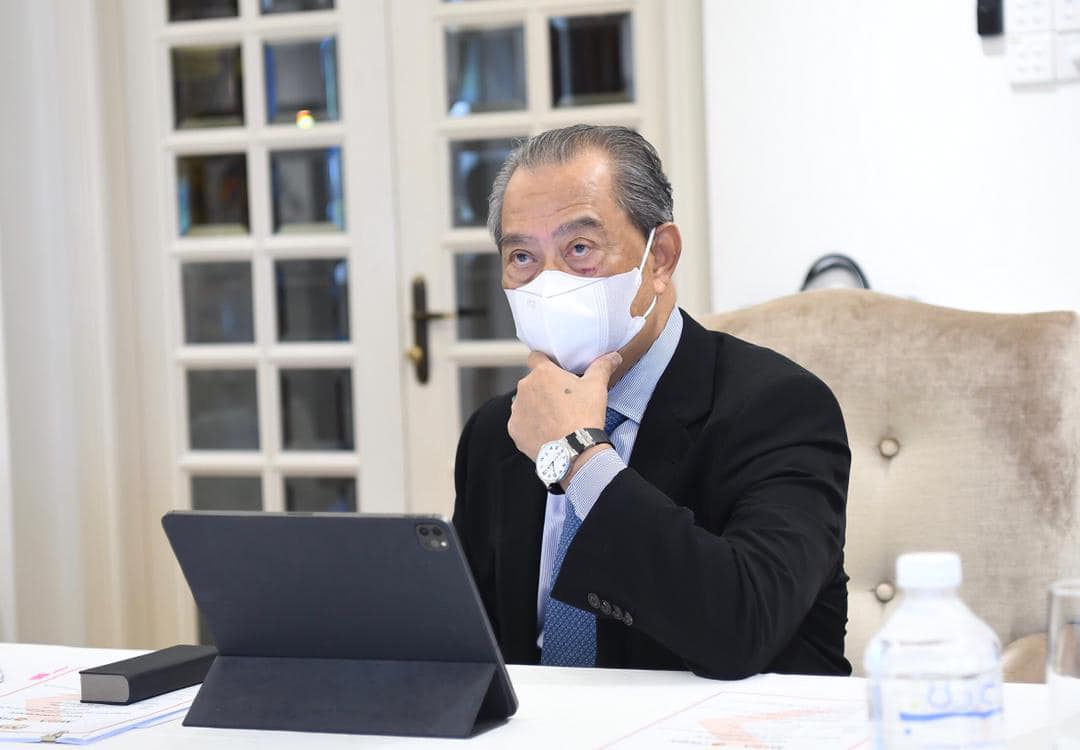
With the besieged and beleaguered Muhyiddin now gone, and with him any need to politicise Covid-19, one must hope that the handling of the virus in the future improves. Prime Minister Ismail Sabri has none of the strictures that constrained Muhyiddin.
He should keep to his promise made in his “acceptance” speech to listen to experts when it comes to handling Covid-19. That is necessary for an improvement here, and should include a willingness to consider all views and studies.
The current situation is not encouraging at all – new cases confirmed as of noon yesterday total 22,642, with Selangor topping the list at 6,325, followed by Sabah (3,224), Kedah (2,279), Johor (1,832) and Sarawak (1,667).
New highs were recorded in Kedah and Johor, as well as Kelantan (1,424) and Perak (1,390), indicating that things will get worse before they get better. It’s not the time to let our guard down. – The Vibes, August 26, 2021
P. Gunasegaram says let’s make change a positive one in dealing with Covid-19. He is chief executive of research and advocacy unit Sekhar Institute and editorial consultant of The Vibes