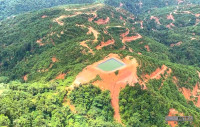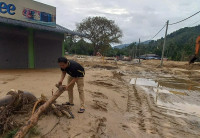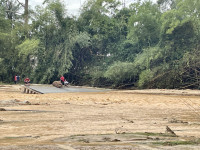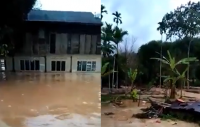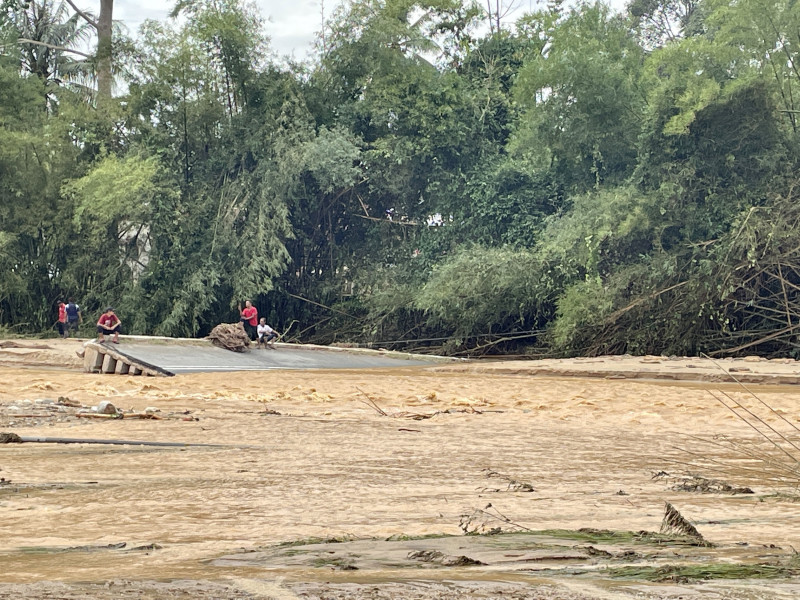
THE floods and devastation at Kg Iboi in Baling on July 5, 2022 are the result of mismanagement of the soil on the hillslopes, specifically the higher portions of Gunung Inas.
Prior to the tragedy, the activities on the hills followed a familiar pattern. First, the large trees were felled to harvest timber. Then, using heavy machines, terraces were built around the hillsides.
When terraces are ready, trees (e.g. durian, rubber, or other crop trees) are set for planting. Trees will do well and give good returns later if adequate fertilisation and care are given.
However, the soil on which most of these activities take place will not take kindly to the abuses and stresses associated with this kind of development. Though tree growth and development are usually not adversely affected, the soil’s stability and vulnerability to degradation and erosion will be greatly increased.
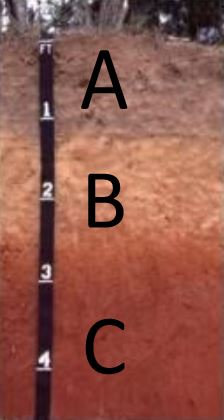
Soil that has remained undisturbed over a long period of time, exists in layers as depicted above. The thickness and properties of each layer vary.
In the humid tropics, there are a number of significant differences between the soil’s top layer (A) and the layers below it (B, C etc).
The top layer usually has a good distribution of various soil components of sand, silt, clay, and organic matter.
The soil components, especially organic matter and clay, interact with each other and with plant and tree roots, microbes, and other soil organisms to create stable soil aggregates of various sizes and shapes.
The arrangement of these aggregates, unique to every soil, creates large and small pores within the soil. Lower layers normally contain a much lower amount of organic matter, but a large amount of clay. Microbial and faunal activity in B occurs at a much lower rate. Thus, the soils in the lower layers (B, C, etc) are compact and much less stable than that in A.
The soil on the terraces is not the original top layer of undisturbed forest soil. The soil structure is not good and the aggregates, if there are any, are not stable in water.
The removal of the original trees in both the recent and distant past has severely disturbed that top layer (A). The recent terracing work has ensured the complete removal of that good, stable surface soil layer.
What is left is the “subsoil” (e.g. B or C), which is usually orange, yellow or light brown in colour, and has a very high clay content but very low organic matter content.
The subsoil (e.g. B, C), with low organic matter, has a very poor soil structure and is very unstable in water.
During rain and immediately after, it will disperse into fine individual clay particles.These dispersed particles are easily carried and transported by water flowing downhill.
Once it settles downstream, it often manifests as a sticky mud because of its very high clay content. The much finer particles may travel very far.
This probably explains why the Iboi tragedy was followed by a major disruption in fresh water supply to the whole state of Penang.
Apparently, the water processing plants there had to be shut down due to clogging by those fine clay particles. – The Vibes, July 13, 2022
Ghulam M. Hashim was a former soil scientist with Mardi, a past president of the Malaysian Society of Soil Science, author of two books and several book chapters on soil science