.jpg)
KUALA LUMPUR – You know that feeling when your car breaks down, and you have to send it to the workshop for days, having to rely on public transport or just being immobile? That’s what an injury feels like for an athlete. Demotivating, frustrating and just itching to get back on the road, yet not being able to.
The mental struggle and strength of an athlete going through a major injury is often overlooked, and it is easy for spectators to just say ‘what a shame, maybe next season.’ However, to the athlete, it’s not just another season missed or just another injury. It is an undocumented competition both physically and mentally.
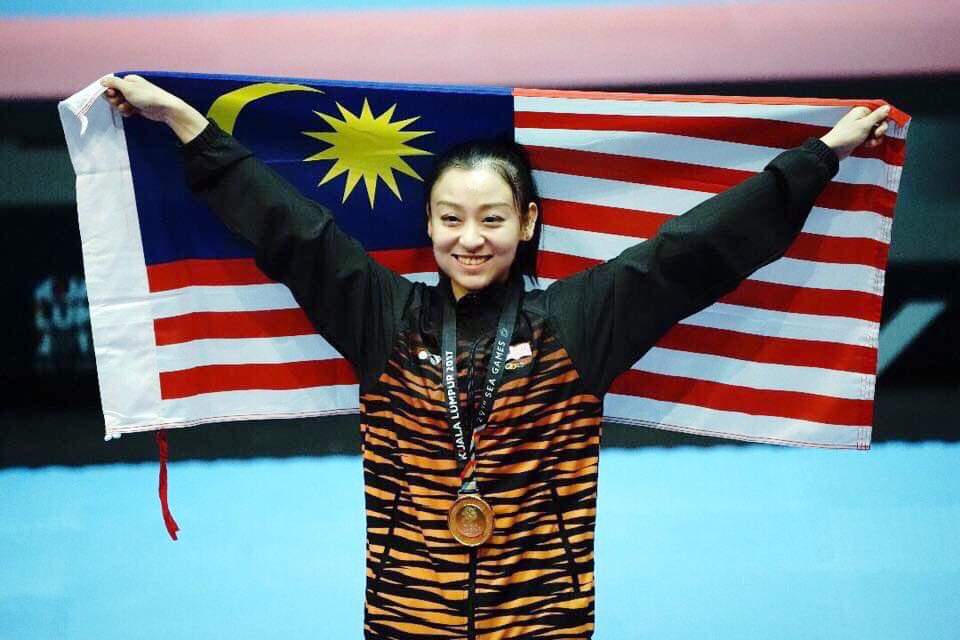
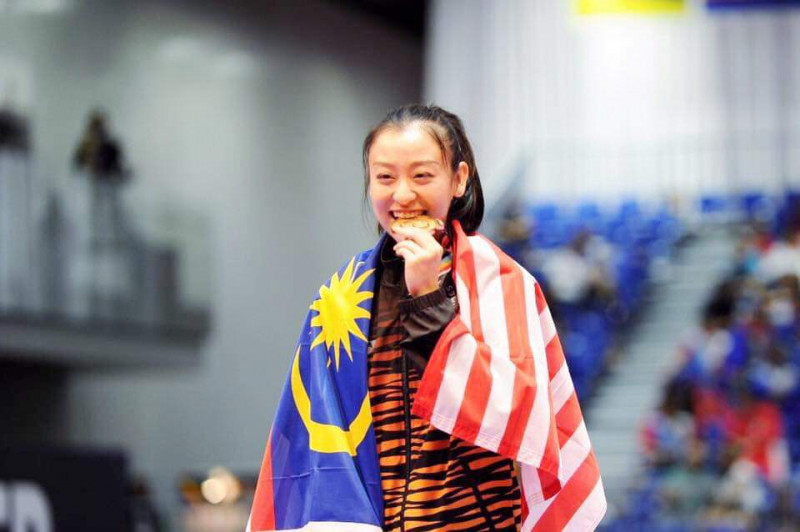
Malaysian taekwondo poomsae – the performing art form of taekwondo that showcases a set of sequenced movements – practitioner Sara Yap, who won Malaysia’s first bronze medal in the 2018 Asian Games, shares her experience through her ankle injury that left her bedridden for a month with The Vibes.
Sara shared that more often than not, major injuries that put athletes out of their training and regular schedule risks them losing a sense of identity. “You tend to get side-tracked and a loss of identity as an athlete as you are staying there not doing anything while you still have goals you want to achieve.
“You really start questioning yourself.” The athlete is now put on the side-line and instead of attending a competition as a competitor; he/she is now the audience; aching and itching to compete.
For Sara, it was important for her to keep reminding herself of her identity as an athlete and what her goals were. “It was the really small goals that I had in mind during that time. It wasn’t the big goals of going to the Asian Games; it was more of if I could move my foot, or if I could stand today, it would be great. “I had to really focus on the little goals, and that helped me get through being injured.”
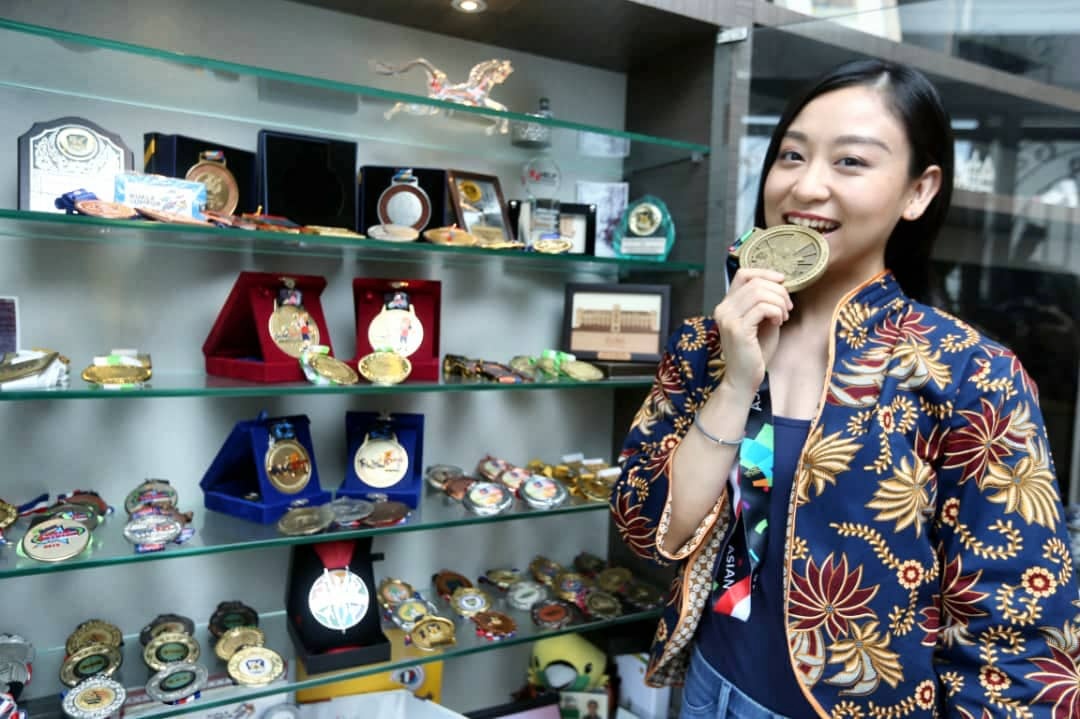
While an injury removes an athlete from competing within a sport, it does not devalue the athlete.
“Even with an injury, you’re still an athlete. You’re still trying to achieve goals of standing up, learning to walk again and trying to get back on track,” says Sara.
Sara’s tenacity is just one of many examples of how an athletes’ mental strength goes beyond just training and competing, but even more crucial when an athlete has a major injury. When asked about the uncertainties of the sport and its lifespan, Sara shared that, “I just learned how to live with it and see how it goes year by year; taking one step at a time.
“As long as I feel like I’m not done with something, and I’m not ready to move on it, I will still go on if I feel that I can and that my body can take it.” – The Vibes, October 20, 2020


.jpg)