A CEASEFIRE agreement between Israel and Lebanon has emerged as the most significant diplomatic development in months of escalating conflict across the Middle East, with Washington presenting the deal as a crucial step towards securing a broader settlement involving Iran.
The Trump administration announced on Wednesday that Israel and Lebanon had agreed to implement a cessation of hostilities following negotiations in Washington, offering renewed momentum to efforts aimed at ending the wider conflict that has destabilised the region since February.
Under the agreement, the ceasefire is contingent upon a complete halt to military activity by the Iran-aligned Hezbollah movement and the withdrawal of all Hezbollah operatives from the South Litani sector, according to a joint statement released by the US State Department.
Reuters cited on Thursday that the breakthrough carries particular significance because Tehran has repeatedly linked any future agreement with Washington to an end to fighting in Lebanon, where Israel launched military operations against Hezbollah earlier this year.
Despite the diplomatic progress, the security situation across the region remains volatile.
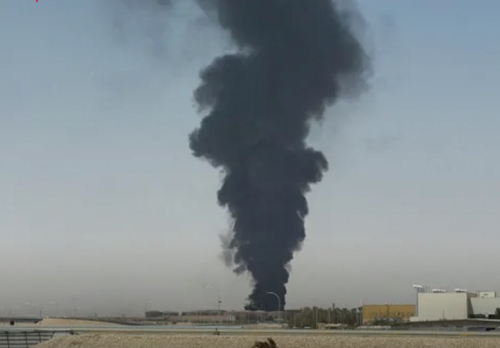
On the same day the ceasefire was announced, Kuwait reported significant damage following an Iranian missile and drone attack that struck airport facilities and diplomatic compounds, killing one person and injuring more than 60 others.
The attack temporarily forced the suspension of operations at Kuwait International Airport before flights later resumed after emergency safety measures were implemented.
Iran's Revolutionary Guards denied targeting Kuwait's airport, claiming the damage was caused by American interceptor missiles that missed their intended targets.
The United States military rejected that explanation, insisting that Iranian drones had deliberately targeted the airport.
The latest attacks further strained an already fragile ceasefire between the United States, Israel and Iran, contributing to a rise in global oil prices as concerns persisted over the continued disruption of shipping through the strategically vital Strait of Hormuz.
The waterway, which previously handled around one-fifth of global oil and liquefied natural gas shipments, remains only partially operational more than three months after military action against Iran began.
Meanwhile, the United States Central Command said it had conducted a fresh round of what it described as "defensive strikes" against missile launch sites and maritime assets in southern Iran, including operations near Qeshm Island after alleged Iranian attempts to attack regional targets and disrupt maritime security.
The conflict has evolved into a complex regional confrontation involving multiple fronts, with Iran, Israel and the United States all seeking leverage in negotiations while continuing military operations.
Iranian Foreign Minister Abbas Araqchi indicated that diplomatic channels remained open but acknowledged that progress towards a final agreement had stalled.
In addition to demanding an end to fighting in Lebanon, Tehran is seeking access to frozen oil revenues, sanctions relief for crude exports, the lifting of restrictions affecting its ports and the preservation of influence over navigation through the Strait of Hormuz.
For Washington, the primary objective remains preventing Iran from obtaining nuclear weapons.
US President Donald Trump said Tehran had agreed not to pursue a nuclear weapon and suggested that Iranian Supreme Leader Mojtaba Khamenei was involved in ongoing discussions.
Later, Trump hinted that a significant diplomatic breakthrough could occur within days.
"If it happens, it could happen over the weekend," Trump told reporters in the Oval Office, without providing further details.
He added that negotiators were attempting to separate discussions on reopening the Strait of Hormuz from the conflict in Lebanon in order to accelerate progress.
However, military activity on the ground continues to threaten diplomatic gains.
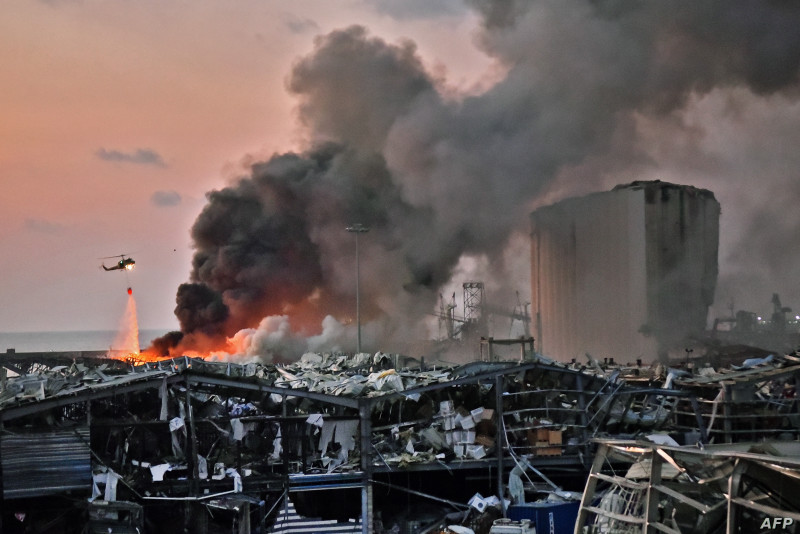
Lebanese security officials reported that Israeli drone strikes killed at least six people in southern Lebanon on Wednesday and targeted a vehicle south of Beirut. Israel, meanwhile, said it intercepted a hostile aircraft believed to have been launched by Hezbollah.
Araqchi warned that Tehran would respond forcefully if Israel expanded military operations into Beirut.
The latest tensions come amid growing evidence of disagreements between Washington and Jerusalem over the pace and direction of the conflict.
Trump recently acknowledged confronting Israeli Prime Minister Benjamin Netanyahu over continued military operations in Lebanon while broader negotiations were under way.
"At some point I said, Bibi, we got to stop this. We got to stop it," Trump said, referring to Netanyahu by his nickname.
Netanyahu, while acknowledging differences in approach, insisted the strategic partnership remained intact.
He said he and Trump occasionally had "tactical disagreements" but remained aligned on the core issues relating to Iran.
The ceasefire agreement therefore represents both a diplomatic opening and a test of whether regional powers can translate temporary military restraint into a lasting political settlement. With violence continuing across several fronts and key issues still unresolved, the coming days are likely to determine whether the Middle East moves closer to peace or returns to broader confrontation. - June 4, 2026