
PENANG has offered to become a financial hub for the Southeast Asia region (ASEAN) owing to its strengths in logistics, trade, manufacturing, services and its strategic location off the Indian Ocean.
Through air and sea, Penang can connect with the Straits of Malacca and the South China Sea, said Chief Minister Chow Kon Yeow here in underlining the state's competency and assets.
Citing figures, Chow said that Penang has recorded strong economic integration with her ASEAN neighbours and echoed the Madani Federal Government's stance of closer economic ties to compete in an increasingly uncertain global economy, besieged by a convergence of trade and regional wars.
Throwing support for the ASEAN Economic Community (AEC) to become a reality soon, Chow said that Penang is a state renowned for its rich history, vibrant culture, and dynamic economy, and it is proud to be a key partner in this endeavour.
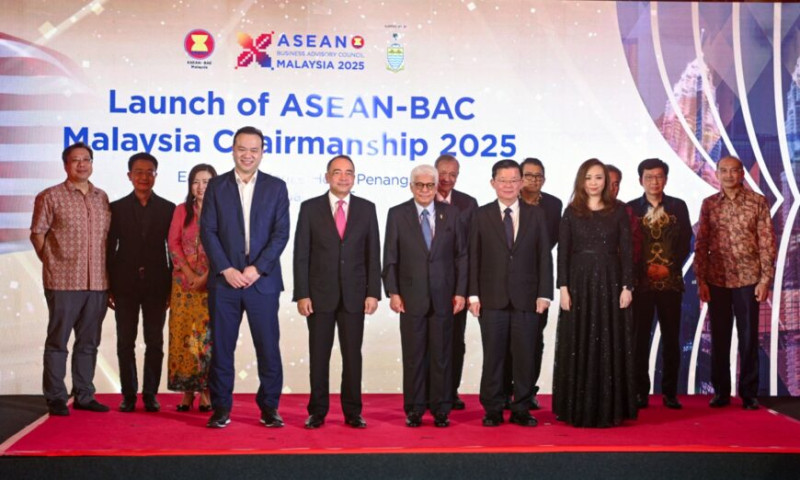
As Malaysia assumes the ASEAN-Business Advisory Council (BAC) chairmanship, Penang stands ready to leverage its strengths and contribute meaningfully to the realisation of the AEC.
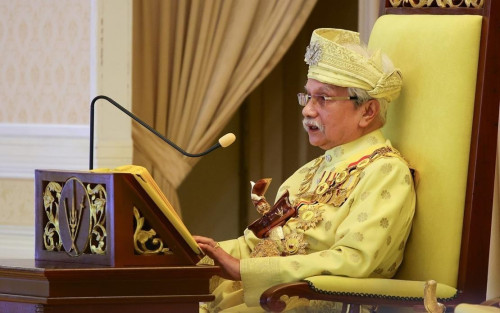
He said this when speaking at the launching of the ASEAN - BAC Malaysia chair in an event graced by the long-tenured diplomat Tun Ahmad Fuzi Abdul Razak, who is now the Yang di - Pertua Negri of Penang, his birth state.
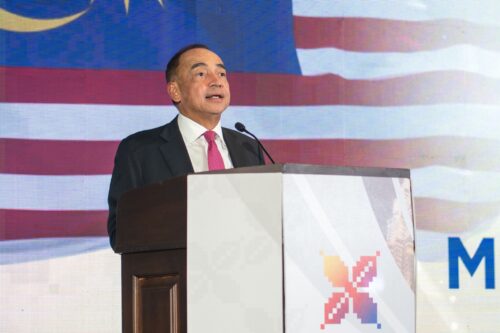
Present was ASEAN- BAC chairman Tan Sri Nazir Razak.
Chow said that Penang’s trade with ASEAN has surged significantly, with trade values more than tripling over the past decade to reach US$14.7 billion in 2023.
“It must be emphasised that Penang, a renowned hub for E&E manufacturing with a legacy spanning over half a century, plays a pivotal role in integrating the regional E&E ecosystem.
“It is a primary centre for advanced manufacturing, technology, and innovation. We are home to over 400 multinational corporations, nurturing thousands of enterprises and startups to drive economic growth and create high-value jobs,” he said.
Malaysia’s strengthened position in the global semiconductor value chain is no doubt thanks to strategic advantages such as competent local talent, world-class infrastructure, and proactive economic policies, accounting for 13% of global chip assembly testing and packaging, the majority of which is done in Penang.
On top of that, 7% of global semiconductor trade flows through Malaysia, making the country the sixth-largest exporter of semiconductors in the world.
Therefore, Chow espoused that Penang is an ideal gateway to ASEAN markets.
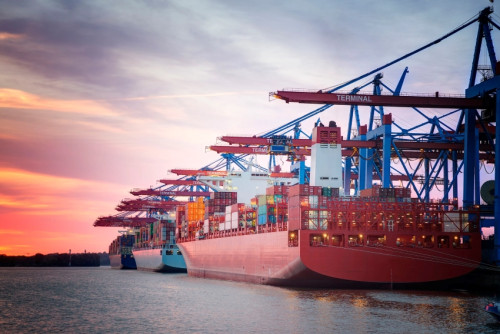
With its strategic location at the crossroads of major shipping lanes, its established maritime connectivity has significantly strengthened the trade and investment of the state and the northern region of Peninsular Malaysia.
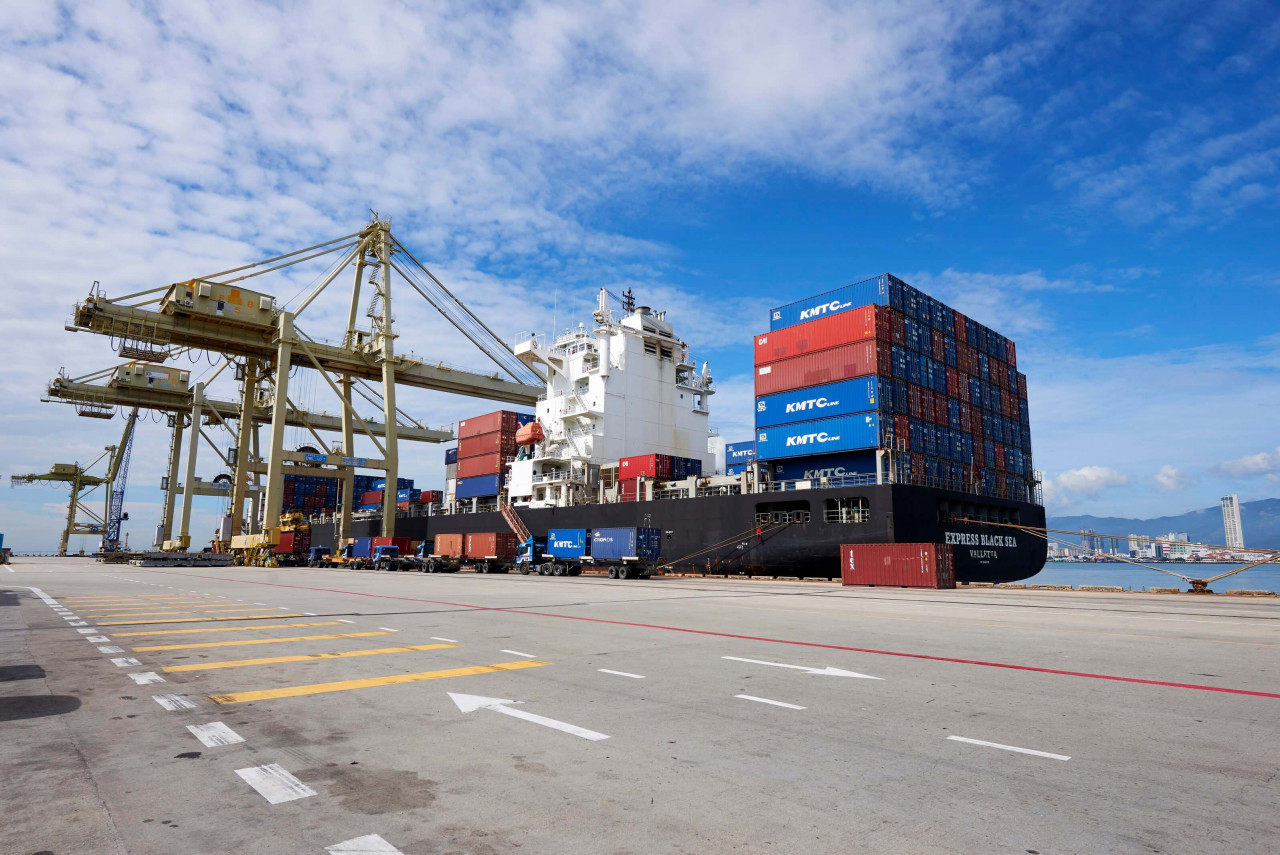
Penang stands as the northern entrance into the Straits, one of the world's busiest and most important sea lanes, it connects the Indian Ocean to the South China Sea.
This complements another vital shipping lane with high South–Singapore Strait traffic, which has made Malaysia ready to engage in various shipping activities.
Chow also spoke about the growth of air travel and logistics with Penang expanding its international airport, especially after Nikkei research forecasts a significant surge in air travel within ASEAN, projecting that major airports' combined annual passenger handling capacity in seven key countries (Thailand, Vietnam, the Philippines, Malaysia, Indonesia, Singapore, and Cambodia) will nearly double to reach 653 million people by 2030.
Penang is also considering setting up a financial centre to attract capital to support the technology, tourism, and education sectors.
It is also poised to be a prime candidate for the ASEAN Financial Centre. The financial centre can also seek financial cooperation for ASEAN+1, given that Malaysia has strong trade relations with most countries, said Chow.
For example, he said a China-ASEAN Financial Cooperation Centre can be established to support economic development through the financial sector and strengthen economic cooperation through investment and trade promotion, he added. - January 17, 2025.




.JPG)