
THERE are moments in politics when losing an election is not the greatest danger.
The greatest danger is refusing to understand why you lost it.
Negeri Sembilan has spoken.
And whether we like what it has said or not, democracy demands that we listen.
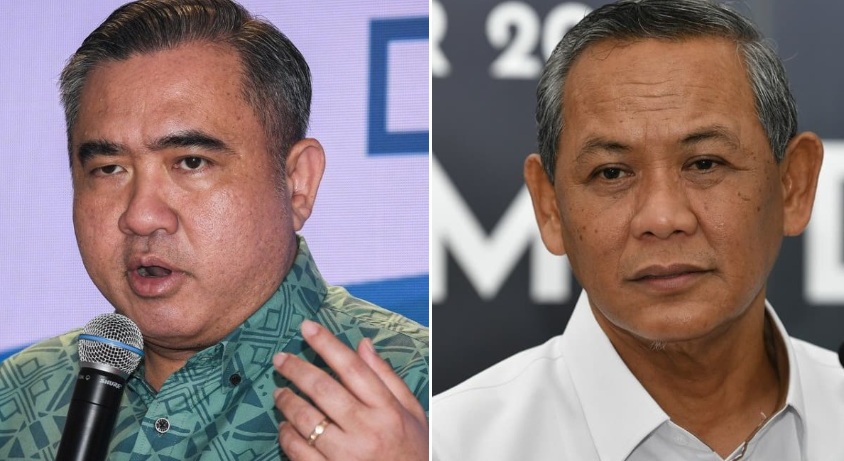
Pakatan Harapan has lost the state it governed for eight years. BN and PN together have secured 25 of the 36 seats. Anthony Loke lost Chennah. Datk Seri Aminuddin Harun lost Linggi.
These are not small political tremors.
This was an earthquake.
And blaming everything on racial politics would be comforting — but dangerously incomplete.
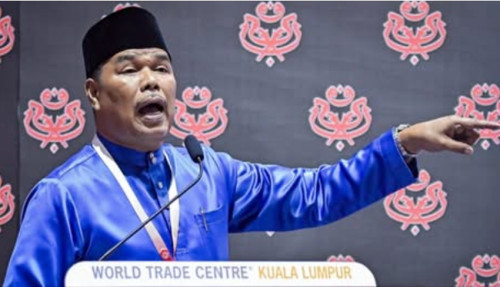
Yes, race and religion were weaponised.
Yes, Malay-Muslim consolidation played an enormous role.
Yes, some of the rhetoric during this campaign was deeply disturbing.
But leadership means looking beyond what your opponents did to you and asking the much harder question:
What did we do to ourselves?
I have supported Datuk Seri Anwar Ibrahim for a very long time.
I supported him when supporting him was neither fashionable nor convenient. It was, in fact, dangerous.
And I continue to believe that history will recognise something extraordinary about what he has achieved internationally.
Malaysia matters again.
We are respected again.
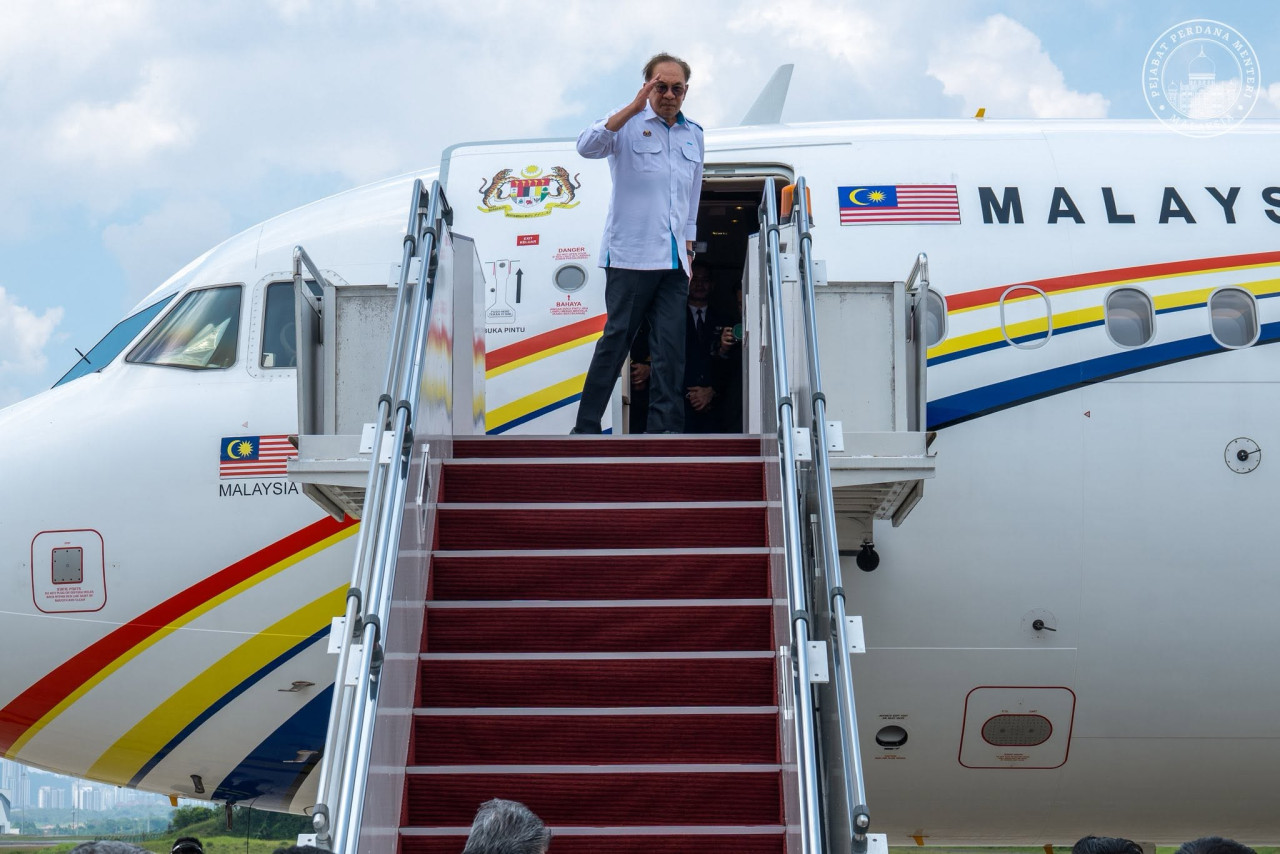
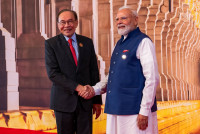
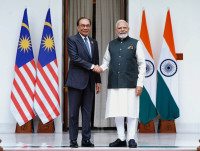
Our Prime Minister can sit with Washington, Beijing, Delhi, the Gulf, Europe and our ASEAN neighbours and Malaysia is taken seriously.
Economically, despite extraordinary global turbulence, Malaysia remains remarkably resilient.
That is not propaganda. The numbers tell us so.
But elections are not won in Washington.
They are not won in Beijing.
They are not won in Davos.
They are won in Seremban, Jempol, Tampin, Port Dickson and thousands of homes, coffee shops, kampungs and flats where Malaysians ask a much simpler question:
Is my life getting better?
And perhaps even more importantly:
Do these people understand me?
That is where this government has a problem.
The Captain Takes Responsibility
I have spent my life building businesses. Succeeding often and failing sometimes.
One thing you learn very quickly is that nobody outside your organisation cares about your organisational chart.
If the sales director fails, the CEO gets blamed.
If the communications department fails, the CEO gets blamed.
If somebody representing your company insults your customers, nobody says, “Don’t blame the chairman, it wasn’t his department.”
They blame the company.
Politics is the same.
Anwar is the captain of this team.
Loke is the captain of DAP.
And when members of their teams repeatedly say or do things which alienate Malaysians, eventually the public holds the captains responsible.
That may sometimes be unfair.
But leadership has never been about fairness.
It is about responsibility.
And there have been people within DAP whose words and actions have made Loke’s job extraordinarily difficult.

Personalities such as Nga Kor Ming and Tony Pua have, at different times, generated controversies that opponents have been delighted to amplify.
Whether every criticism against them is justified is almost beside the point.
Politics is perception.
When statements are perceived as arrogant, insensitive towards Malay institutions or dismissive of Malay anxieties, the damage travels far beyond the person making them.
Every provocative sentence becomes another bullet handed willingly to opponents.
And eventually, even a moderate leader such as Anthony Loke carries the wounds.
His defeat should therefore worry DAP profoundly.
Not because Loke is the problem.
Quite the opposite.
Because if Loke can lose, DAP must understand how serious the problem has become.
And then there are the Indians. There is another uncomfortable conversation that must finally happen.
The Indian community, my community, feels abandoned.
Not all Indians. Not everywhere.
But enough.
For decades, Malaysian Indians have been promised transformation.
Election after election, they have been told:
Support us now, and things will change tomorrow.
Tomorrow keeps moving.
The community gave enormous support to Pakatan Harapan and to Anwar.
Today, many Indians simply don’t believe anybody anymore. They feel betrayed.
That is politically dangerous.
Because anger brings people to the ballot box.
Disillusionment keeps them at home.
And something similar is happening among sections of the Chinese electorate.
That may be one of the most important lessons from Johor and Negeri Sembilan.
People do not necessarily have to cross the road and vote for your opponent to defeat you.
Sometimes they simply stop crossing the road to vote for you.
Political apathy can be more devastating than political opposition.

Do Not Blame The Voters
This is where governments so often make their greatest mistake.
They explain election defeats by explaining why voters were wrong.
They were manipulated.
They believed the misinformation.
They succumbed to racial politics.
They didn’t understand the economy.
Perhaps some did.
It doesn’t matter.
Never blame your customer for not buying your product.
Understand why they didn’t buy it.
Then make it better.
The Malaysian electorate has sent a message.
Listen to it.
There is still time.
The Government Has Achieved More Than Malaysians Realise
This is perhaps the greatest irony.
Anwar’s government has actually achieved a great deal.
Malaysia’s economy expanded 5.4% in the first quarter of this year.
International institutions have repeatedly described our economy as resilient despite global uncertainty.
Investment confidence has strengthened.
Malaysia’s diplomatic standing is probably stronger today than it has been for many years.
And all of this has happened while the world has been hit by circumstances nobody sitting in Putrajaya could reasonably have planned for.
Wars and instability in the Middle East have disrupted energy markets.
American tariffs have disrupted global trade.
Supply chains are being reorganised.

Countries everywhere are struggling to navigate an economic landscape that seems to change every few months.
Malaysia has actually navigated this remarkably well.
But here is the political reality:
If people cannot feel your success, eventually they stop believing your statistics.
That is not necessarily a failure of policy.
It is a failure of transmission.
And it is certainly a failure of communication.
This government has not communicated its achievements well enough.
It has too often communicated policy rather than purpose.
Numbers rather than dreams.
Programmes rather than possibilities.
People need to understand not merely what the government is doing.
They need to understand where we are going.
Reset. Reboot. Relaunch.
I have always believed in something very simple in business:
Never give up on a good idea. Remould it.
Redirect it.
Reboot it.
Relaunch it.
Malaysia MADANI is still a good idea.
A Malaysia built upon dignity, compassion, justice, opportunity and mutual respect is worth fighting for.
But sometimes even good ideas require new people to execute them.
That means Anwar must now look honestly at the team around him.
Not defensively.
Not emotionally.
Honestly.
Who is helping?
Who is hurting?
Who understands ordinary Malaysians?
Who is communicating?
Who is delivering?
Who has personal political agendas that don't fall in line with what the nation needs now.
And who has forgotten that holding office is a privilege rather than an entitlement?
There must be consequences for arrogance.
There must be accountability for incompetence.
There must be urgency about the Indian community. They deserve better. They deserve much more. Now, not tomorrow.
There must be genuine engagement with Malay concerns without surrendering Malaysia’s multiracial soul. They still make up 80% of the poor- and it must be addressed.
There must be renewed engagement with Chinese Malaysians who increasingly wonder whether their votes are simply taken for granted.
And above everything else, there must be humility.
Not manufactured humility.
Real humility.
The kind that says:
We heard you.
We got some things wrong.
We will fix them.
That would not make the Prime Minister weaker.
It would make him stronger.
Malaysia Needs Hope Again
Politics ultimately isn’t about politicians.
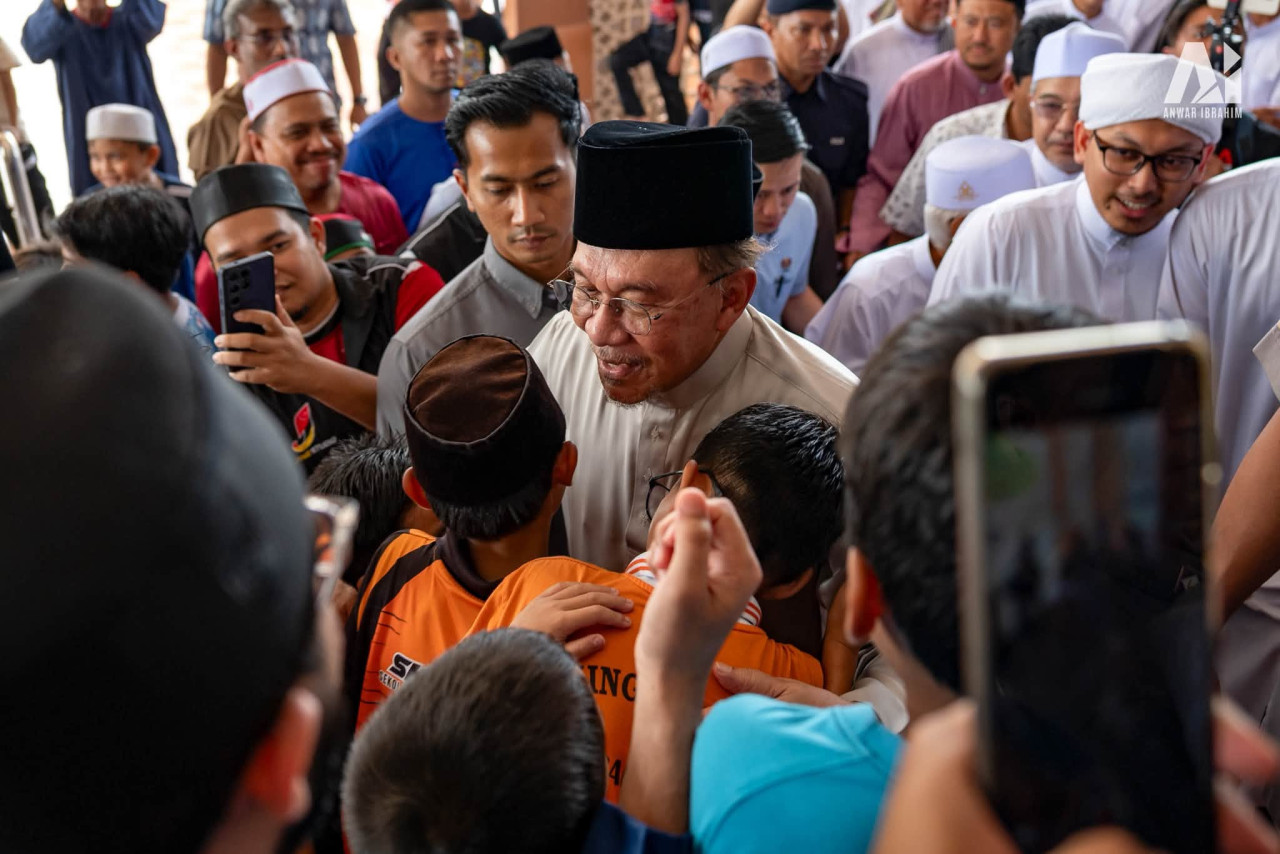
It is about whether people believe tomorrow can be better than today.
That is what worries me most about these results.
Not BN. Not PN. Not PH. Not DAP.
Apathy.
Because anger still contains hope.
You become angry because you believe something can change.
Cynicism is different.
Cynicism says nothing will change.
And after cynicism comes something even more dangerous.
Indifference.
People stop voting. Stop believing. Stop dreaming.
They simply get on with their lives and expect nothing from their country.
That would be a tragedy.
Malaysia is too extraordinary a country for that.
We have everything required to become one of the great success stories of this century.
Geography.
Resources.
Infrastructure.
Talent.
Diversity.
A strategic position between East and West that other countries would give almost anything to possess.
And today, we have a Prime Minister whose international standing gives Malaysia an extraordinary opportunity. We've not had that for a long while.
But international respect must now be translated into domestic confidence.
Economic growth must become household confidence.
Investment announcements must become jobs and opportunities.
Policy must become reality.
And leadership must become inspiration.
Negeri Sembilan was not the end of something.
It can be the beginning.
But only if those in power dare to hear what the people have just told them.
So don’t panic.
Don’t sulk.
Don’t blame the electorate. And certainly don’t retreat into political bubbles and echo chambers where everybody tells each other that everything is fine.
It isn’t.
Listen.
Learn.
Reset the team.
Deliver.
Then reboot.
Because Malaysia needs to believe again.
We need to dream again.
We need to feel that wonderful, slightly irrational thing that has driven every great nation forward:
Hope.
And leadership is ultimately about giving people a reason to hope.
The people of Negeri Sembilan have delivered their message.
The question now is whether Putrajaya has the humility — and the courage — to hear it.
I believe it can. And more importantly, for Malaysia’s sake, I believe it must. – August 2, 2026
Datuk Dr Vinod Sekhar is the publisher of The Vibes and Chairman of the Petra Group