THE government is considering an insurance and takaful scheme that would allow e-hailing drivers to pay premiums based on how far they travel and their individual risk levels, as part of efforts to bring down rising coverage costs.
Transport Minister Anthony Loke Siew Fook said the proposal was among several reforms being studied following a review by an inter-agency task force established by Bank Negara Malaysia (BNM).
The task force was set up to recommend ways to reduce insurance costs for e-hailing drivers and improve the existing insurance and takaful framework.
In a written parliamentary reply, Loke said the proposed changes included reviewing the scope and structure of coverage to better meet drivers’ needs.
The government is also considering a mechanism to share insurance risks and costs among e-hailing platform operators, drivers and passengers.
Other proposals include using telematics technology to encourage safer driving and improve data sharing between platform operators and insurers to facilitate claims verification and more accurate risk assessments.
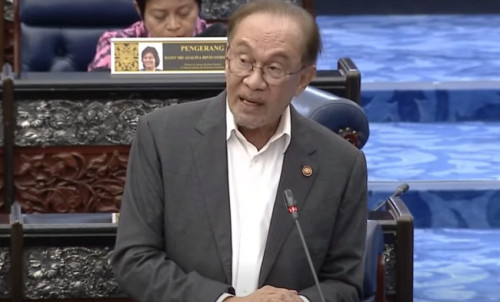
Loke was responding to Bakri MP Tan Hong Pin, who asked how the government planned to address rising e-hailing insurance and takaful premiums, improve coordination between insurers and service platforms, and strengthen drivers’ social protection.
He said the Transport Ministry was working with BNM, the Land Public Transport Agency (APAD), the Road Transport Department (JPJ), insurance and takaful industry representatives, and e-hailing driver associations to examine longer-term improvements.
“The government remains committed to adopting a whole-of-government approach and working with all stakeholders to ensure that e-hailing insurance coverage is fair, transparent and sustainable while safeguarding the welfare of drivers in the gig economy,” he said.
Loke added that motor insurance remained compulsory under Section 90(1) of the Road Transport Act 1987 to provide protection in the event of accidents involving injuries or property damage affecting drivers, passengers and third parties.
Social protection for e-hailing drivers, meanwhile, falls under the Employees’ Social Security Act 1969, the Self-Employment Social Security Act 2017 and the Gig Workers Act 2025, which are administered by the Human Resources Ministry. – October 28, 2026