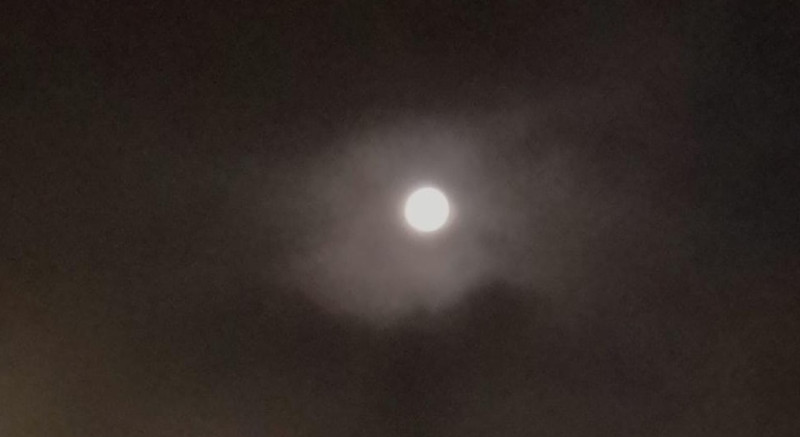
CITY lights are thinning the night sky. We may lose more than a view when the stars disappear from ordinary life.
There is a music that makes no sound.
It begins when the day falls away and, almost without thinking, we look up. The first stars are easy to miss. Then the eye adjusts, and one becomes several. The sky has not changed. Our attention has.
For centuries, the night sky was part of ordinary life. It offered direction to travellers, a measure of time, and a setting for stories and belief. People read different things in the stars. They still do. Before the sky became an object of knowledge, it was also an experience: the world continuing above us after the work of the day was done.
We have not lost that sky. We have made it harder to see.
A global atlas published in 2016 estimated that artificial skyglow makes the Milky Way invisible to more than a third of humanity. Light scattered from streets, buildings and other human activity washes out the fainter stars. The atlas is now ten years old, but the effect is familiar: the brighter the sky above a city, the fewer stars we can see. NASA describes the same process: urban light brightens the sky and obscures its fainter features.
We can count the stars that disappear from view. It is harder to say what we lose with them.
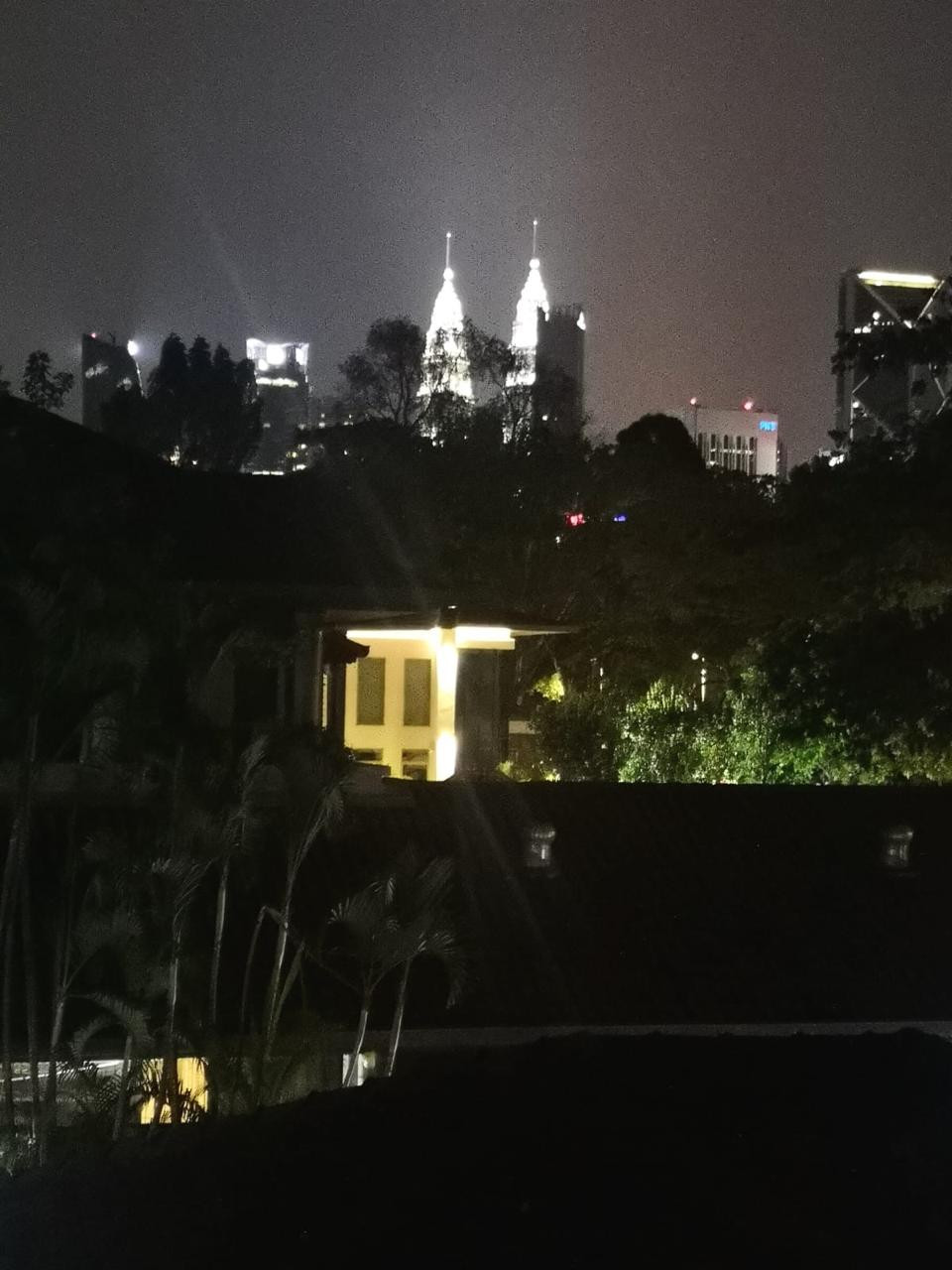
The night sky asks nothing of us. It does not ask to be understood before it can be felt. Some know the constellations by name; others look with the language of science, faith, memory or simple curiosity. The encounter can begin in the same way: with the discovery that the world extends beyond the reach of our attention.
Perhaps that is the music. Not a tune, not a message, not even a feeling we can name. More like a quiet change in scale. For a moment, the day’s demands are no longer the whole horizon. The mind makes room. We become a little less occupied by ourselves.
Darkness does not make everyone feel the same thing. Some see a field of study; others, a reminder of a story told long ago; some simply enjoy the cool air after a hot day. The sky can hold all these ways of looking without asking them to agree. It offers a common view without prescribing a common meaning.
There is a spiritual quality in that openness, though it belongs to no single religion. The stars have served as signs of order, creation, navigation and wonder. In a 1997 resolution, the International Astronomical Union called the night sky “the heritage of all humanity” and urged that it be preserved. The idea reaches beyond astronomy: some inheritances are shared even when people understand them in different ways.
Darkness is not emptiness. It is a condition for seeing. The moon’s edge sharpens. A familiar roofline becomes a silhouette. The stars return to the conversation.
The question of light, then, is not only what we can see in the sky. It is what kind of night we are making for one another.
A light at a doorway can guide a visitor. Street lighting can help someone cross safely or find the way home. Yet light can spill beyond the path, into windows, trees and the sky itself. The intention may be to welcome or protect; the result can still be a brighter sky and a thinner night.
The practical question is how to light the ground without filling the sky. A street can be illuminated where people walk, rather than sending brightness in every direction. A sign can be clear without turning the night into a permanent display. A building can be visible without making the whole sky its backdrop. These are choices in design, maintenance and public policy.
They do not require a city to choose between safety and stars. The American Astronomical Society’s lighting principles call for outdoor light to be useful, targeted, controlled and no brighter than needed.
The point is to remember that illumination travels beyond the place it was meant to reach. Decisions about where light belongs shape what remains visible, and whether the night retains any depth.
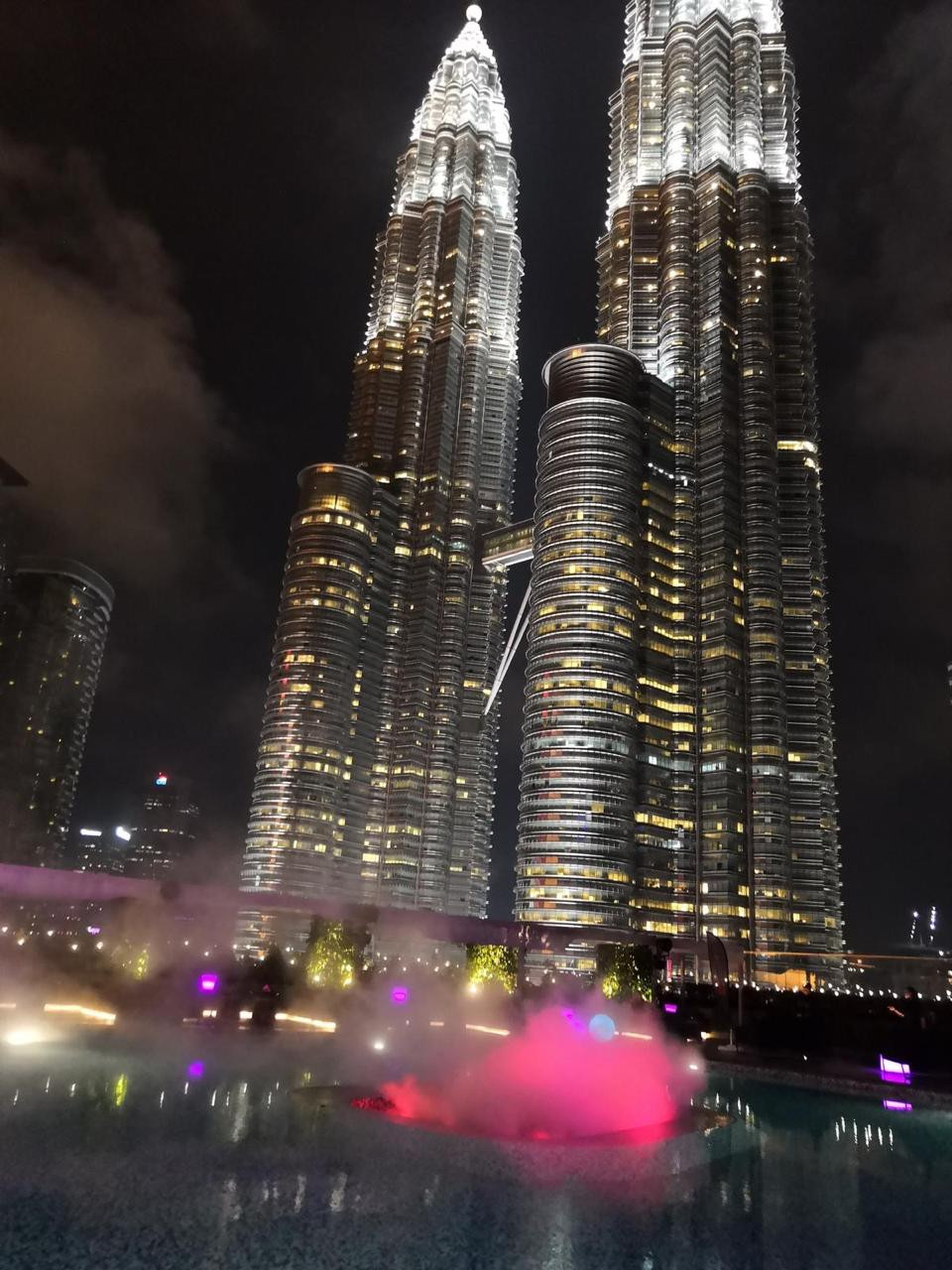
We often protect heritage by placing it behind glass or drawing a boundary around a landscape. The sky resists that kind of care. It is above everyone, and still easy to diminish. No gate closes. No notice is posted. The stars simply become harder to find.
We can learn the name of the Milky Way without ever seeing it. A photograph can show its sweep across the dark; a lesson can explain our place within it. These things matter. Yet knowledge and encounter are not the same. There is a difference between being told that the universe is vast and standing beneath a sky that quietly makes the claim for itself.
To look up is not to receive an answer. It may be better than that. The sky gives us a little distance from our own certainty. It reminds us that attention is not the same as possession, and that some things remain meaningful without becoming useful to us.
Every generation inherits a night, though each may see it differently. We can leave it crowded with light, or leave openings in it: above a park, a quiet road, a schoolyard, a courtyard where people can sit without needing to be anywhere else.
The music will not announce itself. There will be no moment when the sky begins to sing. Perhaps it is enough that, now and then, we fall quiet beneath it. The stars appear. For a little while, the mind follows them farther than the day can reach.
Pascal H. Grégoire is a career diplomat and essayist who served as Belgium's Ambassador to Malaysia from 2018 to 2022. He is the editor of Contre-Jour and currently the ambassador of Belgium to the Kingdom of Saudi Arabia.