THE Bahrain Grand Prix is coming to Malaysia. Yes, Bahrain.
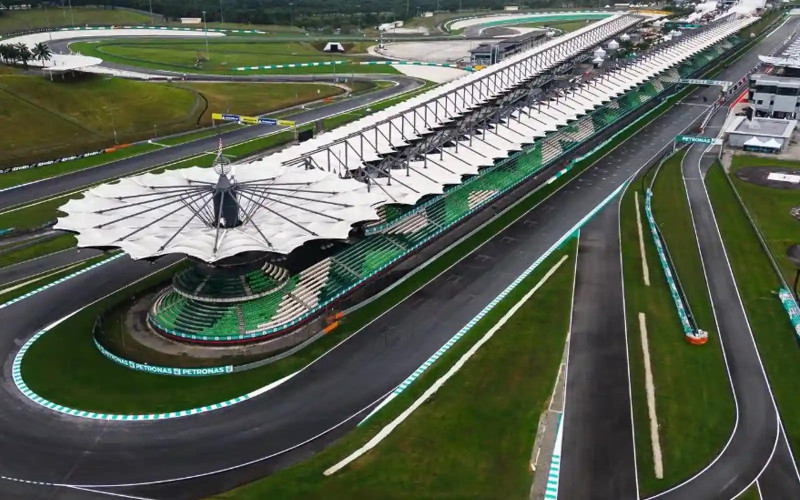
Nine years after Malaysia decided Formula One was no longer worth the money, the cars will be back at Sepang in October — not for a Malaysian Grand Prix, but for the Gulf Air Bahrain Grand Prix in Malaysia.
It is hard not to enjoy the oddity of it. Bahrain keeps the name. Malaysia gets the race.
And Sepang, which Formula One left in 2017, suddenly finds itself useful again because events thousands of kilometres away have scrambled the calendar.
A few weeks earlier, Formula One had been at Spa-Francorchamps in Belgium.
That is another circuit with a complicated relationship with the modern sport: loved by drivers and fans, expensive to maintain, periodically forced to justify itself to people with spreadsheets.
I know both places, and the contrast is irresistible.
Sepang opened in 1999, when Malaysia was in one of its more confident moods. KLIA had just opened, Putrajaya was taking shape, and Kuala Lumpur suddenly had the Petronas Towers on its skyline.
Then came a Formula One circuit next to the airport. Malaysia was not whispering.
It was a time when Malaysia liked big projects and was not particularly shy about them.
They were meant to work, of course, but they were also meant to be seen. Tun Mahathir’s Malaysia had no particular interest in entering the twenty-first century quietly.
Then reality became less glamorous. Formula One hosting costs were high, audiences had weakened, Singapore had arrived with a night race just down the road, and in 2017 Malaysia walked away.
Fair enough. Talk of a permanent return has resurfaced since, but so have the questions about what it would cost.
And now Formula One is coming back anyway. There is something rather satisfying about that.
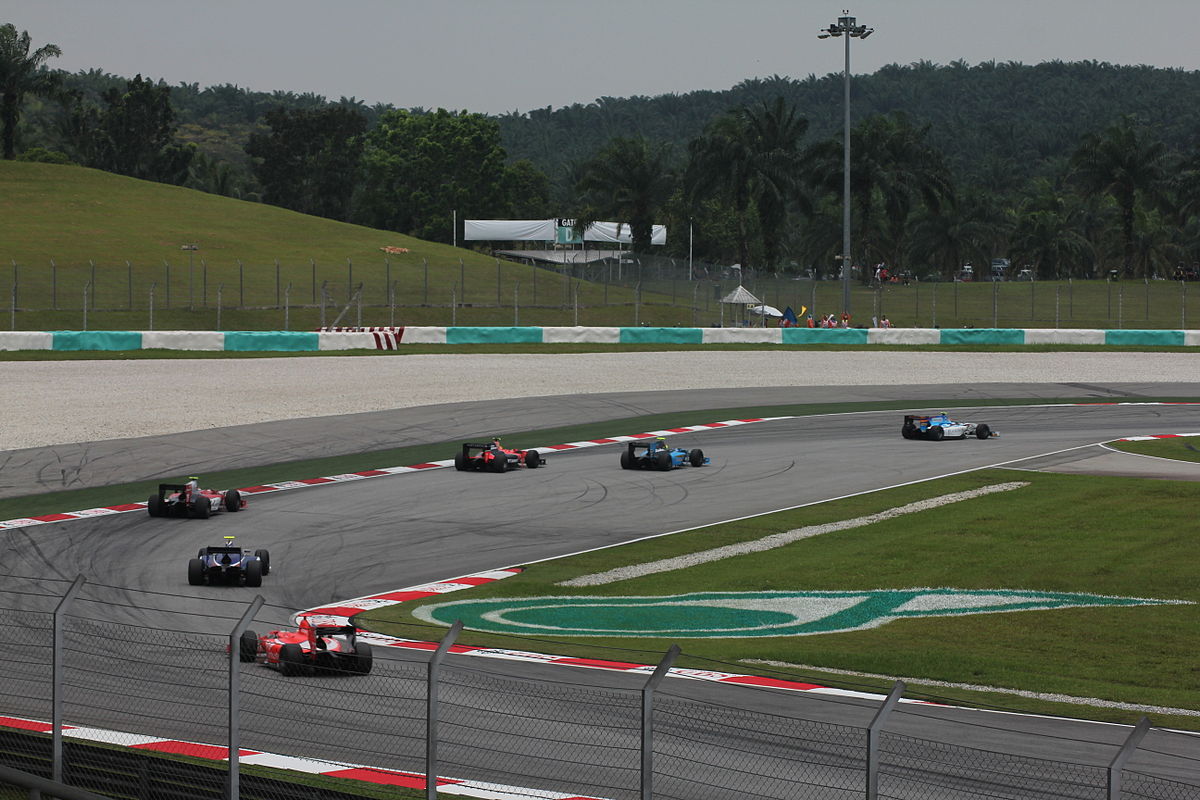
Sepang carried on without Formula One. MotoGP stayed. Other motorsport continued.
The circuit remained a circuit rather than becoming an expensive monument to what Malaysia used to do.
Spa-Francorchamps has had the opposite problem. Nobody has forgotten it.
The Belgian circuit is one of those names Formula One cannot quite imagine itself without, while occasionally behaving as though it might have to.
Its history is magnificent. The financial discussions around it have been rather less romantic.
This is where Belgium becomes Belgium.
Give us a world-famous asset and sooner or later we will convene a meeting to examine its budgetary implications.
There is another small Belgian joke hidden in the name. Spa was famous long before anyone raced a car nearby.
The town’s thermal waters drew visitors from across Europe, and its name eventually travelled so far that today you can book a “spa” treatment in Kuala Lumpur or California without knowing that Spa is a small town in Wallonia.
Belgium somehow created a global brand before branding was invented, then became remarkably discreet about owning it.
Malaysia has sometimes preferred the other approach.
Why spend too long discussing the old project when one can announce a new one?
Preferably larger.
That is a caricature, obviously. But not an entirely useless one.
We like to decide whether old projects were successes or failures, preferably after the politicians who launched them have left office.
Sepang lost Formula One. On that measure, the story ended in 2017.
Except it did not.
The track remained, the know-how remained, and when Formula One needed somewhere to put a displaced Bahrain race, Malaysia could say yes.
Better still, this is not Malaysia suddenly deciding to spend heavily to recover the prestige it gave up nine years ago.
The arrangement exists because Bahrain needs the venue and Malaysia has one ready.
That is a much more interesting comeback.
Countries are full of things built for futures that did not quite arrive as advertised: airports, stadiums, industrial zones, new cities, cultural districts.
Some become indispensable. Some become embarrassments. Quite a few simply sit there until somebody finds another use for them.
None of this means Sepang should automatically regain a permanent Malaysian Grand Prix.
Nor does Spa-Francorchamps deserve an unlimited Belgian cheque because everyone loves Eau Rouge.
Both places still have to make sense.
But perhaps we are too quick to ask old assets to justify themselves according to the promise made on the day they opened.
Sepang was built to bring Formula One to Malaysia.
This October, it will do something nobody imagined in 1999: host Bahrain.
I suspect the old circuit will cope perfectly well with the irony.
Pascal H. Grégoire is a career diplomat and essayist who served as Belgium's Ambassador to Malaysia from 2018 to 2022. He is the editor of Contre-Jour and currently the ambassador of Belgium to the Kingdom of Saudi Arabia.