MALAYSIA’S economic momentum appeared to weaken in the first quarter of 2025, with gross domestic product (GDP) growth slowing to 4.4 per cent year-on-year, down from 5.0 per cent in the final quarter of 2024, according to advance estimates.
While the headline figure reflects residual strength from frontloaded exports ahead of expected tariff hikes, analysts warn the underlying trends are more troubling.
“The economy didn’t need another headwind – it was already wobbling,” said Stephen Innes, managing partner at SPI Asset Management, in remarks to Bernama today.
He noted that the broader geopolitical climate, including past US-China tariff tensions, had already dampened business sentiment and distorted trade flows well before any signs of easing.
Factory output remained in contraction across the quarter, while investment indicators turned decisively negative.
Fixed investment loan applications fell by 3.1 per cent year-on-year, the first decline since late 2022, with loan disbursements slipping 7.6 per cent – the third consecutive quarterly drop.
“The real issue isn’t just trade mechanics – it’s China,” said Innes. “Malaysia’s deep trade linkages with a deflation-prone Chinese economy are proving to be the more persistent drag.”
China’s faltering recovery, characterised by weak domestic demand and price pressures, continues to send ripples across the region. Malaysia, with its heavy reliance on Chinese demand for manufactured exports and raw materials, is particularly exposed.
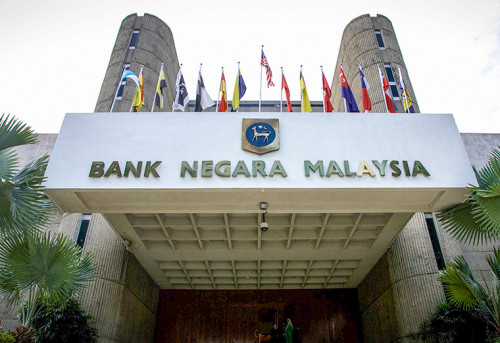
Against this backdrop, the government’s 2025 growth target of 4.5 to 5.5 per cent is increasingly seen as optimistic. Bank Negara Malaysia (BNM) has recently adjusted its tone from neutral to cautiously dovish, acknowledging downside risks stemming from both trade tensions and waning demand among key trading partners.
“With inflation subdued and the growth outlook deteriorating, the stars are aligning for a rate cut,” said Innes. “A 25-basis-point reduction as early as July is now firmly on the table, especially if the Q1 numbers disappoint further or global demand continues to soften.”
The central bank’s flexibility is underpinned by Malaysia’s relatively stable inflation outlook, providing room to ease policy without stoking price pressures.
Still, some economists remain cautiously optimistic. Professor Dr Yeah Kim Leng of Sunway University believes actual Q1 GDP may slightly exceed the advance estimate of 4.4 per cent, citing strong March data from the manufacturing Industrial Production Index (IPI) and healthy growth in wholesale and retail trade.
“Sustained lending and borrowing activity, alongside low inflation, are supportive of domestic consumption and investment,” he said.
However, the broader picture remains fragile. Analysts agree that Malaysia’s resilience is being tested by overlapping global and regional pressures – and that monetary policy support may soon be required to keep the economy on course.
“As much as markets may want to look past near-term softness, the reality is that China remains stuck in neutral and domestic investment is sagging,” Innes added. “Interest rate cuts are no longer just a possibility – they’re becoming a probability.” - May 14, 2025