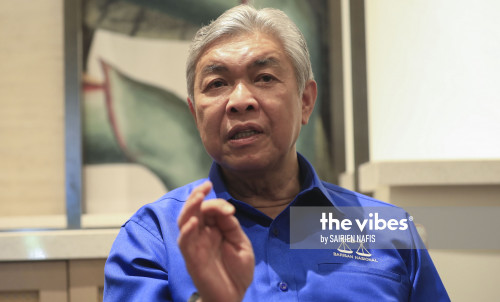
PARTI Pribumi Bersatu Malaysia (Bersatu) may ultimately find itself working with Pakatan Harapan (PH) as the coalition looks to shore up Malay support ahead of the next general election, according to political analyst Dr Azmi Hassan.
Dr Azmi said while such cooperation may be met with hesitation within PH, it could prove to be the most pragmatic path forward as the bloc seeks to strengthen its standing among Malay voters in the run-up to PRU16.
“PH may be reluctant, but the reality is they need Malay support, and Bersatu remains a key vehicle to reach that demographic,” he said.
At the same time, Bersatu is grappling with its own political uncertainties within Perikatan Nasional (PN), where it has been pushing to take on a more dominant leadership role in an effort to remain relevant.
However, Dr Azmi noted that PN is effectively led by Parti Islam Se-Malaysia (PAS), which has shown little indication of relinquishing control of the coalition.
“Bersatu may want to lead PN, but the reality is PAS is firmly in charge and is unlikely to cede that position,” he said.
This leadership imbalance, he added, has contributed to growing tensions within the coalition, further compounded by signs of unease among PN’s smaller component parties.
Malaysian Indian People’s Party (MIPP) has reportedly been exploring possible exit strategies, while Parti Gerakan Rakyat Malaysia (Gerakan) is also believed to be reassessing its position within the bloc.
“These are not isolated developments. They point to deeper structural weaknesses within PN,” Dr Azmi said.
He stressed that many of these issues stem from internal problems within Bersatu itself, which have in turn affected the coalition’s overall stability.
“As long as Bersatu’s internal issues remain unresolved, PN will continue to appear disorganised and weakened,” he added.
Against this backdrop, Bersatu faces a strategic crossroads — either continue navigating a challenging position within PN or explore new political alignments that could secure its long-term relevance.
Dr Azmi said the party’s future may ultimately hinge on its ability to strike a workable arrangement with PH, particularly as both sides weigh their electoral needs.
“In the context of PRU16, this is not impossible. PH needs Malay votes, and Bersatu could help deliver that,” he said.
He added that while such a partnership may seem unlikely given past political rivalries, shifting ground realities could force both sides to reconsider their positions.
“In politics, necessity often overrides hesitation,” he said. – June 11, 2026