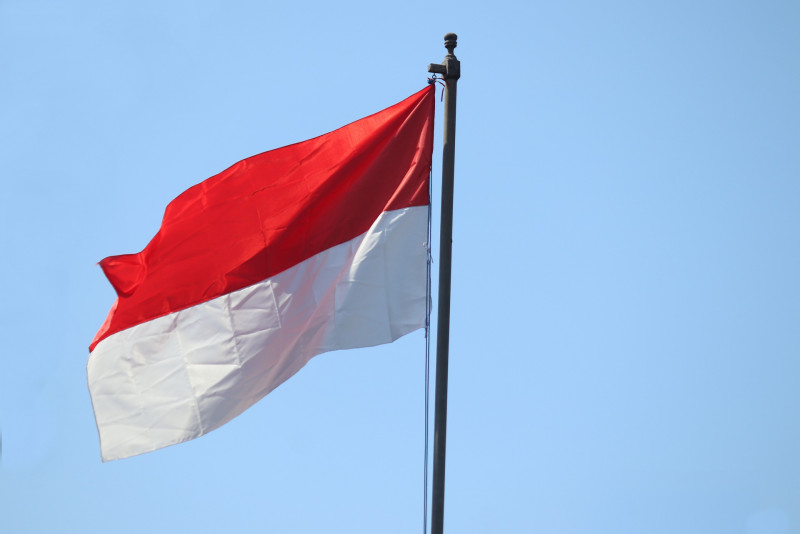
The government unveils a stimulus package worth US\$1.5 billion to spur domestic consumption - June 3, 2025
The republic recorded a trade surplus of US$158.8 million in April despite a sharp 21.84 per cent rise in imports, driven by higher shipments of capital goods and raw materials.
INDONESIA registered a trade surplus of US$158.8 million in April, even as imports surged by 21.84 per cent year on year, according to data released by the Central Statistics Agency on Monday.
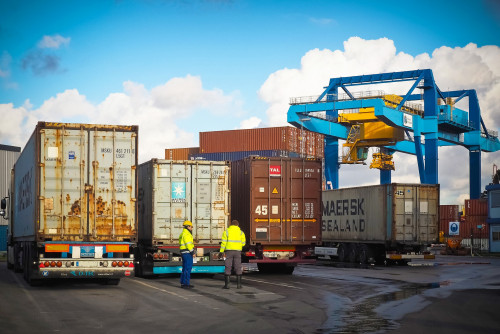
The increase in imports was largely driven by capital goods and raw materials. Imports reached US$20.59 billion, with non-oil and gas imports climbing 29.86 per cent to US$18.07 billion. Imports of capital goods rose by 36.28 per cent to US$3.91 billion, while raw materials increased by 18.93 per cent to US$14.97 billion. Consumer goods imports also saw an 18.46 per cent rise, amounting to US$1.70 billion.
China remained Indonesia’s largest non-oil and gas import partner from January to April, accounting for US$25.77 billion or 39.48 per cent of the total. Japan and Thailand followed with US$5.04 billion and US$3.13 billion, respectively.
Meanwhile, exports in April totalled US$20.74 billion, marking a 5.76 per cent increase from the same period last year. Non-oil and gas exports rose 7.17 per cent to US$19.57 billion. China was also the top export destination, with US$18.87 billion (22.86 per cent), followed by the United States and India.
In a separate development, Finance Minister Sri Mulyani Indrawati announced that the government’s economic stimulus package to boost domestic consumption over June and July will cost 24.44 trillion rupiah (approximately US$1.5 billion). The measures include fare subsidies, cash aid, and food assistance, with state-owned enterprises contributing around 850 billion rupiah.
“With these economic stimuli … we hope economic growth in the second quarter can be kept close to 5 per cent, compared to our previous forecast of a slowdown due to global conditions,” Sri Mulyani said on Monday.
The package, unveiled in late May, includes discounted electricity bills and transportation fares, as well as incentives for domestic tourism during the school holidays from 28 June to 12 July. However, plans to halve some electricity tariffs were shelved due to budgeting constraints. Instead, the funds will be redirected to the Wage Subsidy Assistance programme for workers earning below 3.5 million rupiah per month.
Indonesia’s economy grew 4.87 per cent in the first quarter of the year, the slowest pace in over three years, as global headwinds and weakened household spending weighed on growth. Analysts have expressed concern that the latest stimulus may be insufficient to significantly lift domestic demand without broader structural support for the middle class and local businesses. - June 3, 2025
Trade Surplus, Imports, Exports, Economic Stimulus, Capital Goods, Raw Materials, Sri Mulyani, Domestic Consumption, ASEAN Economy