MALAYSIA is expected to retain its position as the leading destination for digital infrastructure investment in Southeast Asia, with Johor continuing to draw significant interest in data centre development, according to a new analysis by BMI, a unit of Fitch Solutions.
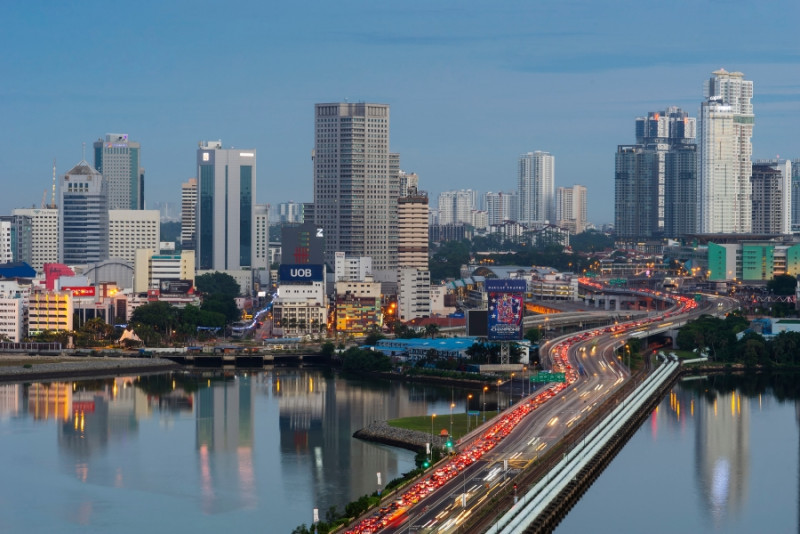
In a statement released yesterday, BMI said the anticipated boost stems from the newly proposed Singapore Economic Zone (SEZ), which could prompt the development of more industrial parks and land allocations specifically for data centre construction.
“Our estimates indicate more than 3.2 gigawatts (GW) of planned capacity entering the Malaysian market, followed by Indonesia with 1.8 GW, while the Philippines lags significantly with just under 180 megawatts (MW),” the report stated.
BMI noted that tech giant Alibaba Cloud is planning new data centre infrastructure in both Malaysia and the Philippines, in a move expected to reinforce the region’s growing digital economy and accelerate cloud service adoption among local enterprises.
The report emphasised that Malaysia remains a preferred location for digital infrastructure investment, particularly as demand continues to shift away from Singapore due to space and regulatory constraints.
In a separate statement, BMI acknowledged that new electricity tariffs may pose short-term challenges for data centre projects in Malaysia. However, it added that the country’s dominant position in Southeast Asia’s rapidly expanding digital economy is unlikely to be significantly disrupted, as demand for cloud computing remains strong.
“Some Malaysian data centre platforms may seek to focus on demand related to non-AI applications or lower-intensity AI use cases in order to mitigate tariff impacts,” the report said.
These developments are also expected to accelerate renewable energy adoption and sustainability-focused investments. “The use of renewable energy sources is becoming a necessity, as power remains a critical issue across many markets,” it added. - July 4, 2025