THE Inland Revenue Board of Malaysia (LHDN) has received a total of 820.5 million e-invoices since the e-invoicing system was rolled out on Aug 1, 2024, underscoring widespread adoption and encouraging compliance levels among businesses nationwide.
LHDN chief executive officer Datuk Dr Abu Tariq Jamaluddin said the figure involved the participation of 111,600 taxpayers from phases one to three, where implementation is mandatory, as well as voluntary participation from phase four taxpayers.
The data, he said, showed that the e-invoicing initiative has been very well received by the business community in Malaysia.
“In fact, the level of compliance for mandatory implementation has also recorded a very encouraging percentage.
“From LHDN’s perspective, we are highly committed to providing assistance and advisory services to all affected taxpayers to ensure proper understanding and awareness of the importance and benefits of implementing e-invoicing for each business or organisation,” he said.
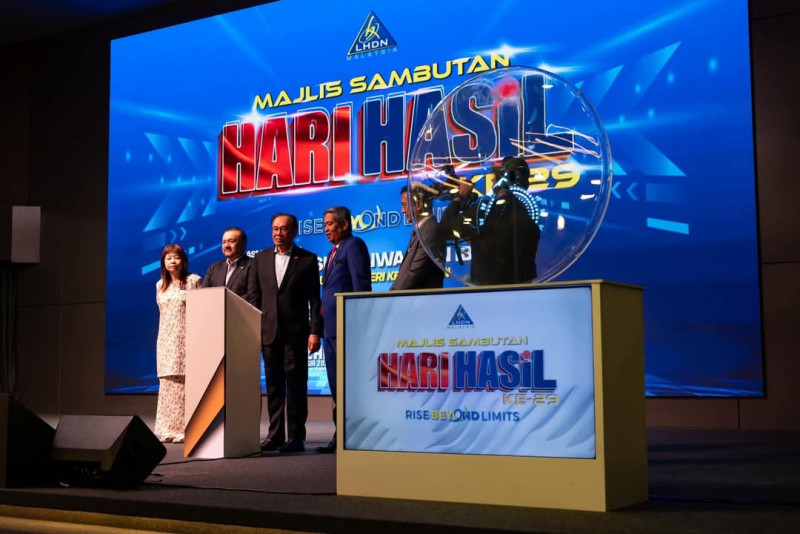
Abu Tariq was speaking at a press conference after LHDN’s engagement session with trade associations, held at Dewan Bangsawan in Menara LHDN here today. The inaugural session was attended by 46 representatives from 21 chambers of commerce and trade associations across the Klang Valley.
On compliance rates, he said phases one and two recorded compliance levels exceeding 90 per cent, while phase three had already reached 80 per cent.
As for phase four, Abu Tariq said the focus of e-invoicing implementation was not primarily on immediate revenue collection, but on encouraging traders to maintain proper and systematic records.
“With good records in place, traders will naturally improve their compliance indirectly.
“So this indirect impact will be seen later when all taxpayers begin implementing e-invoicing and have complete records when they submit their tax reporting at year-end.
“Therefore, our expectation is that with better records, national tax revenue collection will also increase,” he said.
Addressing challenges faced by industry players, Abu Tariq said one of the main concerns was the need for more time to adapt to the new system. He noted, however, that LHDN had already provided several flexibilities, including a grace period after the next implementation phase beginning Jan 1.
“There is a further six-month relaxation period where they can submit a consolidated e-invoice at the end of the month.
“Additionally, there will be no enforcement action during this six-month period.
“This window provides more time for all taxpayers in this group to start submitting at least one invoice per month, and we hope they will take this opportunity to prepare themselves and participate fully in the e-invoicing programme,” he said.
On other implementation challenges, Abu Tariq said many e-invoices were rejected due to inaccurate data or incorrect Tax Identification Numbers. He stressed the importance of ensuring data accuracy by using the systems provided by LHDN.
“If the data is not available or is inaccurate, the e-invoice may be rejected at the initial stage. Only when the correct TIN data is provided will the submitted invoice be accepted,” he said.
Commenting on the engagement session, Abu Tariq said the initiative reflected LHDN’s ongoing commitment to engage directly with industry players and listen to feedback on e-invoicing implementation.
Such sessions, he added, have proven valuable in shaping more effective, efficient and responsive strategies, particularly in supporting micro, small and medium enterprises to comply with the e-invoicing framework. - December 22, 2025