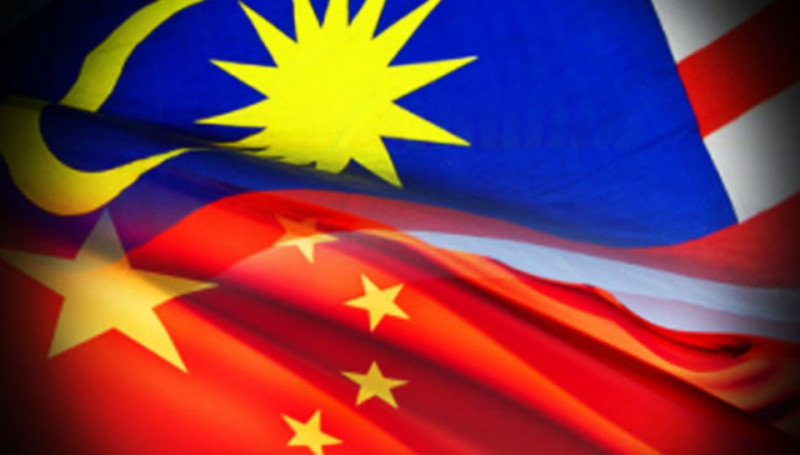
MALAYSIA and China are standing out as among the most resilient economies in Asia as global energy market volatility intensifies amid the ongoing conflict in West Asia, according to a senior strategist at JPMorgan.
Speaking in a recent interview with CNBC, Rajiv Batra, head of Asia and co-head of global emerging markets equity strategy at the firm, said most economies in the region remain more vulnerable to energy shocks compared to Malaysia and China.
He attributed Malaysia’s relative strength to its position as an energy exporter and its disciplined policy framework, which together provide a buffer against external pressures.
“Malaysia’s fiscal deficit is well managed due to government policy, and inflation remains relatively contained,” he said.
He added that these factors not only support the country’s equity market performance but also help stabilise its currency amid global uncertainty.
Turning to China, Batra noted that the country’s limited reliance on imported energy for electricity generation enhances its resilience, with only about five per cent of its power supply dependent on imports.
China also maintains substantial strategic reserves and retains the capacity to scale up alternative energy sources, including coal and renewables, should the need arise.
Despite these strengths, Batra cautioned that the broader economic outlook remains uncertain. Prolonged geopolitical tensions that disrupt oil and gas supply chains, particularly through infrastructure damage and logistical delays, could place significant strain on global growth.
He said energy-sensitive sectors such as consumer goods, utilities and downstream industries are likely to feel the immediate impact in equity markets.
However, if the crisis persists, the effects could spread more widely to sectors including finance, technology, telecommunications and healthcare.
Batra added that, for now, markets have yet to fully price in a worst-case scenario, with prevailing expectations still anchored on a gradual economic slowdown despite mounting risks. - March 29, 2026