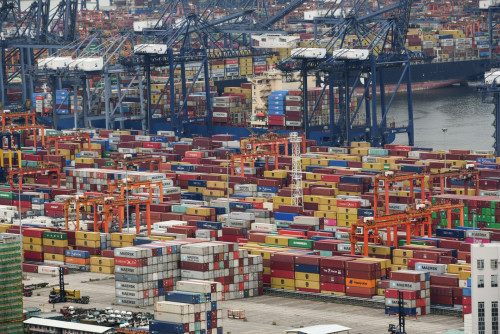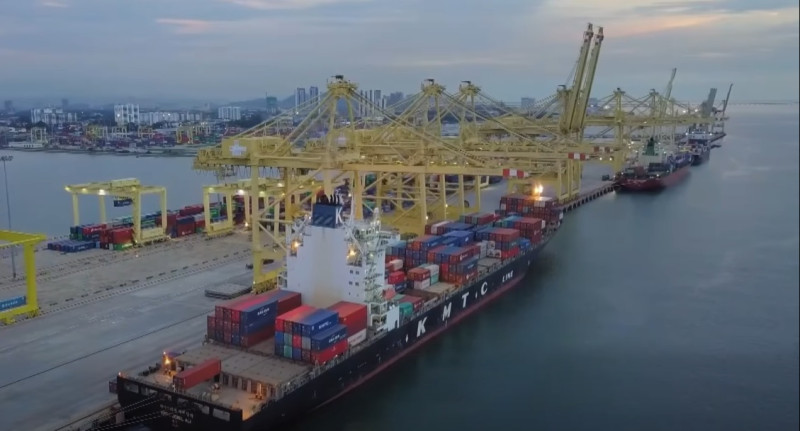
SIGNIFICANT discrepancies between the handling of physical cargo and the corresponding official documentation are creating structural weaknesses in Malaysia’s petroleum supply chain, which could result in considerable revenue loss.
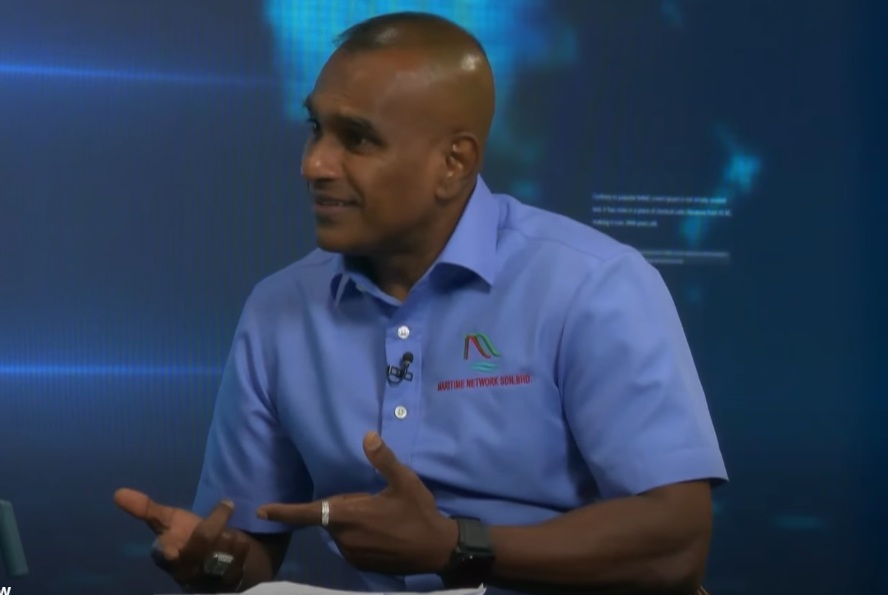
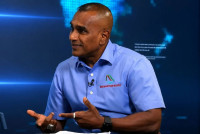
Speaking during a recent talk show on Bernama TV, Datuk Seri Jeyenderan Ramasamy, the Chief Executive Officer of Maritime Network Sdn Bhd, emphasised a growing disconnect in the management of oil cargo once it departs from the vessel.
According to Jeyenderan, the main problem occurs after the oil is unloaded at ports.
While cargo movements may seem “clean” on paper, the actual situation in shore tanks presents a different narrative.
“The gap does not occur at sea; it quietly emerges after discharge.
“Once the cargo enters shore tanks, it can be stored, blended, or mixed. At that point, it ceases to be a single defined cargo, yet the system continues to treat it as if it remains unchanged,” he stated.
This situation results in a dependence on outdated Certificates of Origin and Certificates of Quality.
Although these documents are accurate at the time of initial loading, Jeyenderan pointed out that they become merely a “memory of what the cargo used to be” instead of an accurate representation of its current condition after blending.
A significant concern raised during the discussion was the handling of K8 declarations (Customs forms for the movement of goods between licensed warehouses).
With over 30 years of maritime expertise, Jeyenderan cautioned that if these declarations are not accurately updated after the cargo is modified in shore tanks, the system introduces considerable risk.
“When what you declare no longer matches what you possess, risk infiltrates the system, not necessarily by design, but because the system permits it,” he remarked.
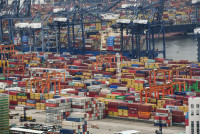
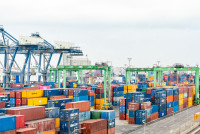
He specifically highlighted Tanjung Langsat Port as a crucial hub where intense activity magnifies the effects of any systemic deficiencies.
From a national standpoint, the financial consequences are immense. Jeyenderan emphasised that since the industry manages substantial volumes daily, even slight discrepancies can escalate into "very large numbers" in terms of lost revenue.
He characterised the existing challenges as a "signal" of structural weakness rather than mere misconduct.
He linked this to a disparity between advancing operations and outdated regulations.
"Operations have accelerated and become more interconnected, yet regulation has not consistently kept up. Uncertainty resides in that gap," he remarked.
To protect Malaysia’s petroleum-related income, Jeyenderan urged prompt policy reform and explicit guidelines concerning post-discharge documentation.
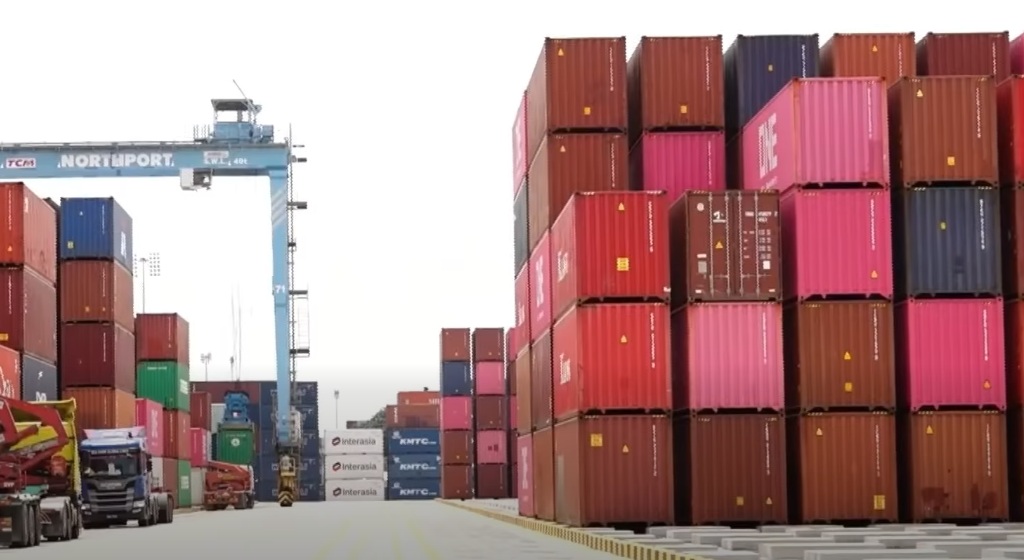
He contended that accountability must be distinctly allocated, with regulators responsible for establishing a firm and clear framework, terminal operators managing physical processes with complete transparency, and importers ensuring that all declarations accurately represent the current condition of the cargo.
While he recognised that digitalised end-to-end tracking would enhance transparency, he warned that technology is not a "silver bullet." Achieving success necessitates industry-wide alignment, discipline, and a dedication to ensuring that reality aligns with the documentation.
Jeyenderan also reminded regulators and industry stakeholders that the issue goes beyond simple operations. "It is about trust. Everything hinges on one factor: whether what is documented reflects reality.
"If we lose that, we do not merely lose revenue; we lose faith in the system itself. The question is not if we should act, but how swiftly we are prepared to," he concluded. - May 7, 2026
.jpg)


_director_Datuk_M._Kumar.jpg)