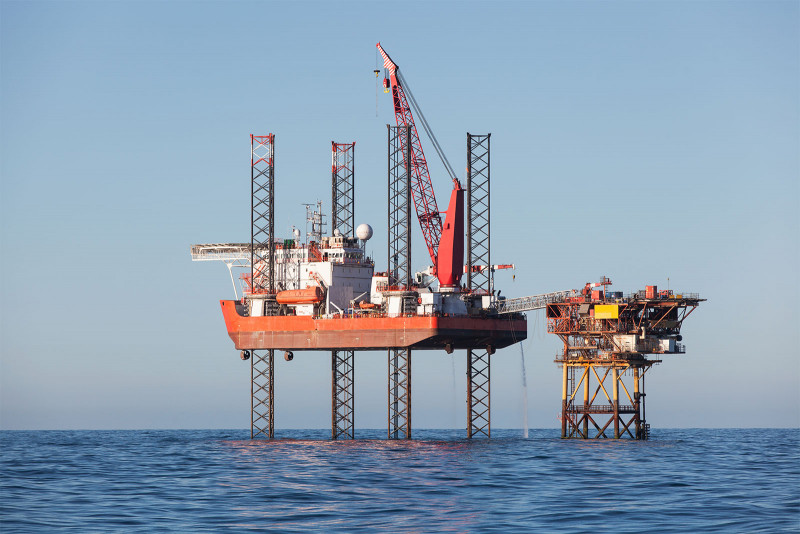
GLOBAL oil markets retreated on Thursday as investors welcomed the signing of a peace agreement between the United States and Iran, shifting attention from geopolitical tensions to the prospect of a gradual recovery in crude exports through the Strait of Hormuz.
Brent crude fell below US$78 a barrel, while West Texas Intermediate traded near US$76, extending a steep decline that has erased much of the price surge triggered by the outbreak of conflict earlier this year.
The sharp fall reflects growing confidence that oil shipments from the Gulf will progressively return to normal after months of disruption caused by military confrontation and restrictions on maritime traffic through one of the world's most strategically important energy chokepoints.
US President Donald Trump announced that the agreement had been signed, saying it would pave the way for the rapid reopening of the Strait of Hormuz, a vital shipping route that previously carried around one-fifth of global oil supplies before the conflict.
The waterway was effectively closed after Iran blocked access following United States and Israeli strikes on its nuclear facilities, with Washington subsequently imposing its own naval blockade.
Despite the diplomatic breakthrough, Tehran indicated that a full recovery in exports would depend on the removal of American sanctions.
Iranian Foreign Ministry spokesman Esmail Baghaei said the country must be allowed to market its crude without restrictions and that shipping, insurance and financial payment systems must operate freely before exports could fully normalise.
The agreement has nevertheless strengthened expectations that energy supplies from the Gulf will steadily increase over the coming weeks.
Industry participants remain cautious, however, with oil producers, commodity traders and shipping companies seeking greater clarity on operational procedures before restoring normal commercial activity.
Even so, early signs of recovery have begun to emerge, with some commercial vessels altering their routes back towards the Middle East while Iranian oil tankers carrying crude have resumed departures from the country's ports.
Iraq, the region's second-largest oil producer, has also signalled that it is preparing to increase exports as regional shipping routes reopen, raising expectations that additional supplies from Gulf producers will gradually return to international markets.
Despite the recent decline in prices, underlying market fundamentals remain relatively tight.
Inventories at Cushing, Oklahoma, the delivery hub for United States crude futures and the country's largest commercial oil storage facility, have fallen to about 20 million barrels, a level widely regarded by traders as approaching the minimum required for efficient operations, suggesting that supply constraints have not been fully eliminated despite improving geopolitical conditions. - June 18, 2026









.jpg)