Business

German unemployment stable in December

Country's seasonally adjusted jobless rate stood at 6.1% last month, the same as in November, after three months of falls

Updated 5 years ago · Published on 05 Jan 2021 8:30PM

German unemployment stable in December
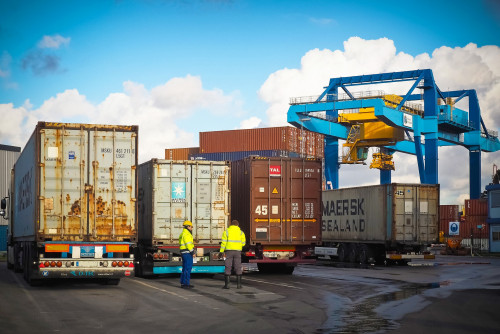
Germany’s federal labour agency data shows unemployment fell by 37,000 people, seasonally adjusted, to 2.7 million, although the figure is still nearly half a million higher than in December 2019. – Pixabay pic, January 5, 2021

FRANKFURT – German unemployment held steady in December, official data showed today, as government measures that closed most shops over the Christmas period caused a jump in those on short-time work.  

The seasonally adjusted jobless rate in Europe’s top economy stood at 6.1% in December, the same as in November, after three months of falls, according to the BA federal labour agency.

Unemployment fell by 37,000 people, seasonally adjusted, to 2.7 million, although the figure is still nearly half a million higher than in December 2019. 

Germany tightened virus restrictions last month, closing non-essential shops after already shuttering culture and leisure facilities in November. 

The shutdowns prompted employers to rely more heavily on a government-subsidised scheme that allows them to reduce workers’ hours to avoid layoffs. 

BA data showed another 660,000 people were placed on short-time employment between December 1 and 28.

Most observers expect the curbs to continue until the end of January as infection rates remain stubbornly high in the country. 

Germany today reported 11,897 new coronavirus cases and 944 deaths, ahead of a meeting between Chancellor Angela Merkel and regional leaders to decide on extending the shutdowns.

“The rising number of short-time workers, as well as the longer-term impact from the ongoing second lockdown and a high risk of insolvencies in 2021, clearly argue against too much optimism,” said ING bank analyst Carsten Brzeski.

BA chairman Detlef Scheele said the pandemic was having a “very visible” impact on Germany’s labour market.

“The stabilising effect of short-time work has, however, secured employment and prevented higher unemployment,” he added.

Before the coronavirus, Germany’s unemployment rate had hovered at a record low of around 5%.– AFP, January 5, 2021


Related News

Malaysia / 1mth

DOSM: May unemployment rate remains at 3 per cent

Malaysia / 1mth

Young voters could decide Johor election outcome as parties battle for new electorate

Opinion / 4mth

The hidden unemployment no one talks about

Business / 6mth

Malaysia’s economy - Five realities frequently overlooked

Culture & Lifestyle / 1y

Malaysian quartet drive VWs in road trip to Germany

Malaysia / 1y

Prioritise employment of Sabahans, Minister tells state assembly

Spotlight

Malaysia

Desa ParkCity deaths: Netizens voice concern, call for increased enforcement, crackdowns on scammers

Malaysia

Seven Yemenis arrested over dangerous stunt on KL road

Malaysia

UMNO gives state leaders mandate to negotiate electoral pacts

Malaysia

Sultan Selangor warns against greed, abuse of trust

By Alfian Z.M. Tahir

Malaysia

Form Six students to get allowance from 2027

Malaysia

Desa ParkCity deaths: Wife believed to be victim of love scam, say cops

Malaysia

Saravanan's letter will be referred to MACC, relevant authorities - PM Anwar

Malaysia

Thirteen arrested after teen girl dies in suspected gang-related road attack in Kulai

You may be interested

Business

Petronas revenue jumps 15% to RM152.4b as energy investments lift first-half earnings

Business

Malaysia’s international reserves stand at US$132.07b in July

Business

Robo.ai Inc announces appointment of new independent director

By Alfian Z.M. Tahir

Business

ASM 2 Wawasan declares seven-year high payout of 5 sen a unit

Business

Oil prices fall as Hormuz reopening hopes offset Iran tensions

Business

K8 Cargo: Company still in limbo, claims CEO

Business

Robo.ai swings to positive equity after US$46.7m first-half profit

By Alfian Z.M. Tahir

Business

Questions over traceability of nearly 77,000 tonnes of K8 cargo at Tanjung Langsat