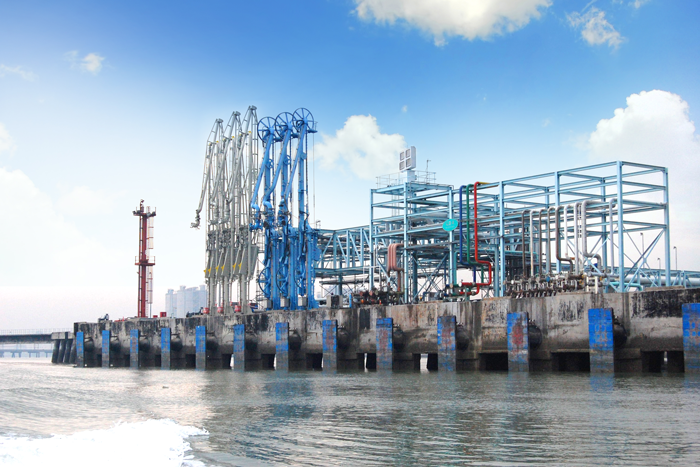
UNCERTAINTY over the tax treatment of oil cargo that is commingled in shore tanks at Johor’s Tanjung Langsat Port is badly affecting businesses involved in the shipping and petroleum sectors.
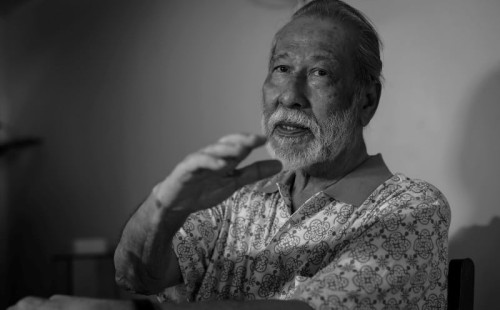
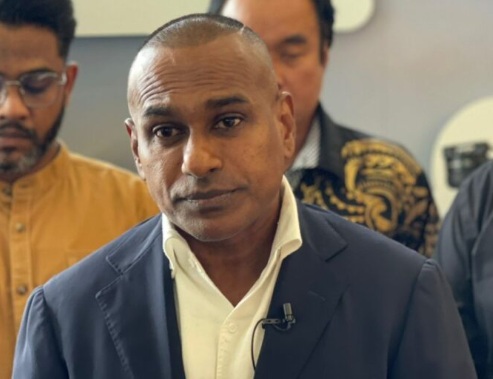
Maritime Network Sdn Bhd chief executive officer Datuk Seri Jeyenderan Ramasamy said the Royal Malaysian Customs Department (JKDM) must urgently provide a clear ruling on whether such commingling is permissible and, if so, how the cargo should be classified, documented and assessed for tax purposes.
“The issue was particularly important at Tanjung Langsat Port, where petroleum cargo is handled and may be discharged from vessels into shore tanks during transhipment operations.
“While commingling could be part of operational practices, the absence of clear guidelines on its regulatory and tax implications could expose businesses to uncertainty, additional costs and potential disputes with the authorities.
“When different consignments are mixed in a shore tank, Customs must be able to determine whether the commingling is correct and how the cargo should subsequently be treated for tax purposes,” he said.
With over 30 years of maritime expertise, Jeyenderan said customs needs to establish clear requirements covering documentation, cargo classification, valuation and tax assessment to ensure businesses know exactly what is expected of them.
Companies should not be left to interpret tax and customs requirements on their own, particularly when the outcome could have significant financial implications for their operations.
“If the practice is allowed, customs should clearly state the requirements.
“If there is tax to be paid, businesses must know exactly how it is calculated. If it is not taxable under the applicable rules, that should also be clearly stated,” he said in a statement today.
Jeyenderan stressed that prolonged uncertainty could result in cargo delays, additional storage and operational costs, contractual complications and disruption to business activities at the port.
He said legitimate companies should not be placed at a disadvantage or face unexpected financial exposure because of unclear regulatory or tax requirements.
“We are not asking for special treatment. We are asking for clarity. Businesses need to know what is permitted, what documentation is required and what tax treatment applies,” he said.
Jeyenderan also urged customs to engage directly with industry players to better understand the actual operations involving petroleum cargo at Tanjung Langsat Port, particularly the processes that take place after vessel discharge and during storage and transhipment.
Jeyenderan had earlier raised concerns over what he alleged was the practice of oil cargo being commingled in shore tanks following vessel discharge during transhipment operations, saying it could give rise to regulatory, documentation and tax compliance issues if not properly managed.
He said when crude oil from different consignments was mixed in shore tanks, the physical characteristics of the cargo could change and, unless the accompanying documentation was properly updated, discrepancies could arise in cargo classification, valuation and tax assessment. – August 12, 2026