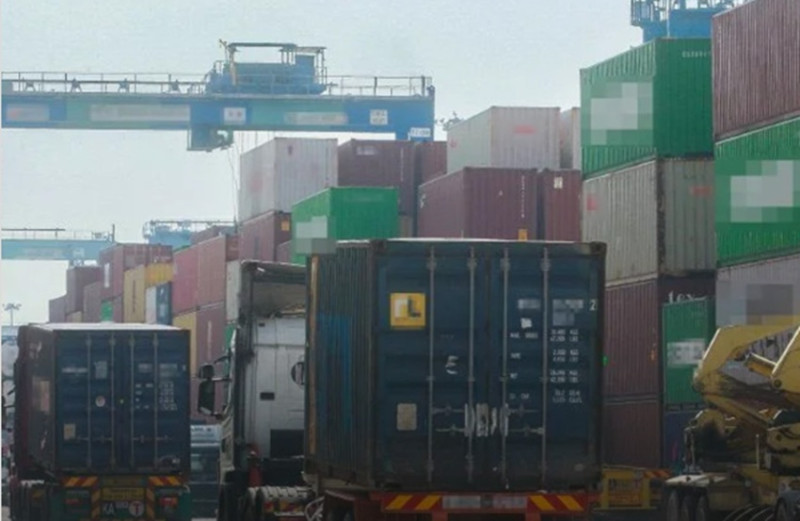
A MARITIME industry executive today questioned whether the Malaysian Anti-Corruption Commission (MACC) would act on a report over alleged discrepancies between bills of lading and the physical movement of petroleum cargo, following the latest disclosure by the Royal Malaysian Customs Department on import declaration irregularities.
The report was lodged by Maritime Network Sdn Bhd chief executive officer Datuk Seri R. Jeyenderan on June 5 over alleged discrepancies involving bills of lading and the physical movement of petroleum cargo at Tanjung Langsat Port, Johor, in transactions reportedly worth millions of ringgit.
In a report by Harian Metro, Customs director-general Datuk Seri Amran Ahmad said that certain importers had allegedly manipulated documents, under-declared the value, weight and quantity of imported goods, and used incorrect tariff codes to evade or reduce import duties and taxes, potentially resulting in millions of ringgit in revenue losses to the government.
Following the disclosure, Jeyenderan, who has more than 30 years experience in the maritime industry, questioned whether the latest information could provide grounds for MACC to revisit the concerns raised in his report.
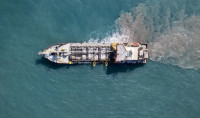
The June 5 report involved two petroleum cargoes comprising 76,954.325 metric tonnes of Atlanta Crude, valued at more than RM220 million, which were discharged at Tanjung Langsat.
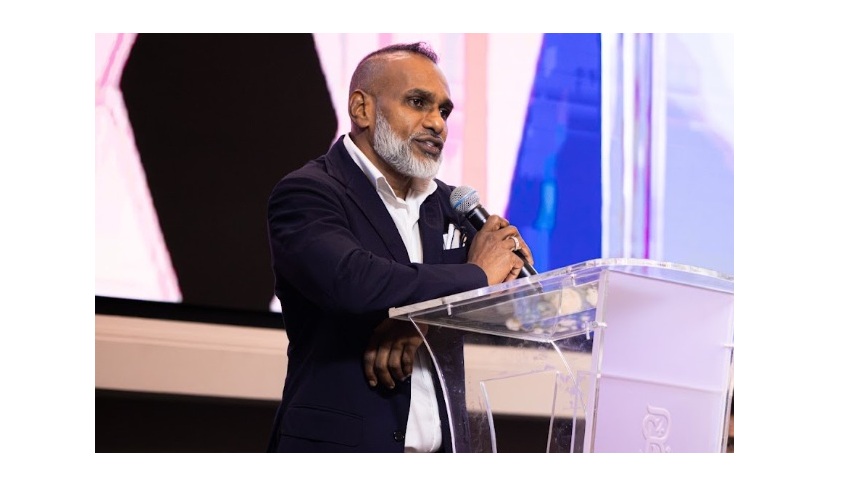
Jeyenderan said the key concern was traceability, particularly how the authorities and relevant parties could establish what happened to the cargo after it entered storage tanks containing existing inventory, including any subsequent movements, mixing or blending.
He said the relevant records should establish the quantity discharged into each tank, the existing inventory, subsequent product movements, laboratory specifications and the quantities eventually removed or transferred to ensure an unbroken documentary trail.
Jeyenderan stressed that Maritime Network had acted as the vessel or shipping agent for the cargo movements and was not the cargo owner, terminal operator, laboratory or Customs authority.
He said it was therefore important for the respective roles and responsibilities of all parties involved to be clearly established.
Jeyenderan wants MACC to clarify whether the latest information disclosed by Customs warrants further investigation, particularly regarding the accuracy of cargo declarations and the applicable regulatory treatment.
He said the main concern was to establish whether the cargo declarations, supporting documents and actual physical movement of the petroleum products were consistent with the relevant Customs requirements.
He also called on the authorities to clarify whether there were any regulatory or revenue implications arising from the handling of petroleum cargoes, particularly where shared storage tanks and blending arrangements were involved. – November 3, 2026