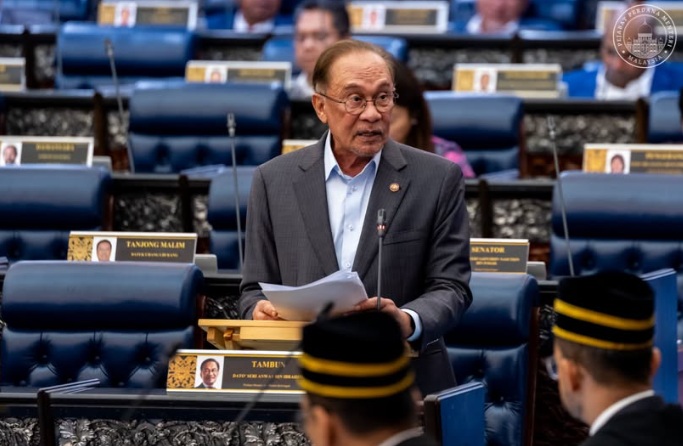
MALAYSIA is taking steps to strengthen its defences against possible cyberattacks after intelligence assessments placed the country among potential targets, with its growing digital infrastructure and position on the Gaza conflict among the factors drawing attention.
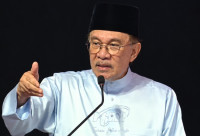
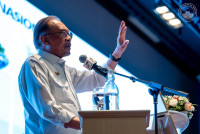
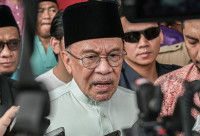
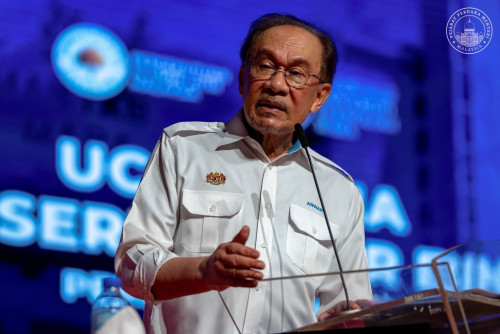
Prime Minister Datuk Seri Anwar Ibrahim said the government was treating the matter seriously, although details of the intelligence received could not be disclosed publicly.
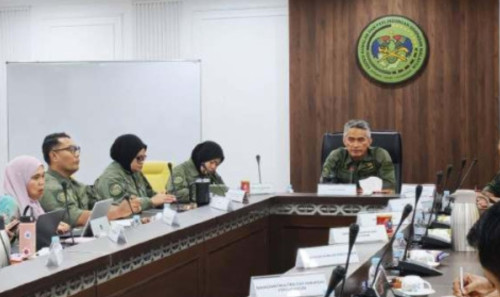
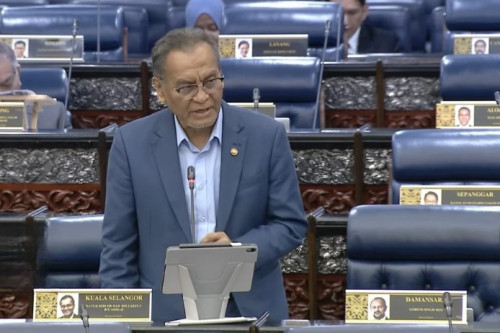
He told the Dewan Rakyat that the National Security Council (NSC) had convened a special meeting on Monday to assess the threat, alongside wider security developments in the Middle East and Europe.
“Malaysia is certainly among those considered a target,” he said when responding to a supplementary question from Datuk Seri Dr Ronald Kiandee (PN-Beluran), who sought clarification on whether Malaysia had been identified as a potential target and the extent of the threat.
Anwar said he had received information on the matter from the Home Ministry on Monday afternoon and again this morning, prompting the government to take further precautionary measures.
“We must not take this lightly,” he said, adding that the government would brief Parliament on the situation.
A special closed-door session involving all MPs has been proposed within the next one or two days, to be conducted by the NSC director-general.
This would allow lawmakers to receive information that could not be shared in an open sitting.
The government is also moving to coordinate its response across key agencies.
Chief Secretary to the Government Tan Sri Shamsul Azri Abu Bakar is due to chair a meeting with relevant departments, while Bank Negara Malaysia governor Datuk Seri Abdul Rasheed Ghaffour will convene financial institutions to discuss the risks.
Critical infrastructure, including energy, transport, financial services and food supply, will be among the sectors requiring particular attention.
Anwar warned against viewing cyberattacks elsewhere as distant problems, pointing to incidents that have disrupted public services and exposed sensitive information in several countries.
“Do not assume these threats are far removed from us. What has happened in Europe, America and Japan has shaken those countries,” he said.
Among the incidents cited were a cyberattack that forced Belgium to shut its national tax portal and a breach of Denmark’s central population register, affecting identification records involving nearly nine million people.
In the United States, the Federal Election Commission’s electronic filing system was disrupted for 41 hours ahead of the elections.
Japan also experienced a breach of government networks that exposed personal records involving more than 100,000 police personnel and affected police operations in several districts.
Beyond the digital threat, Anwar said Malaysia was keeping a close watch on tensions in the Middle East, developments in Yemen and the Red Sea, as well as security concerns in Europe.
He also said the government had taken note of precautionary advice issued by the European Union, Canada and Japan, urging their citizens to maintain food stocks amid growing uncertainty over the international situation.
Anwar did not disclose the identity of any suspected attackers or specify which Malaysian institutions might be targeted. - November 3, 2026