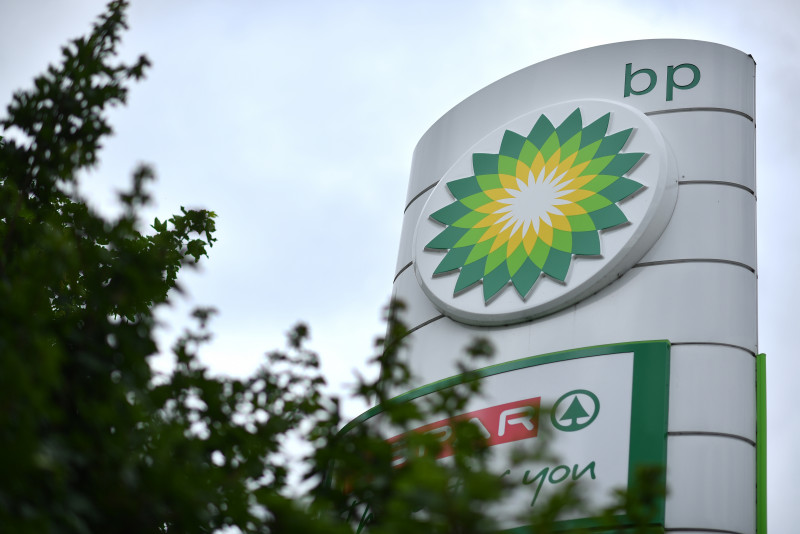
LONDON – BP today reported a huge US$20.3 billion (RM82.13 billion) net loss for last year, despite a slender fourth-quarter profit, as the coronavirus pandemic ravaged global energy demand.
The loss contrasted sharply with the net profit of US$4 billion in 2019, said the British energy major, adding that the oil sector has been “hit hard” by the fallout from the Covid-19 crisis.
The London-listed giant said the loss was driven by tumbling oil and gas prices, as well as significant impairments and exploration write-offs during a tumultuous year for the energy industry.
However, in the fourth quarter, net profit hit US$1.36 billion after the sale of BP’s petrochemical business to privately owned rival Ineos for US$5 billion.
BP launched plans last year to axe about 10,000 jobs, or 15% of its global workforce, under a cost-cutting drive that ends in 2021, and embarked on major asset disposals after the coronavirus sparked huge asset write-downs.
‘Pain and sadness’
“The year 2020 will forever be remembered for the pain and sadness caused by Covid-19. Lives were lost – livelihoods destroyed,” said chief executive Bernard Looney in a statement.
“Our sector was hit hard as well. Road and air travel is down, as are oil demand, prices and margins. It was also a pivotal year for the company.
“We launched a net-zero ambition, set a new strategy to become an integrated energy company, and created an offshore wind business in the United States.
“We began reinventing BP – with nearly 10,000 people leaving the company. We strengthened our finances – taking out costs and closing major divestments.”
Today’s results were published a day after the company announced the sale of a 20% stake in Oman’s Block 61 gas field to Thailand’s state-controlled PTTEP for US$2.6 billion. BP will retain a 40% stake and continue to operate the block.
Under Looney, who took over the reins at BP a year ago as the pandemic began taking hold, the group is looking to raise US$25 billion from asset sales by 2025.
After companies worldwide closed their doors and airlines grounded planes towards the end of last year’s first quarter, oil prices dropped off a cliff, even turning negative at one point.
Prices then rebounded sharply, and are currently trading above US$50 per barrel.
Demand ‘anticipated to recover’
Turning to the outlook, BP has forecast an oil demand recovery this year, but cautioned this will depend on vaccine roll-outs and actions by governments and individuals worldwide.
“Oil demand is anticipated to recover in 2021. The speed and degree of the rebound depends on governments’ policies and individuals’ self-imposed actions as vaccine distribution proceeds,” said BP.
However, the group noted that Covid-19 restrictions will have “material impacts” on its downstream division in the first quarter of 2021.
“BP will continue to review all actions and respond to any further changes in prevailing market conditions.”
One year ago, Looney launched ambitious plans for the firm to achieve “net zero” carbon emissions by 2050, as the group seeks to offset declining oil and gas production with greater output from sustainable energy sources, such as electricity and wind power.
In September, BP entered the offshore wind market in a US tie-up with Norwegian peer Equinor.
BP agreed to pay Equinor US$1.1 billion for interests in wind developments off the coasts of New York and Massachusetts, while pursuing other US projects together.
Until now, BP has operated only onshore wind assets, mostly in the US. – AFP, February 2, 2021