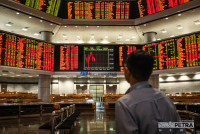
HONG KONG – Asian markets today struggled to maintain a global rebound from last week’s rout, as the improving economic outlook and vaccine roll-outs are offset by lingering worries that valuations may have run too far.
United States lawmakers’ push to get President Joe Biden’s huge stimulus through Congress in the next two weeks, and Wall Street’s powerful lead – driven by a rally in tech firms – are not enough to keep spirits up, with inflation fears also hanging in the background.
A ramping-up of immunisations, falling infection rates, government and central bank support, and the easing of lockdown measures have fanned expectations that the global economy will enjoy a blistering recovery this year and next, helping propel equities to record or multi-year highs.
But, the bright-eyed optimism has given way in recent weeks to worries that the so-called reflation trade will send prices soaring, and force officials at the Federal Reserve and elsewhere to wind in their ultra-easy monetary conditions, including lifting interest rates.
And, the rise of yields in government bonds in the US and other key economies last week sparked a mini meltdown, exacerbated by profit-taking as investors considered some gains to have run a little too far.
However, a stabilisation in the bond market on Friday and yesterday appears to have staunched the bleeding for now, while analysts said worries about a surge in inflation and rate cuts were overdone.
And in an interview, top Fed official Thomas Barkin reiterated the message from his bank colleagues that the rise in yields is nothing to be worried about.
“In fact, I would be disappointed if we didn’t see yields... rise as the outlook improves,” he told The Wall Street Journal.
“If the driver is – as it seems to be – news about vaccines, or news about the health of the economy, or news about fiscal stimulus, then I think it’s a natural reaction.”
Fresh tightening worries
Julia Coronado, founder of MacroPolicy Perspectives, said: “There’s nothing wrong with longer-term interest rates where they are; financial conditions broadly are still fairly easy.”
But, Hong Kong and Shanghai turned into negative territory as the day wore on, after a top Chinese regulator raised concerns about bubbles forming in financial markets.
US and European markets are not reflective of their underlying economies, and will face corrections “sooner or later”, said China Banking and Insurance Regulatory Commission chairman and central bank member Guo Shuqing today.
“China’s monetary policy has not been as easy as the US and Europe,” said Steven Leung of UOB Kay Hian (Hong Kong).
“This latest comment will create worry of further tightening.”
Guo’s remarks come after a number of observers warned that equities are due to retreat following a year-long advance from their March 2020 nadir.
His words implied that Chinese central bank policy “will be less accommodative going forward”, said Axi’s Stephen Innes.
“This indicates how sensitive markets are to policy accommodation being taken away. It also highlights that central banks will run at different speeds in pulling away from last year’s crisis.”
Tokyo, Sydney and Taipei also fell, but there were gains in Seoul, Singapore, Wellington, Jakarta, Mumbai and Manila. London, Paris and Frankfurt opened in the red.
The losses follow yesterday’s surge and a Wall Street rally that saw the Nasdaq pile on more than 3% as tech firms such as Apple, which have been hit by selling as they are more susceptible to higher interest rates, were snapped up.
News showing US factory activity expanded last month at its quickest pace in three years also provided a lift.
All eyes are now on Washington, where the Senate is due to debate Biden’s economic rescue package after it passed the House last weekend.
Democrats want to adopt the text before March 14, when extended unemployment benefits from a previous aid plan expire.
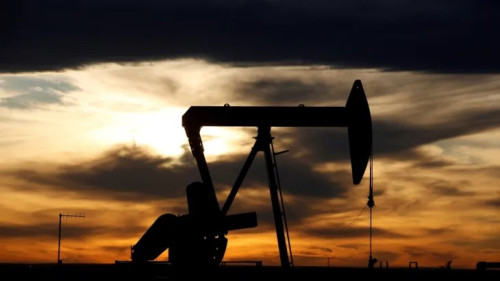
Oil prices extended yesterday’s losses ahead of a meeting of the Organisation of the Petroleum Exporting Countries and other top producers this week, where they will debate winding back output cuts that have been in place for the better part of a year as they eye prices at 13-month highs.
Key figures around 0820 GMT
Tokyo – Nikkei 225: DOWN 0.9% at 29,408.17 (close)
Hong Kong – Hang Seng: DOWN 1.2% at 29,095.86 (close)
Shanghai – Composite: DOWN 1.2 at 3,508.59 (close)
London – FTSE 100: DOWN 0.3% at 6,566.24
Euro/dollar: DOWN at US$1.2010 from US$1.2050 at 2130 GMT
Pound/dollar: DOWN at US$1.3882 from US$1.3925
Euro/pound: UP at 86.52 pence from 86.51 pence
Dollar/yen: UP at ¥106.79 from ¥106.76
West Texas Intermediate: DOWN 0.9% at US$60.10 per barrel
Brent North Sea crude: DOWN 1.0% at US$63.06 per barrel
New York – Dow: UP 2.0% at 31,535.51 (close). – AFP, March 2, 2021