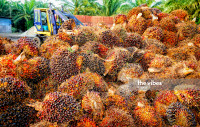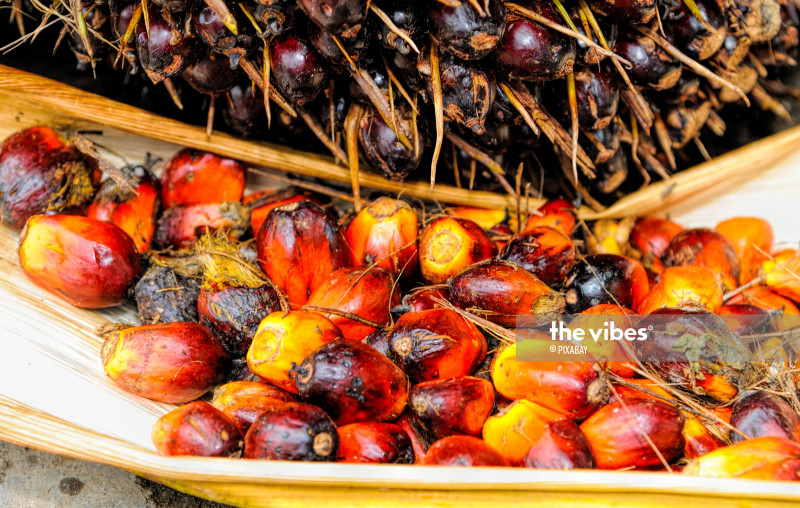
KUALA LUMPUR – The export value of palm oil and its related products is targeted to increase to RM75 billion this year from RM73.3 billion in 2020 due to high demand as economies around the world gradually recover from the impact of Covid-19, said the Plantation Industries and Commodities Ministry.
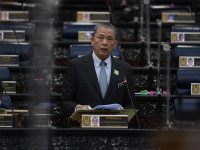
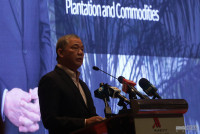
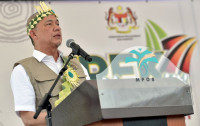
Minister Datuk Mohd Khairuddin Aman Razali said the country’s economic recovery initiatives, including the recently launched national vaccination programme, will enhance the industry.
“We hope that now with the vaccination programme under way, the industry will be stronger and more nimble, so as to improve (export) performance.
“We also hope that the country’s recovering economy will drive improvement in palm oil prices and raise other commodity sectors,” he told a press conference after attending a ministry event here today.
He said the agri-commodity sector last year recorded a positive trade value of RM191.7 billion, an increase of 14.1% from the RM168.1 billion logged in 2019.
Of the total, exports accounted for RM150.5 billion, and imports, RM41.2 billion.
The successes recorded by the sector include an increase in palm oil exports (RM73.3 billion in 2020 from RM63.73 billion a year earlier), exports worth RM22 billion in the timber industry, rubber (RM48.5 billion), cocoa (RM6.2 billion), kenaf and tobacco (RM329.02 million), and pepper (RM120.8 million).
“This is a blessing in disguise. With the Covid-19 outbreak worldwide, the commodity sector, especially palm oil and rubber, has recorded very good development,” said Khairuddin.
“The price of CPO (crude palm oil) recently rose by more than RM4,000 per tonne, the highest in 25 years, enabling companies that suffered losses in the first quarter of 2020 to make huge profits in the second, third and fourth quarters, as well as bear past losses.”
This year, the ministry aims to increase timber export revenue to RM23 billion, as well as see a 6% rise in rubber export growth.
Khairuddin said the ministry will step up efforts to add value to rubber by mobilising the East Coast Latex Corridor in Terengganu to increase production.
“We aim to increase the size of kenaf plantations to provide a large supply to the industry at the downstream level, while for the pepper industry, we have developed crop integration with an oil palm pilot project.
“It involves vacant areas in oil palm plantations that are used to cultivate pepper. So far, this project has been successfully carried out with 28 oil palm smallholders.” – Bernama, March 9, 2021