SHANGHAI – Tighter regulations, billions in lost overseas share value, and government pledges to get even tougher – Chinese tech giants are reeling under what looks like a sustained Big Brother assault on innovation and enterprise.
But, there is a reason why the escalating crackdown is largely drawing shrugs from Chinese consumers: it is widely seen as necessary.
Concern is rising in China over chaotic online lending, and accusations of powerful platforms squeezing merchants and misusing consumer data, reflecting global unease with Big Tech that has Facebook, Google and others also facing scrutiny at home and abroad.
“With China, it immediately becomes about the Communist Party. But if the UK government were doing this, people would probably be OK with it,” said Jeffrey Towson, head of research at Asia Tech Strategy.
“These actions look quite reasonable.”
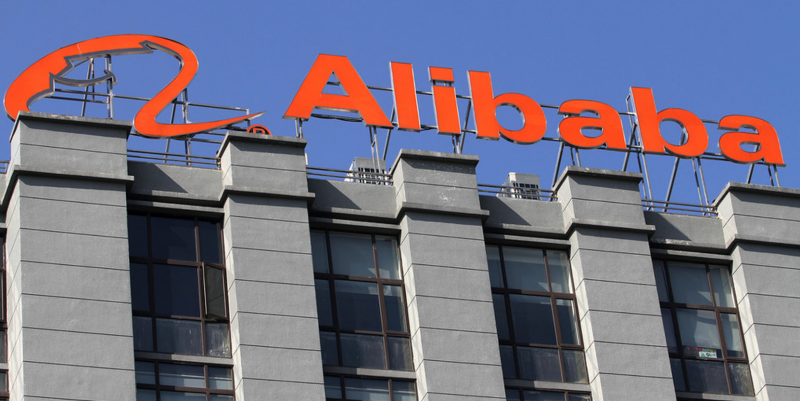
Companies such as e-commerce giants Alibaba and JD.com, along with messaging-and-gaming colossus Tencent, are among the world’s most valuable businesses, feasting on growing Chinese digital lifestyles and a government ban on major United States competitors.
But, they have become victims of their own success.
The troubles burst into public view last October, when Alibaba co-founder Jack Ma committed the cardinal sin of publicly criticising China’s regulators for their increasingly dire warnings concerning his company’s financial arm, Ant Group.
Ant’s Alipay platform is ubiquitous in China, used to buy everything from meals to ride-hailing services, groceries and travel tickets.
Slow-footed regulatory oversight also allowed Ant to expand into loans, wealth management, and even insurance. Tencent’s fintech profile, too, has risen.
Consequently, they have become “overly powerful actors capable of pushing regulatory boundaries without regard for systemic risks”, said the Eurasia Group consultancy in a research note.
These ambitions have collided with Beijing’s years-long campaign to purge its chaotic financial system of a dangerous debt build-up.
Size matters
Chinese debt spiralled to 335% of gross domestic product by the end of 2020, according to the Institute of International Finance. Previous lower levels had already prompted International Monetary Fund concern.
The official response to Ma’s unusual outburst has been uncompromising: Ant’s record-breaking US$35 billion (RM143.76 billion) Hong Kong-Shanghai initial public offering was abruptly suspended, Ma disappeared from public view for weeks, and regulatory screws have been tightened.
China is expected to force Ant and Tencent to begin running their lending operations like banks, with resulting higher scrutiny and financial liability – things the fintech leaders have largely avoided.
“They’ll have to meet capital requirements and set up financial holding companies. They can’t escape it,” said Ke Yan, lead analyst at DZT Research.
The Wall Street Journal reported last week that Alibaba is also being pushed to shed wide-ranging media assets, including a potential sale of Hong Kong’s South China Morning Post.
The tumult has sliced billions off Chinese tech firms’ share values.
In China’s crackdown, size matters.
While just over 20% of US retail spending takes place online, China is forecast to surpass 50% this year. Major Chinese platforms boast hundreds of millions of users, amplifying concerns about industry concentration and data privacy.
Ma’s outburst was seen by many as a direct Big Tech challenge to Communist Party authority and influence.
But, Ke said: “I don’t think (the crackdown) was triggered by Jack Ma. It’s been planned for a long time.”
Unease over tech’s growing influence is not unique to China.
“Most major governments globally are focused on this issue in a way they weren’t two years ago. Everyone seems to think that Big Tech has gotten too powerful,” said Towson.
‘Very China approach’
Such crackdowns are not unusual in China.
Its economy has transformed so rapidly in recent decades that regulators often play catch-up, eventually making headlines with clampdowns that analysts said are often necessary – though belated – attempts to address problems that appear.
“It’s a very China approach: ‘Let it run to not stifle innovation, and we’ll step in a bit later,’” said Towson, adding that Beijing is “rightfully concerned” about how fast fintech has grown.
Many Chinese web users said the crackdown should have come sooner. Consumers increasingly express privacy concerns as the use of facial recognition and other advanced technologies expands in China.
More measures could be coming. President Xi Jinping last week called for tightened oversight to prevent online monopolies and financial chaos.
This could “break down the walled gardens built by Alibaba and Tencent”, said Eurasia Group, leading to a “more level playing field for smaller companies, and better choices for consumers”.
Ant’s eventual IPO is expected to be severely trimmed, but China’s moves are “unlikely (to) materially change the competitive landscape and potential growth” in such a crucial sector, said investment group CLSA in a research report.
“Regulatory risks are overstated.”
It may take time for the “dust to settle”, said Ke, but he added: “there is still huge growth behind these companies.” – AFP, March 21, 2021