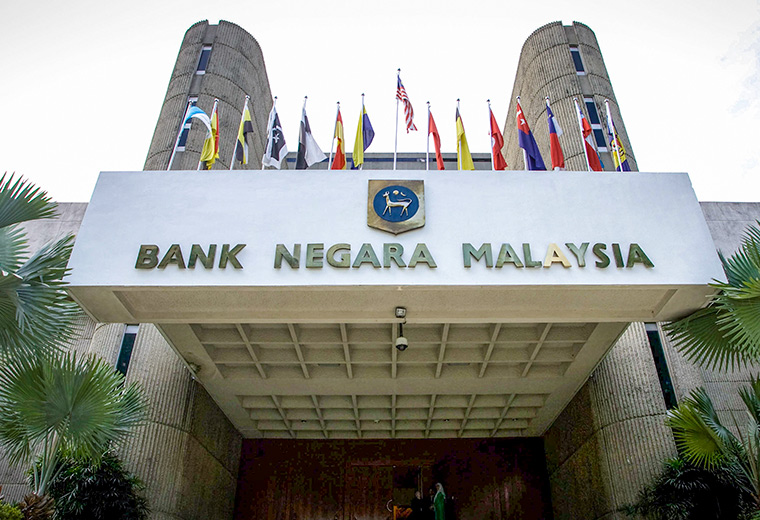
KUALA LUMPUR – The financial performance of Malaysian non-financial corporates (NFCs) deteriorated in the first half (H1) of 2020, amid significant business disruptions and weak demand across most sectors due to widespread lockdowns in Malaysia and other countries to contain the spread of the virus, according to Bank Negara Malaysia (BNM).
It said while businesses have started to recover with the gradual easing of the MCO since May, the recovery has been uneven.
“The tourism-related and services industries were notably among the most impacted by the pandemic, as revenues fell sharply following lower inbound passenger loads and reduced spending on non-essential services.
“Restrictions on air travel also weighed heavily on global oil demand, disrupting the recovery of firms in the oil and gas sector observed in late 2019,” BNM said in its Financial Stability Review – First Half 2020 report released today.
Bank loans to vulnerable sectors such as wholesale and retail stood at 18.1%, followed by real estate (17.7%), construction (14.5%), tourism-related (7%) and oil and gas (1.1%).
However, the central bank said more recently, the wholesale and retail sector has seen a gradual recovery following the easing of mobility restrictions post-MCO.
It observed improvements in the manufacturing sector, notably within the electrical and electronics and medical product segments, which have benefitted from a backlog of orders due to the MCO.
In the real estate sector, activity has picked up slightly in recent months although conditions remain challenging.
“While the overall debt-servicing capacity of NFCs has weakened due to the significant impact of Covid-19, it remained above the prudent threshold reflecting reasonably healthy initial financial conditions before the pandemic,” it said.
The number of firms with an investment to capital ratio of less than two times rose to 32.1% of listed firms as at June 2020 (December 2019: 28.1%) despite liquidity positions improving slightly from the first quarter of 2020 as firms conserved cash reserves.
The central bank said that the share of firms at risk is expected to rise further by the end of this year as more businesses may struggle to adapt to new operating conditions.
Total outstanding debt of the NFC sector grew by 3.8% annually to RM1.6 trillion or 108.1% of Gross Domestic Product as at June 2020, mainly attributed to lower repayments due to the moratorium and an increase in working capital loans.
Aggregate new loans disbursed to NFCs, however, declined (-3.4%) as demand for financing moderated sharply and banks re-assessed business sector risks.
In the capital market, refinancing risks remain low with corporates observed to continue to be able to raise funding during this period. – Bernama, October 14, 2020