Business

Aussie mining giants back 2050 net-zero carbon target

This ups pressure on coal-championing govt to follow suit

Updated 5 years ago · Published on 01 Oct 2021 7:30PM

Aussie mining giants back 2050 net-zero carbon target
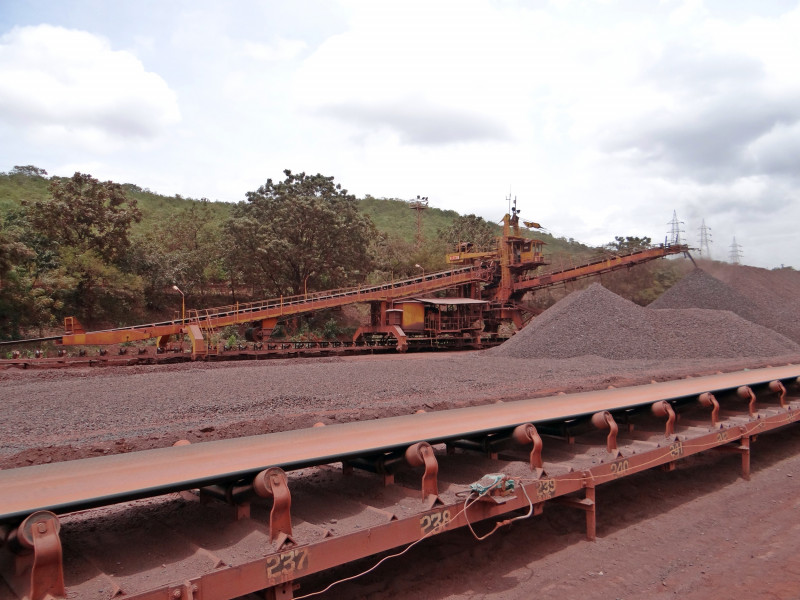
The Minerals Council of Australia, which represents mining heavy hitters like BHP and Rio Tinto, says the 2050 net-zero carbon target is achievable through ‘significant investment in technology’. – Pixabay pic, October 1, 2021

SYDNEY – Australia’s powerful mining sector has backed a 2050 net-zero carbon target, heaping pressure on the country’s coal-championing government to follow suit.

The Minerals Council of Australia, which represents mining heavy hitters like BHP and Rio Tinto, said a 2050 target is achievable through “significant investment in technology”.

“A more sustainable minerals sector is not only important for Australia’s post-Covid-19 recovery, but it is also helping to sustain and improve the lives of millions around the world,” said chief executive Tania Constable.

The country is currently one of the world’s leading exporters of fossil fuels, particularly coal and natural gas.

Its government continues to fund new coal projects despite the global climate crisis and mounting questions on whether new mines make economic sense.

Conservative Prime Minister Scott Morrison has so far shied away from setting a net-zero carbon emissions target, despite pressure from the United States, Britain and other allies ahead of climate talks in Glasgow.

He has threatened to boycott the landmark United Nations climate summit, which begins late this month.

At the same time, his government has slowly shifted focus away from a 2030 carbon-neutral target to a less-ambitious 2050 target – which critics said is too little, too late.

A series of senior figures within Morrison’s administration, and now closely tied industry groups, have backed the 2050 target publicly.

But, there is still division within the ruling coalition.

Morrison faces re-election before May next year, and will almost certainly need the stridently pro-coal and climate-sceptic National Party to form a government.

Polls have shown that most Australians favour concrete action to tackle climate change, with those calls only intensifying following a string of climate-worsened bushfires and other natural disasters. – AFP, October 1, 2021


Related News

Events / 1mth

‘We need to work together to combat threats of climate change’ – Sarawak deputy premier

Events / 1mth

MBPP President shares valuable insights at zero-waste conference 

Events / 1mth

Sarawak and Sabah play key roles in weathering climate change

Malaysia / 2mth

Penang-born woman dies in Perth after alleged domestic violence assault

Malaysia / 7mth

Malaysia, Australia back Pope Leo's call for peace, urge dialogue to end global conflicts

Events / 9mth

MoU inked for greater climate resilience

Spotlight

Malaysia

Disputed Sungei Ujong Undang to face sedition charge tomorrow

Malaysia

Cabinet to weigh US tariff threat as Malaysia defends 19% trade ceiling

Malaysia

Announcement on Negeri MB will come from Istana – Ahmad Zahid

Malaysia

Inspector Sheila challenges police dismissal over alleged denial of fair hearing

Malaysia

Drug syndicate moved 3 tonnes of syabu worth RM156m through RMAF bases in Sabah

Malaysia

Fire destroys 90 per cent of Putrajaya apartment unit

Malaysia

Govt studying age restrictions, verification measures for online gaming platforms

Malaysia

40,214 cyberbullying-related posts removed as MCMC steps up child safety enforcement

You may be interested

Business

Oil prices rebound on Middle East supply fears

Business

South Korean robotic parking company explores opportunities in Malaysia

By Ian McIntyre

Business

MAG to add 10 Boeing Dreamliners in long-term fleet expansion drive

Business

SMEs face higher costs as LHDN stamp duty interpretation covers purchase orders, quotations

Business

Matrix Concepts founder honoured as FIABCI Malaysia Property Man of the Year 2026

Business

Ringgit slides as oil rebounds against renewed Middle East supply threats