TOKYO – Japan’s economy shrank far more than expected in the three months to September, as a surge in virus cases hit spending and supply chain issues hampered business, data showed today.
The world’s third-largest economy shrank 0.8% quarter-on-quarter, much worse than the 0.2% economists had forecast.
The contraction was driven in part by a 1.2% dip in household consumption that tracked the imposition of a virus state of emergency over the summer, when Japan saw its worst-ever Covid-19 surge.
Also weighing heavily was a drop in non-residential investment, which plunged 3.8% on a chip shortage and supply chain issues that weighed on factory output.
Exports – another key factor driving Japan’s economy – were down, with vehicle exports stalling over a shortage of semiconductor components, though imports of goods and services also dropped, making net trade a slight positive overall for gross domestic product (GDP) growth.
The data, issued by the Cabinet Office, revised the figure for the second quarter (Q2) to June to 0.4% growth.
Virus cases surged in Japan over the summer, after a slow start to the country’s vaccination campaign, and the government imposed a virus state of emergency that limited restaurant and bar opening hours and alcohol sales.
The Olympics went ahead during the period, despite calls for its cancellation, but foreign spectators and almost all domestic fans were barred.
Analysts said the slowdown is likely shortlived as Japan’s vaccination programme has picked up speed, with the government lifting virus restrictions in October.
“For Q4, if the virus cases are kept low, consumption will probably bounce back strongly,” said Takashi Miwa, economist at Nomura Securities.
But he warned that “some companies say the impact on production from the supply issues may continue until December”.
Stimulus package
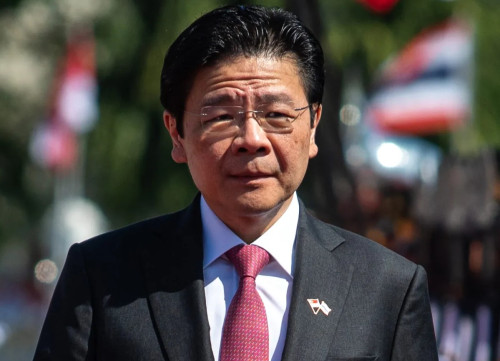
Prime Minister Fumio Kishida has vowed to shore up economic growth after a series of hits from the virus.
He is expected to announce an economic stimulus package worth hundreds of billions of dollars this week, and his government has pledged to provide vaccine booster shots as early as next month.
“The fiscal measures include Covid-19 relief spending, business support, childcare and education vouchers, as well as cash handouts,” said Robert Carnell, Asia-Pacific regional head of research at ING.
“But there will likely be some double-counting and inclusion of soft-loan and allowance figures that have a habit of being undrawn and are, in any case, not ‘no-strings’ support,” he cautioned.
The stimulus package is unlikely to come in time to lift this quarter’s GDP, but it “could provide some support to the 2022 growth profile”, Carnell added.
Tom Learmouth, Japan economist at Capital Economics, said he expects GDP “to regain its pre-virus level this quarter”.
“With daily cases now very low and most restrictions lifted, economic activity should be bouncing back strongly,” he said in a note.
“And with 75% of the population double-jabbed, Japan’s vaccination coverage is now high. As such, any future resurgence in virus cases shouldn’t prevent consumer spending from recovering further over the coming months.” – AFP, November 15, 2021