KUALA LUMPUR – Malaysia is intensifying its efforts to boost demand for palm oil and rubber, and is ready to meet the encouraging demand for the commodities, said the Plantation Industries and Commodities Ministry (MPIC).
MPIC said it is engaging with Egyptian and Qatari agri-commodity players to propose several initiatives, including a proposal to include Malaysian palm oil in the Egyptian Food Subsidy Scheme.
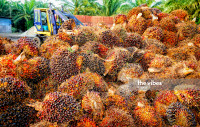
In a statement today, MPIC said the Malaysian Palm Oil Board anticipates crude palm oil production to improve by 4.9% to 19 million tonnes this year, from 18.12 million tonnes in 2021.
“This would increase palm oil stocks by 21.1% to 1.95 million tonnes in 2022, from 1.61 million tonnes in 2021.
“This is excellent news for industry players and market onlookers, as it shows that Malaysia is prepared to meet the encouraging demand for palm oil from the market, including from Egypt and Qatar,” it said.
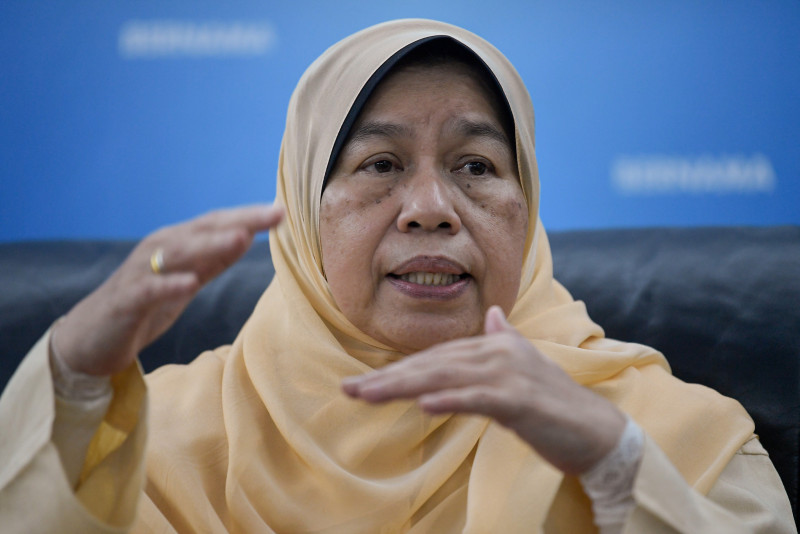
To increase exports of Malaysian commodities, especially palm oil, Plantation Industries and Commodities Minister Datuk Zuraida Kamaruddin conducted an economic and agri-commodities promotion mission to Egypt and Qatar from April 16-20.
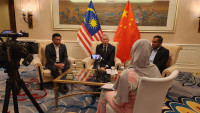
During the mission, the minister chaired a roundtable meeting with Egyptian and Qatari agri-commodity players, as part of MPIC’s initiatives to promote Malaysian agri-commodity products.
The roundtable discussions covered trade promotional activities, business cooperation, and information exchanges between governments and key players from within the industry, particularly for palm oil, rubber, and timber products.
The minister had also encouraged Qatari investors to collaborate with Malaysian manufacturers experienced in the formulation and production of rubber products.
“They can leverage Malaysia’s position as one of the world’s main exporters of rubber products, as well as the free trade agreement between Malaysia and other Asean countries, where most rubber products have zero import tariff,” said Zuraida.
She said Malaysia is also offering its expertise to Qatar in developing rubberised roads – a technique developed by the Malaysian Rubber Board to prolong the lifespan of bitumen road surface by using cuplump modified asphalt for road construction or resurfacing works.
“There were also proposals from Qatar and Egypt to invest with Malaysian companies to set up production facilities in Malaysia.
“This is seen as a strategic move that will accelerate commodity exports to that region,” she said. – Bernama, April 21, 2022