HONG KONG – Optimism about a virus vaccine helped push Asian markets higher today while traders were also cheered by a pledge from United States president-elect Joe Biden’s team that they were not planning an economically damaging nationwide lockdown despite surging cases.
However, while there is growing expectation a treatment will be available in the new year, gains were tempered by worries about a spike in the disease in the US and across Europe.
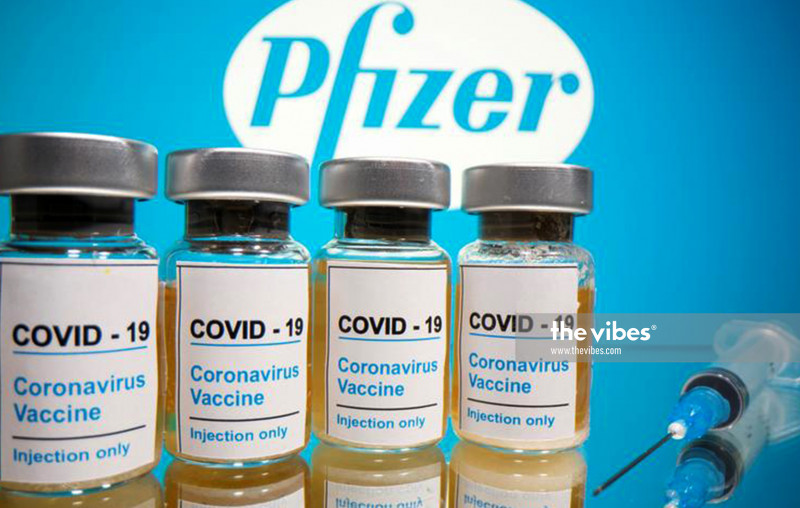
After a painful October, equities have enjoyed a huge bounce this month after Biden’s election win, which was followed by news that Pfizer and BioNTech’s vaccine candidate had proved 90% effective, lifting hopes the world can soon begin returning to normal.
“The vaccine enthusiasm booster shot remains the dominant narrative, even with surging infections across the US: now more than 1 million since the start of November,” said Axi strategist Stephen Innes.
“Indeed, the vaccine could prove to be the ultimate market backstop and recessionary economic plugger.”
Tokyo led the gains, jumping 1.7%, helped by news that the world’s number three economy had surged out of recession in the third quarter, expanding a forecast-beating 5% thanks to a pick-up in domestic demand and exports.
Sydney rose 1.2% before trading was suspended owing to what the stock exchange said were data issues.
Seoul, Taipei, and Singapore added more than 1%, while Hong Kong, Shanghai, Jakarta, and Wellington were also up.
The gains came after another strong performance on Wall Street, where the S&P 500 finished at a record high. All three main New York indexes were up in futures trading.
Traders also cheered the signing of the world’s biggest free-trade deal by 15 Asia-Pacific countries yesterday, including Japan and China, that covers about a third of the planet’s GDP.
The upbeat mood was helped by one of Biden’s advisers saying the incoming president would not impose a national lockdown to contain the virus, which has now infected more than 11 million Americans.
Instead, Vivek Murthy said officials would use targeted measures to limit the disease’s spread, preferring to protect people’s jobs and the already shaky economic recovery. – AFP, November 16, 2020

.jpg)
.jpg)