SYDNEY – Australia has exited its first recession in almost 30 years, after official figures released today showed that the economy grew 3.3% in the July-September period compared with the previous quarter.
With the local transmission of Covid-19 largely under control, official data showed that businesses have begun to rebound and consumer spending has surged.
The Australian Bureau of Statistics said household spending largely drove the economic bounce, rising 7.9% compared with the previous quarter.
However, central bank governor Philip Lowe warned that the positive economic indicators mask lingering difficulties.
“These figures... cannot hide the reality that the recovery will be uneven and bumpy, and that it will be drawn out. Some parts of the economy are doing quite well, but others are in considerable difficulty,” he told lawmakers today.
The central bank has predicted that the country’s economy will not return to pre-pandemic levels until the end of 2021.
The economy has yet to fully recover from the coronavirus-fuelled recession, recording a 3.8% slump for the year to September.
The return to economic growth followed a record 7% decline in the June quarter and a 0.3% dip in the first quarter of 2020.
A recession is defined as two successive quarters of negative economic growth.
The positive growth comes despite Victoria state – which accounts for about 25% of Australia’s economic output – spending much of the September quarter in one of the world’s strictest lockdowns, curtailing economic activity there.
In a pattern repeated across the globe, economic shutdowns to curb the spread of Covid-19 sent Australia tumbling into recession as whole industries ground to a halt.
Around a million people lost their jobs and many more were forced to take pay cuts or saw their hours slashed.
In response, the government and central bank have embarked on a vast stimulus spending programme, pumping billions into the economy to avert a full-blown depression.
Last month, the Reserve Bank of Australia also cut interest rates to a record low of 0.1% as it attempted to help hasten the recovery.
Higher unemployment is expected to linger, with the jobless rate rising to 7% in October.
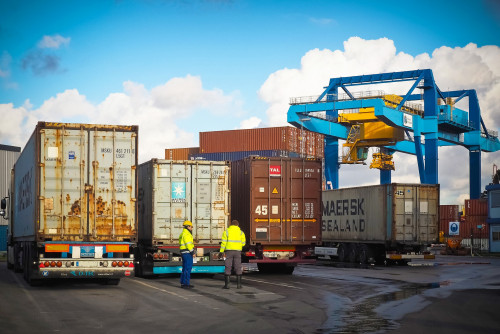
Closed borders continue to drag on the economy, with trade detracting 1.9 percentage points from the gross domestic product in the September quarter as exports fell due to weaker demand for Australian mining commodities and travel restrictions.
Today’s figures are roughly in line with economists’ expectations, coming as Australia continues to roll back virus restrictions and open domestic borders after largely containing major outbreaks.
The country has been relatively successful in its pandemic health response to date, recording just under 28,000 cases and 980 deaths. – AFP, December 2, 2020



.jpg)