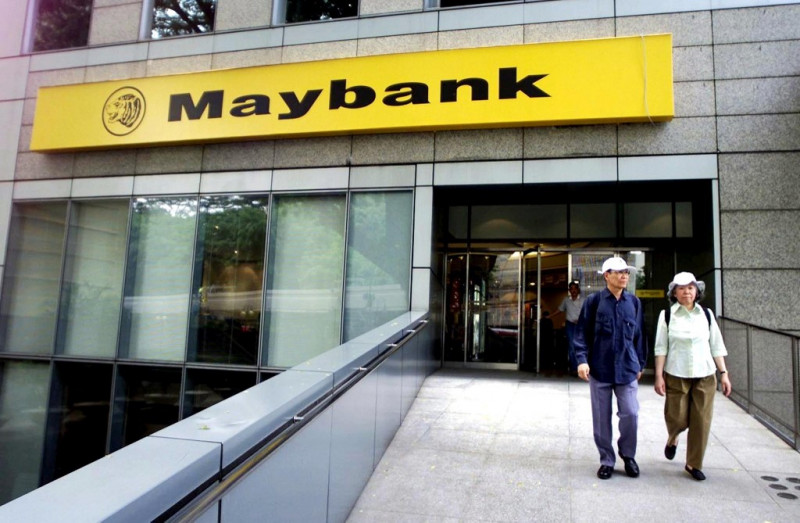
KUALA LUMPUR – It is important to keep the interest rate as low as possible to lessen the debt burden of businesses and households, as well as to stimulate investment and consumption in the country, said Bursa Malaysia Bhd chairman Tan Sri Abdul Wahid Omar.
Although the move would have a negative impact on banks’ net interest margin, the former Maybank president and chief executive officer (May 2008-2013) believes it is a small price to pay for banks to ensure their credit quality remains healthy during the Covid-19 pandemic.
“At the end of the day, when the interest rates are elevated, it will be impossible for households and businesses to carry the burden,” he said.
Citing an example of the low interest rate’s impact on a household with a RM500,000 housing loan, Wahid said a 1% interest rate reduction would reduce their debt by RM5,000 per year, or RM400 per month.
“That is how much of a difference it makes for each household,” he said at the PowerTalk Webinar themed “Moving Forward: Banking and Capital Market Trends” organised by the World Islamic Economic Forum (WIEF) and Securities Industry Development Corporation (SIDC) here today.
Wahid said the banking system and capital markets play critical roles in providing relief to borrowers and mobilising funds to finance the real economy.
"To me, a low-interest rate environment is good, and it is a necessity as we move forward until everything (the economy) recoveres,” said the former group chairman of Permodalan Nasional Bhd (PNB), one of the largest fund management companies in Malaysia.
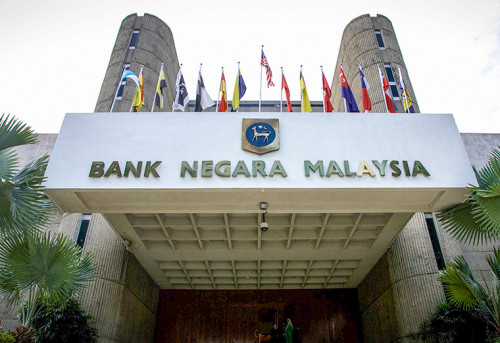
Bank Negara Malaysia has made a cumulative 125 basis-point cut in the overnight policy rate (OPR) thus far this year, bringing the interest rate to a record low of 1.75%.
To keep businesses afloat and people employed during the pandemic, Wahid said it was crucial to keep factories open and manufacturing capacity available to be able to meet demand when economies reopen.
In retrospect, he said, during the 2008-2009 global financial crisis, one of the strategies used back then was to keep manufacturing capacity available to ensure factories remained open.
“So, when demand returned, everything was in place, and we saw the rebound in 2009 and 2010,” he said.
He said Bursa Malaysia is projecting Malaysia’s gross domestic product (GDP) to contract by 5% in 2020, and rebound above 5% in 2021 with the reopening of economies and availability of the Covid-19 vaccine.
“Our forecast for 2021 might not as bullish as some other forecast... nevertheless, it is a decent rebound for 2021.” – Bernama, December 8, 2020