JAKARTA -- Seventeen like-minded countries (LMCs) including Malaysia have requested the European Union (EU) to consider producing countries’ concerns in the implemention of the EU Deforestation Regulation (EUDR).
According to the Indonesian Embassy in Brussels, the producing countries collectively expressed their concerns regarding the regulation, which came into force on June 29, via a joint letter signed by their ambassadors.
Besides Malaysia, the signatories are Argentina, Brazil, Bolivia, Colombia, the Dominican Republic, Ecuador, Ghana, Guatemala, Honduras, Indonesia, Ivory Coast, Mexico, Nigeria, Paraguay, Peru, and Thailand.
“The producing countries encourage EU leaders to intensify engagement with producing countries in formulating clear and detailed implementing acts and guidelines for the EUDR, including differentiated compliance and due diligence regimes for commodities and products from smallholders in producing countries,” the embassy said in a statement.
The joint letter also asked the EU to consider various courses of action, including acknowledging the efforts of producing countries in enhancing livelihood and sustainability practices as well as their challenges in accessing financing, new technologies, and technical assistance.
It called for implementing guidelines that adequately value both current and evolving local sustainable practices within agricultural value chains as a way of mitigating the negative effects of the EUDR.
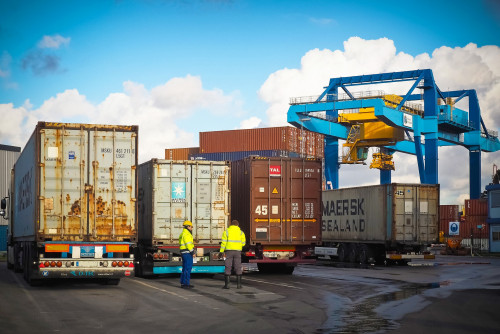
The letter also urges measures to prevent trade disruptions, including reducing excessive administrative burdens associated with geolocation and traceability requirements, certifications, and customs procedures.
According to the joint letter, the EUDR disregards local circumstances and capabilities, national legislations, certification mechanisms, the efforts to fight deforestation, and multilateral commitments of producer countries, including the principle of common but differentiated responsibilities.
“It also establishes an inherently discriminatory and punitive unilateral benchmarking system that is potentially inconsistent with World Trade Organisation obligations,” the statement said.
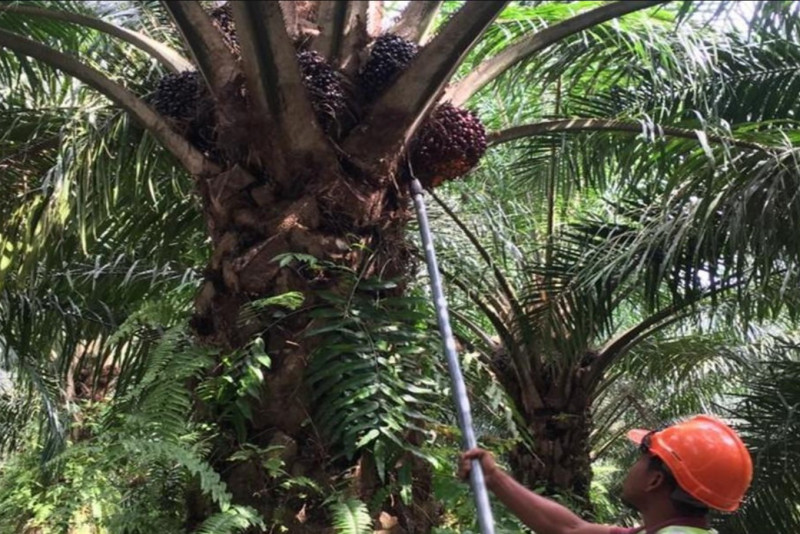
The EUDR primarily addresses the expansion of agricultural land that is linked to the production of soy, beef, palm oil, wood, cocoa, coffee, rubber, and their related products, including leather, chocolate, tyres, and furniture. – Bernama, September 8, 2023