.JPG)
COLOURFUL, typically hand drawn, traditional and full of patterns are some of the phrases used to describe the classic decorated fabric we know as ‘Batik’. Synonymous in the Southeast Asia region, Batik is created using a wax-resist dyeing technique believed to be an ancient art originating from Java.
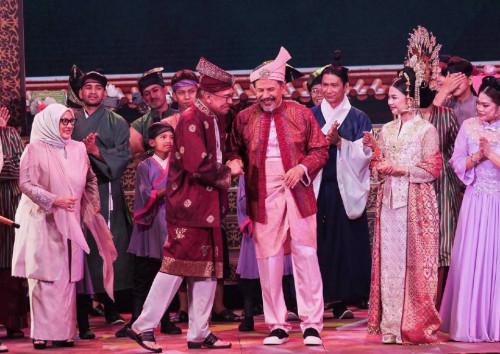
In the olden days, Batik was usually adorned as ‘sarong’ among the ladies to complement a traditional top and was considered a daily wardrobe staple. Nowadays, we often receive an invitation to a formal or exclusive event with Batik as the suggested themed attire.
In most government departments and agencies, ‘Batik Thursday’ was introduced to encourage government officers to wear Batik as office attire in support of Batik made in Malaysia. While people still prefer to dress up in Batik for formal functions, Batik is now also designed for casual wear.
This interest changes over a period of time. Today, Batik is not just worn as clothing apparel but also as fabric designs in accessories, shoes, furniture and painting.
.jpg)
Batik Sabah
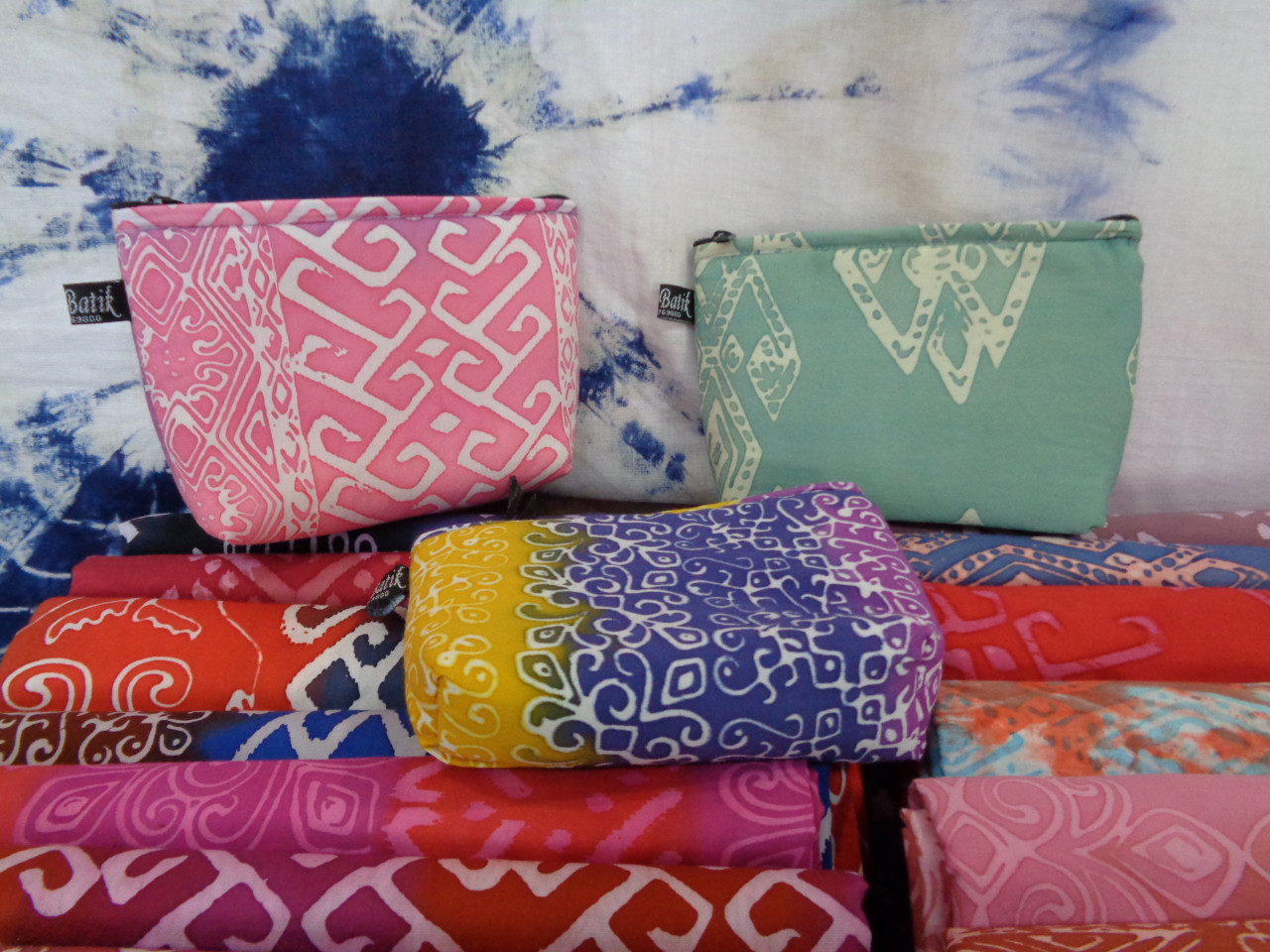
Here in the East of Malaysia, Sabah also produces and has its own Batik identification. Batik Sabah differs from the others because it showcases Sabah’s intricate traditional motifs in its designs.
According to Mustafa Alba, manager of Sabah Batik, Batik Sabah presents the unique indigenous motifs, patterns, flora and fauna synonymous with the state.
“There are more than 30 ethnics and sub-ethnics in Sabah and each represents a unique culture. Most of the motifs and patterns used in our Sabah Batik designs were inspired by traditional costumes, handicrafts and daily products produced by them”.
“For example, the Dastar woven fabric produced by the Iranun ethnic community from Kota Belud district has various motifs and patterns represented in a single woven fabric. Each of these carries a meaning and we used it as basic patterns for our batik,” he added.
Techniques
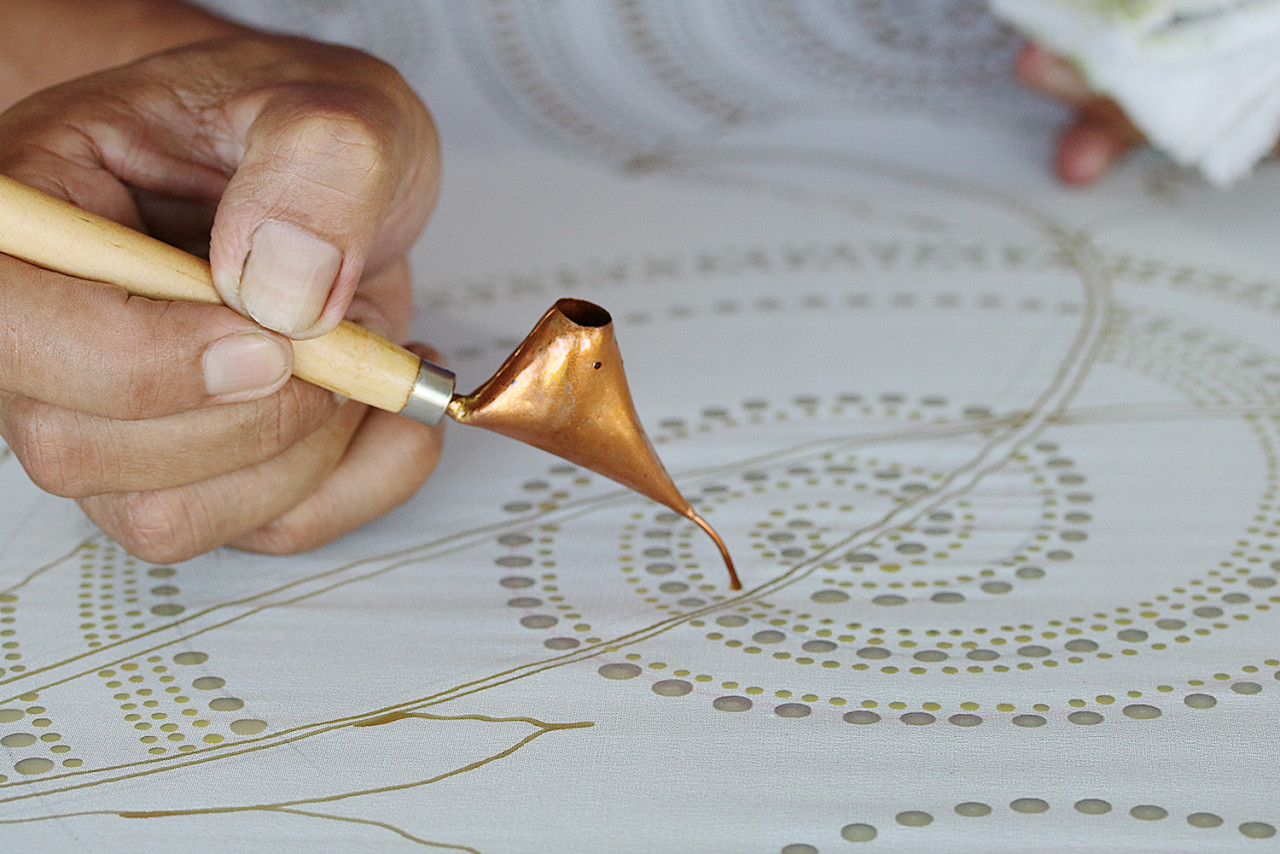
There are many techniques that can be used to design Batik, but the most common technique used here is canting. Gently, the artist will draw the patterns using a small pipe spout with liquid hot wax. For some, this graceful action seems therapeutic just to look at.
Sabah Batik, a company that produces local Batik based in Kampung Ramayah Putatan, often uses this technique to produce their designs. They also use the block, tie-dye and shibori technique to add variation.
The block and canting techniques appear to be a favourite among their customers. Mustafa believes this technique creates evergreen results and can be diversified into other products to fit the current interest and trend.
.JPG)
New kid on the block - Digital Printed Textile
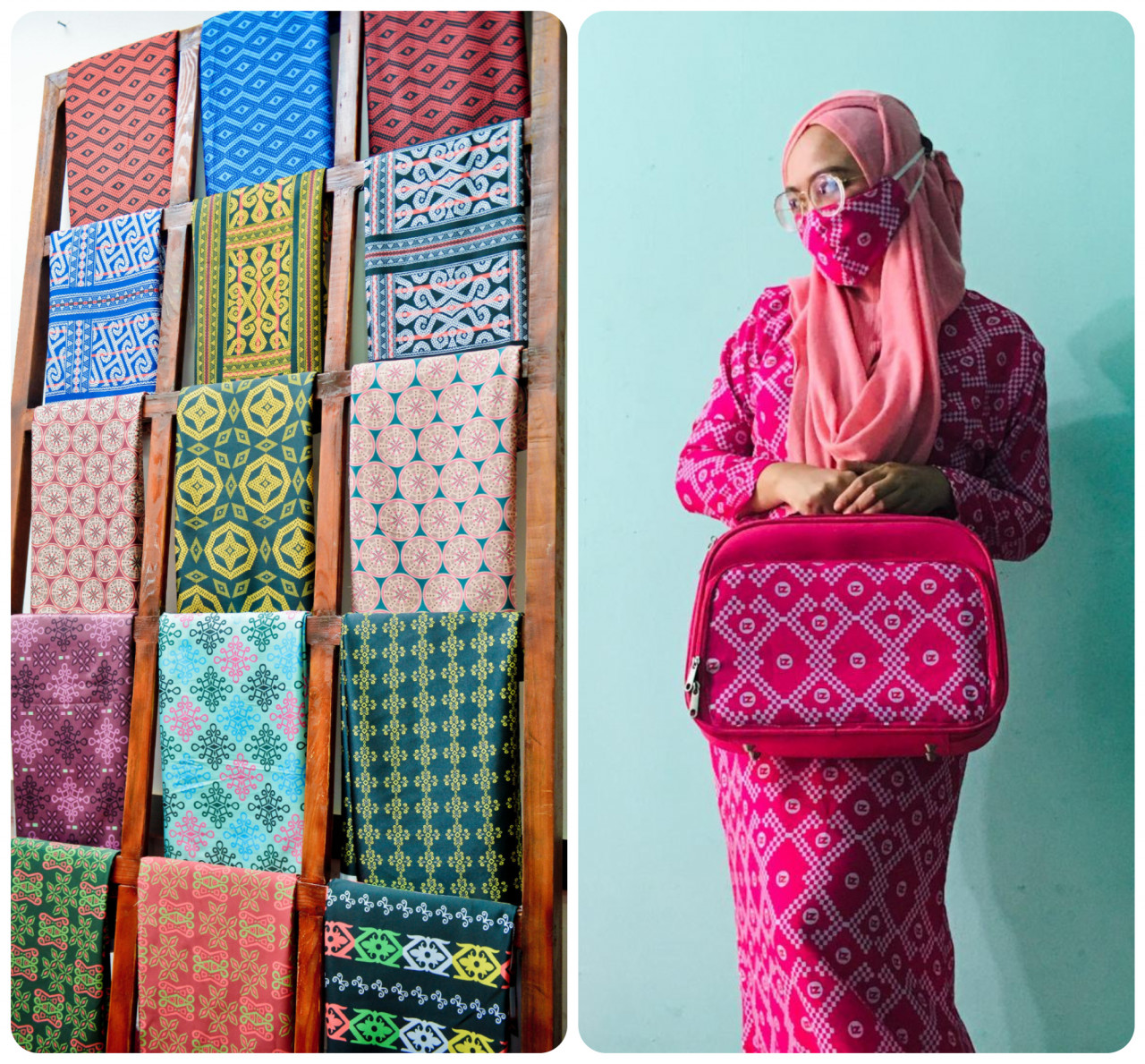
Digitisation is a word we’ve heard a lot in this century. Likewise, Batik Sabah has also evolved through ‘digitisation’.
Digital printed textile might not be new in the industry but the ‘Sabah’ patterns are quite a fresh design in the market. Moreover today, traditional patterns are now viewed as exotic, unique and trendy among the younger generation.
Kain Chanteek collection by Chanteek Borneo introduced digitally printed textiles emphasizing contemporary textile designs that feature Sabah’s cultural identity. Designs are planned and constructed using Computer Aided Design and Computer Aided Manufacturing (CAD-CAM) before applying the dye-sublimation method.
.jpg)
“Our best seller is the Rungus collection which design is similar to their traditional woven cloth Inavol. However our printed version was designed with a contemporary arrangement and more variation either on the background or on the colour of the motif to make it appealing and relevant with the current lifestyle,” said Anne Antah, founder of Chanteek Borneo.
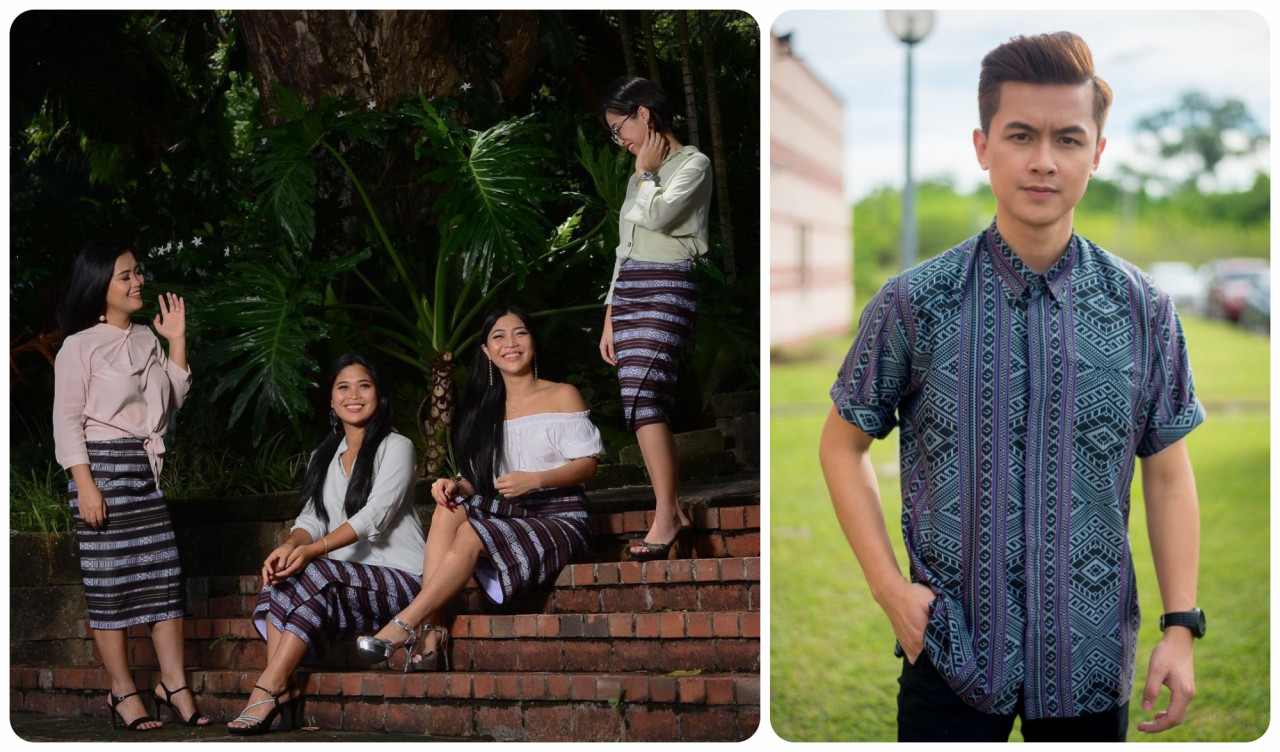
“The general market demand was overwhelming for Kain Chanteek, they could show their unique culture through their casual ready to-wear and corporate clothing. Sabah’s cultural motifs mostly represented by geometrical patterns and in a symmetrical form compared to the cultural motifs from Sarawak and Peninsular which is more of flowery imaged and organic patterns.”
Kain Chanteek textiles are normally polyester, iron-less and easy to care for which is often preferred by their consumers. These textiles are also available for purchase from their online store www.chanteekborneo.shop.
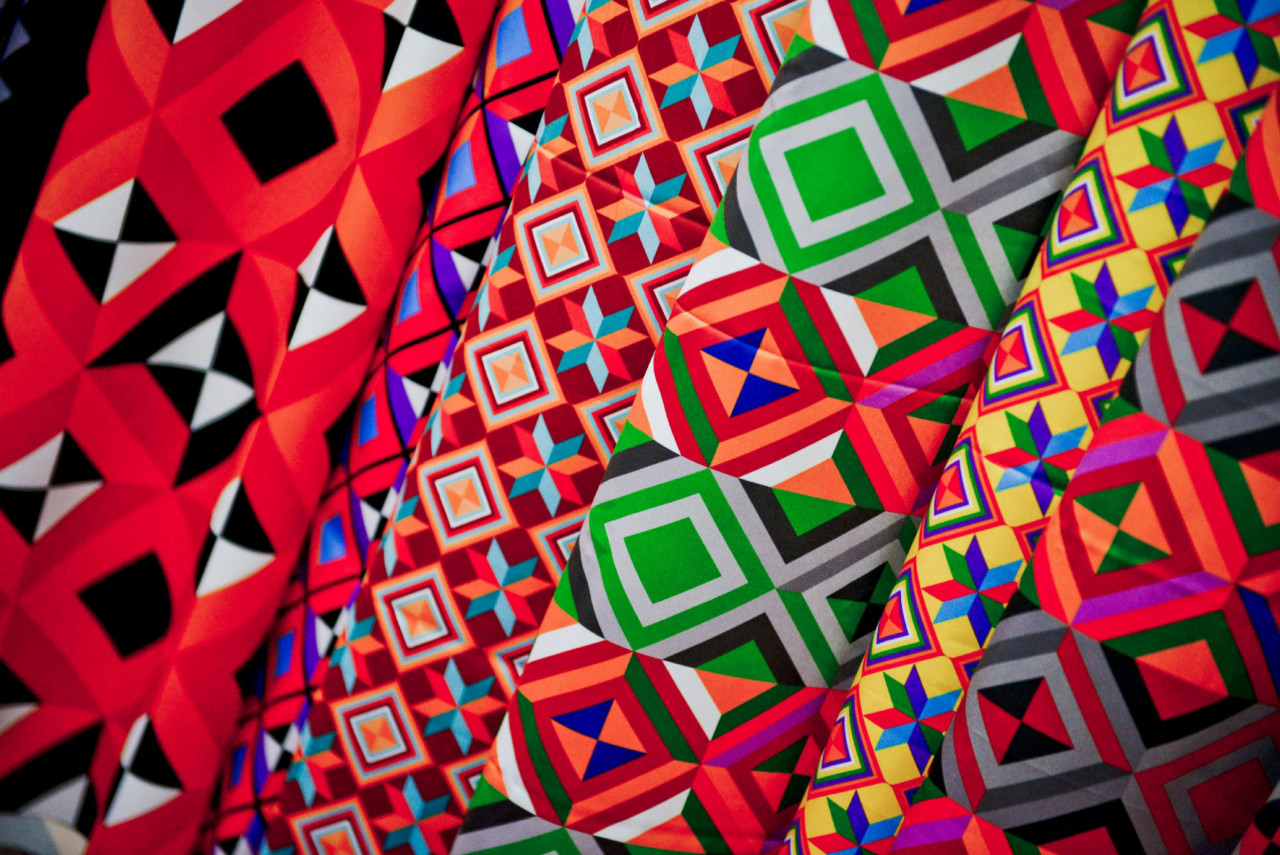
Versatility
The most common stereotype of Batik is that it’s either ‘old fashioned’ or ‘formal’. But as the designs and functions evolved, the consumer mindset has changed too.
Even though there are many options of fabrics in the market, Batik Sabah is still a sought after design. The evolution of batik design which is fitting with the current fashion trend has made it continuously accepted and now used beyond just clothing wear.
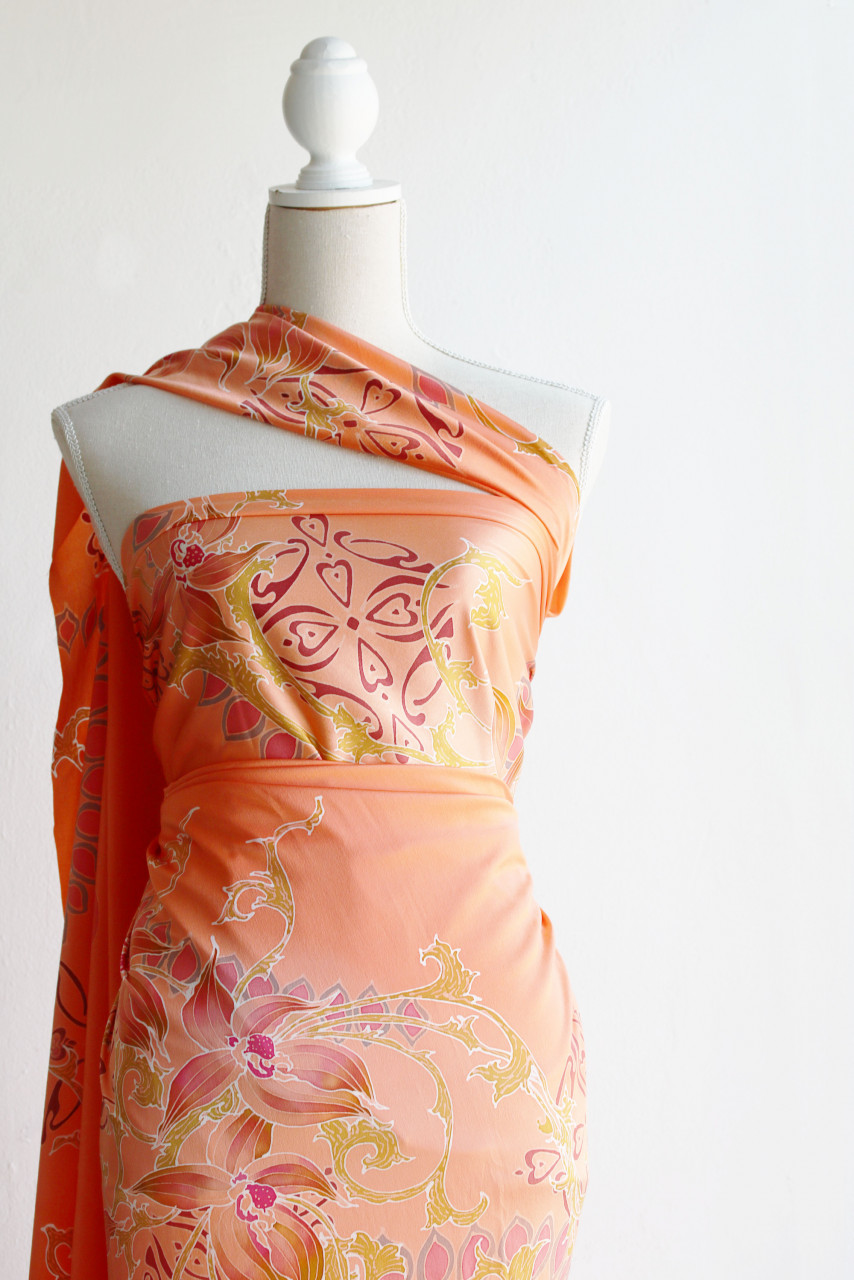
“Batik gained more exposure as a form of art and getting recognition and acceptance amongst the younger generation. With Batik, you can customize your design, thus you will have an exclusive design of your own. That’s how versatile Batik can be,” said Madam Zaiton Bakri, General Manager of Galleria Artisan.
“Our design always complements its wearer and is suitable for any occasion. Colour and designs can be selected by the wearer and with advice from our in-house designer,” she recommends.
Galleria Artisan is a gallery and retail store located in Menara Tun Mustapha and Sabah State Administrative Building, Kota Kinabalu. The gallery curates, promotes and markets handicraft products manufactured authentically by Sabah Handicraft Centre.
They also provide a platform for local handcrafters to market their products. Batik satin silk material and batik men shirt ready-to-wear cotton are among Galleria Artisan’s best-selling Batik clothing. Customers can also get their product at Sabah Handicraft Centre located in Keningau, Sabah.
It’s safe to say that Batik is generally a timeless piece. An abstract reflection of Sabah's colourful cultures. So the next time you are visiting Sabah, look out for our version of Batik!
Make it a fashion statement, a gift or perhaps as a personal souvenir that will remind you about this exotic place in Borneo island. More to discover about Sabah at www.sabahtourism.com. – The Vibes, February 13, 2021