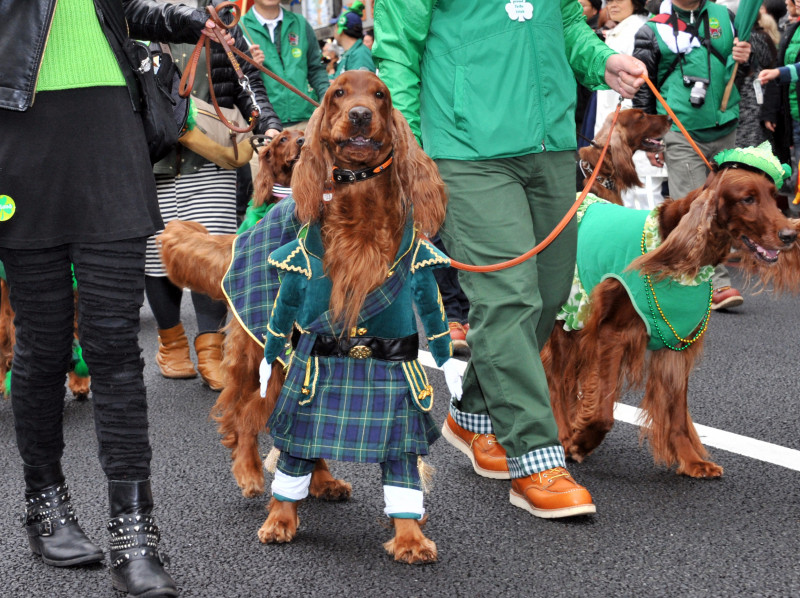

CELEBRATED almost everywhere you can find Irish bars around the world, St Patrick’s Day is not short of music, drinks, food and well, a lot of green.
But did you know the history of the holiday is more than what we have come to know today and includes a lot of folklore, symbolism and heritage?
Observed annually on March 17, the celebration commemorates the anniversary of St Patrick’s (a patron saint of Ireland and its national apostle) death, that Irish communities have seen as a religious holiday for over 1,000 years.
Evolution of St Patrick’s Day
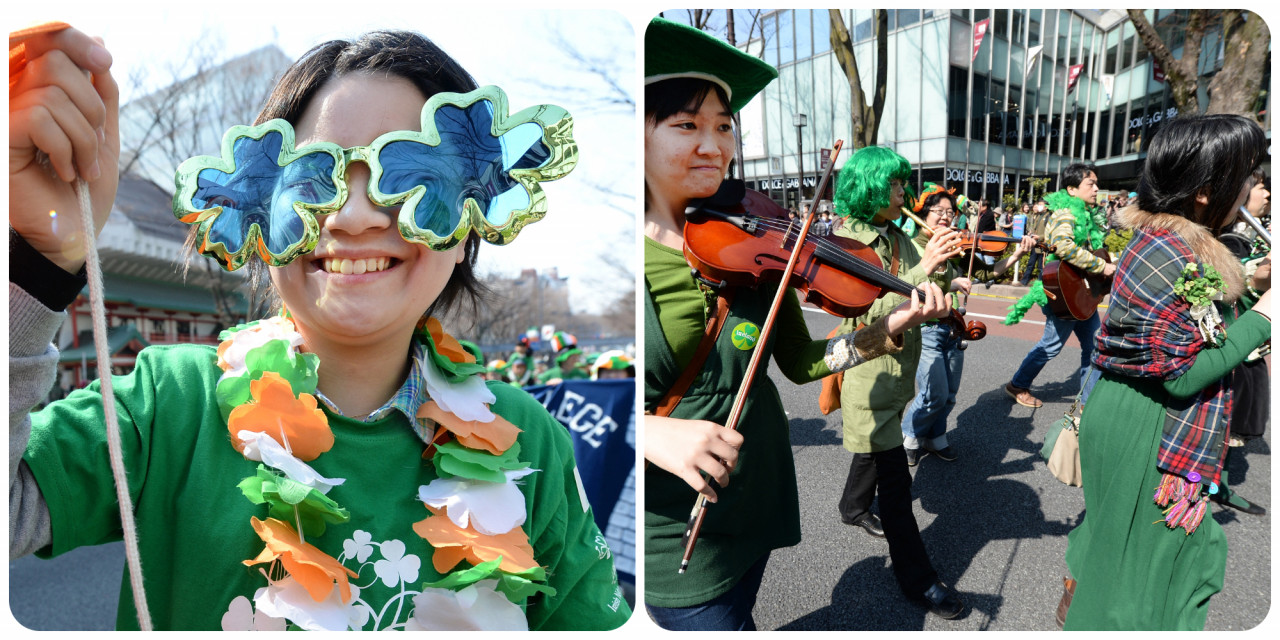
Little do most know, the first St Patrick’s Day parade happened in United States, specifically in 1601 in St. Augustine, Florida based on reports shared via history.com. It was organised by the colony’s Irish vicar, Ricardo Artur.
More than a century later, homesick Irish soldiers serving in the British military marched in New York City in 1772 to honour the saint. Enthusiasm for the parades grew bigger beyond American cities where over the next centuries, the Irish community around the world would celebrate St Patrick’s Day, commemorating the day in their own light.
What started out as traditionally a religious occasion, it has now become a way to drive tourism and showcase the Irish culture to the globe.
How will this year’s celebration be?
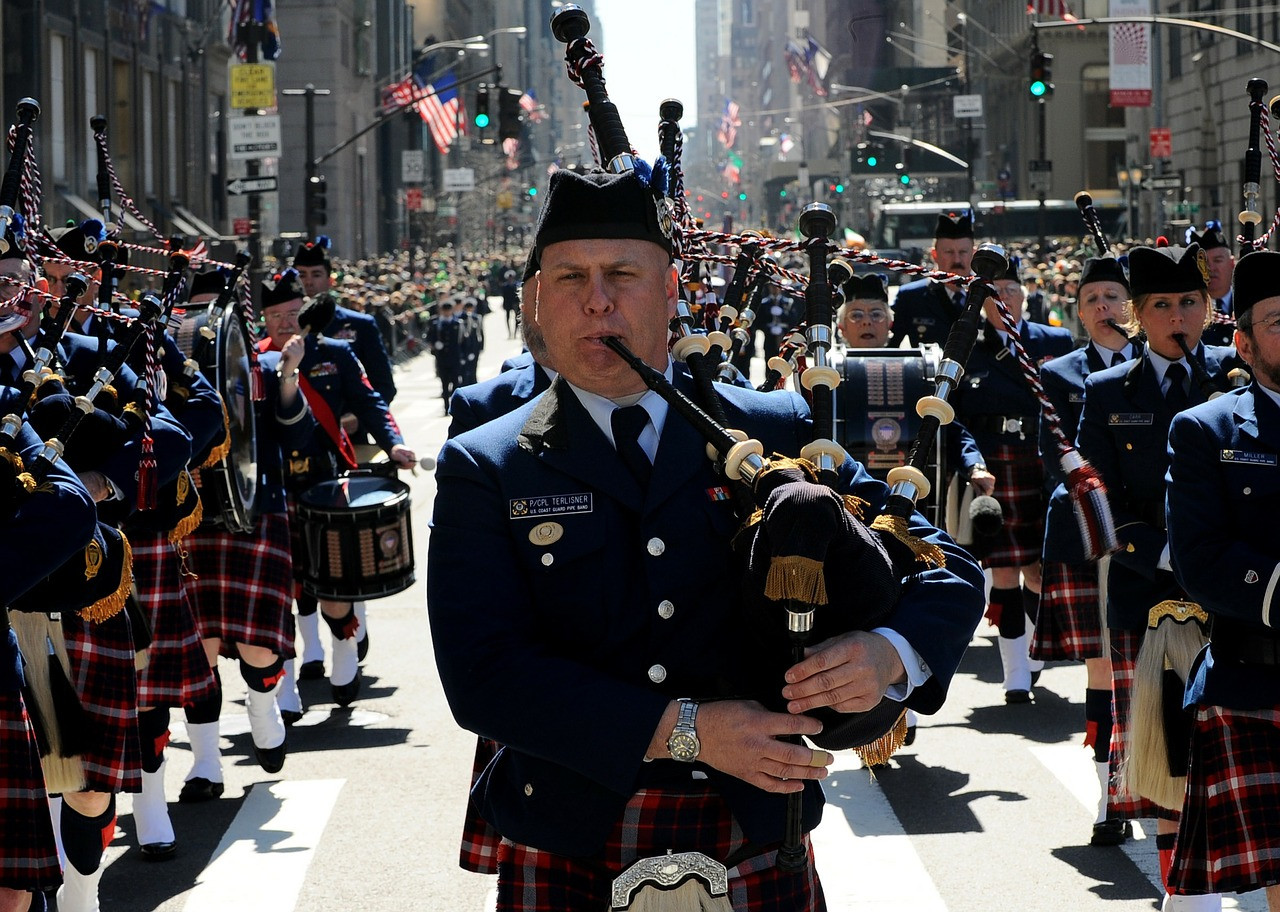
Falling during the Christian season of Lent, families would traditionally attend church in the morning and celebrate in the afternoon.
Here in Malaysia, St Patrick’s Day is not so much viewed as a religious function as told by St Patrick’s Society of Selangor hons. Secretary Bill Timmins.
“It is not essentially a religious festival or occasion, but closer to being a national day celebration instead."
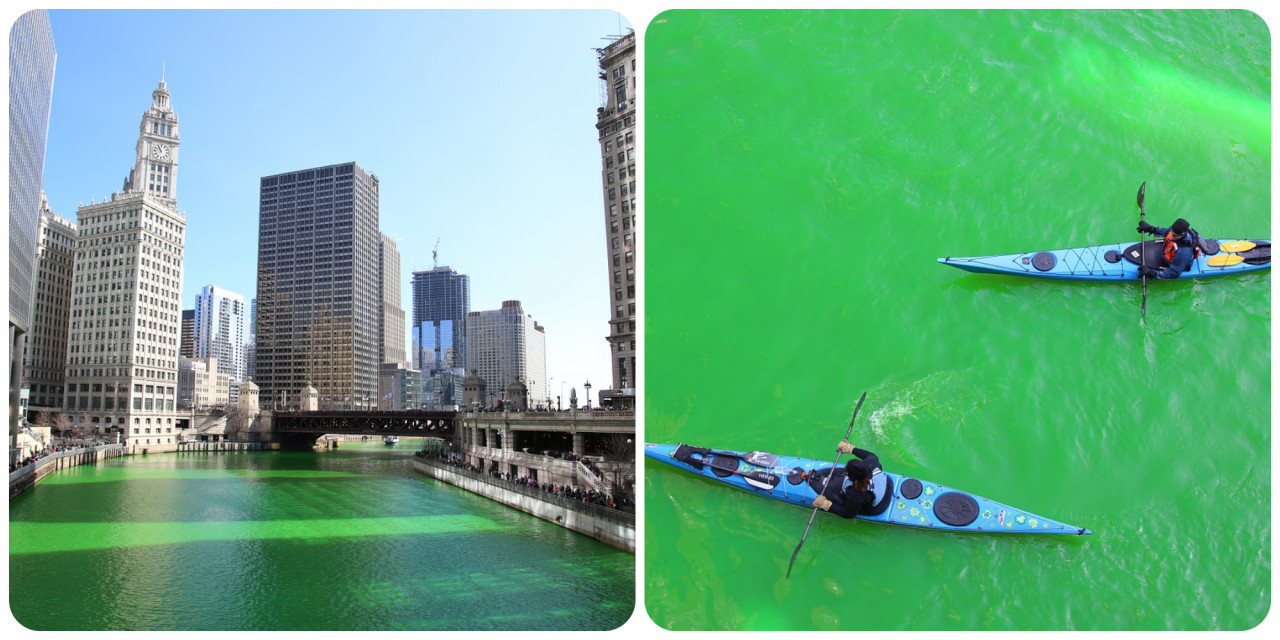
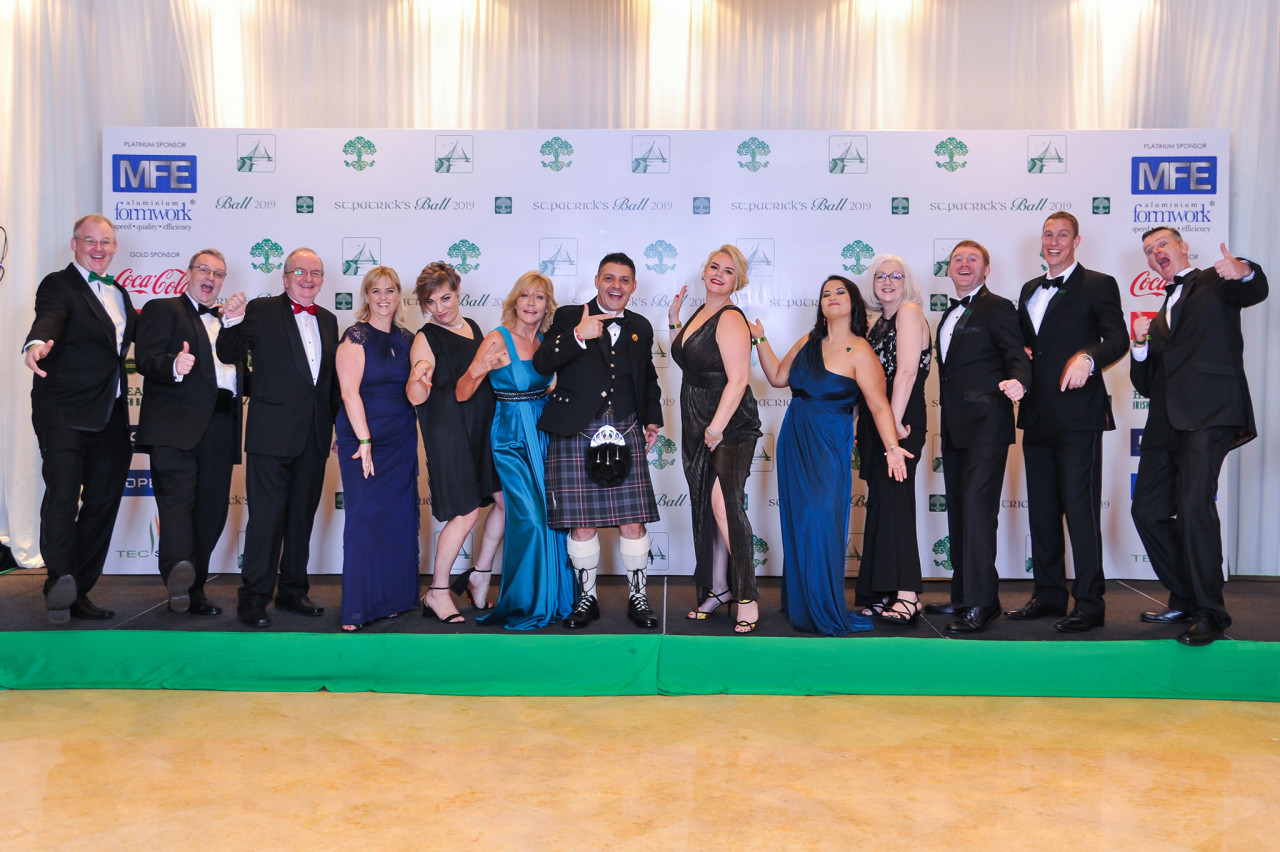
According to Timmins, the biggest celebration that the [Irish] community (in Kuala Lumpur, Singapore and Bangkok) would throw to welcome St Patrick’s Day is with a formal ball – St Patrick's Ball (the biggest St Patrick's Day celebration in Asia).
“Over the recent years [celebrated] in KL, we have had about 900 guests attending the event, which is usually hosted in Shangri-La Hotel, Kuala Lumpur.
“Meanwhile in Penang, a street parade is usually hosted during the day followed with a ball at E&O hotel,” he shared.
“In Ireland, there is a large street parade in the main streets of Dublin every year. This tradition could also be seen mirrored in New York.
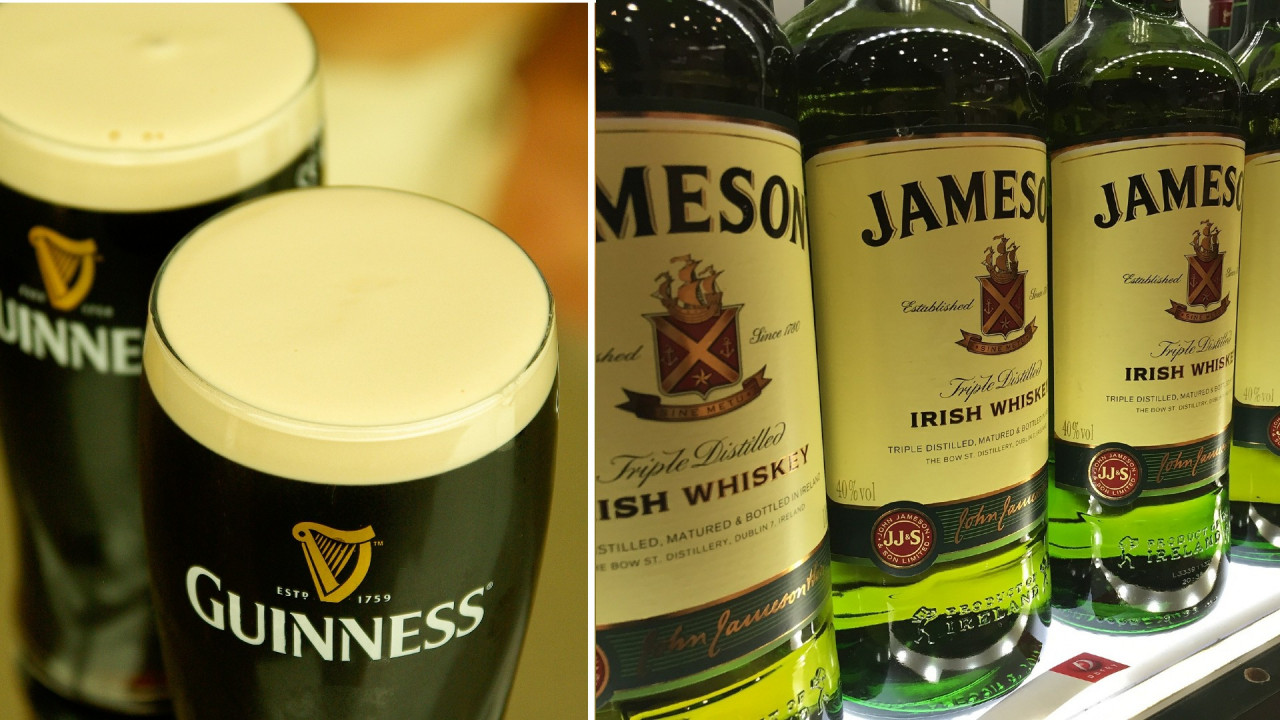
“We usually serve a fairly standard western dinner with beef and vegetables. Most Irish people like to drink, Guinness and Jameson Whiskey are the most common Irish drinks,” he added.
On the best Irish establishment in the city, “probably Healy Macs in Publika is the most popular. I do not really know why but it could be because many live in that area and it is the easiest Irish place to go to. They are also very welcoming to us all."
The global pandemic has brought any form of vibrant celebrations to a halt since last year, at least until social gatherings are not being quizzed.
In its effort to raise funds for hungry children during these trying times, the St Patrick’s Society of Selangor has partnered with Kiwanis Club of Bukit Bandaraya for the ‘Breakfast a Child’ campaign.

'A taste of Ireland’ hampers worth RM150 were put up for donations where every three hamper purchase will grant a child breakfast for the whole year. So far, the non-profit organisation has met its target of “selling more than 100 hampers,” shared Timmins.
All things Irish
Leprechauns: Originally known as ‘lobaircin’ based on folklore, meaning small-bodied fellow. The belief in them is said to stem from Celtic belief in fairies, tiny men and women who could use their magical powers to serve good or evil. In Celtic folktales, leprechauns were cranky souls, responsible for mending the shoes of the other fairies. Leprechauns were known for their trickery, which they often used to protect their much-fabled treasure. Leprechauns have their own holiday on May 13, but are also celebrated on St Patrick's, with many dressing up as the wily fairies.
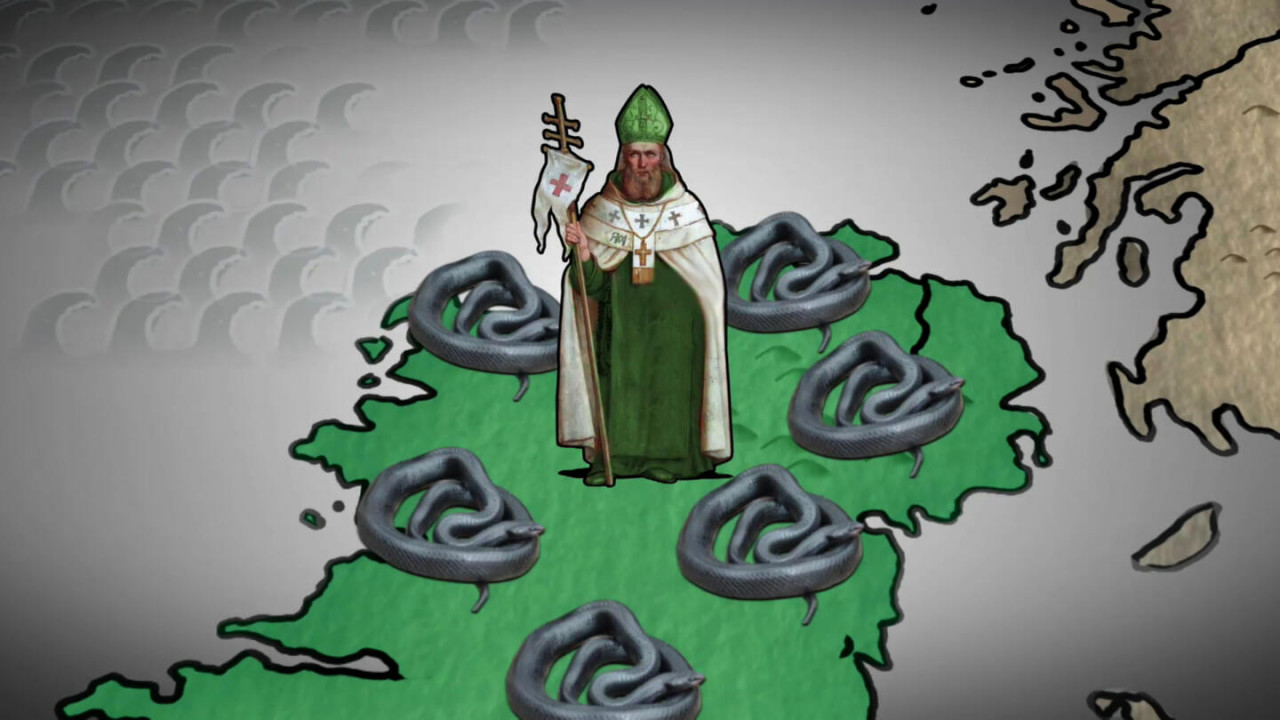
The banishing of the snake: Signifying the rise of Christianity and fall of pagan ideology with the arrival of St Patrick into Ireland.
The Shamrock: A sacred plant in ancient Ireland symbolising the rebirth of spring. It eventually became the symbol of emerging Irish nationalism by the seventeenth century as the English began to seize Irish land and make laws against the use of the Irish language and the practice of Catholicism. This led many of the Irish community to wear the shamrock as a symbol of their pride in their heritage and their displeasure with oppressive rule.
How did green become the official colour?
St Patrick’s original attire shows him wearing blue. In addition, the Order of St Patrick, part of Ireland’s chivalry, puts forth the sky-blue shade known as ‘St Patrick’s Blue’.
So how did the obsession come about? One of the reasons is attributed to Ireland’s nickname, The Emerald Isle.
In a more political view of things – the green stripe in the Irish flag also played a role. Traditionally, the green represents the Catholics of Ireland, the orange represents the Protestant population, and the white in the middle symbolises the peace between the two religions. – The Vibes, March 17, 2021
*The Vibes would like to wish our readers a pot of good luck, good times and good health during this St. Patrick’s Day.