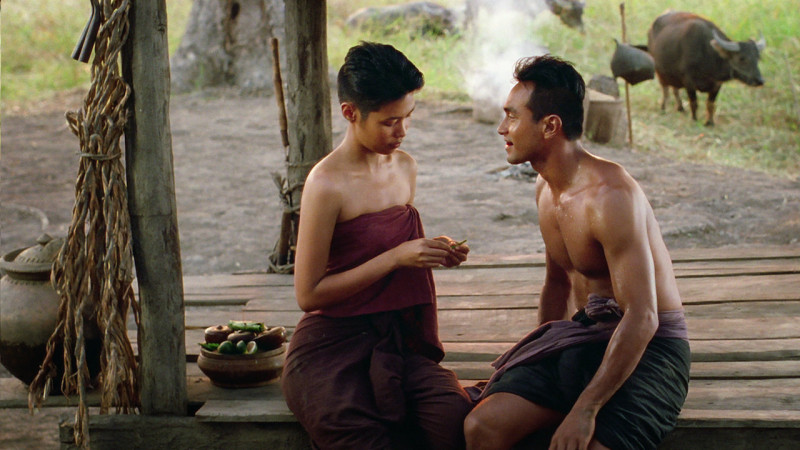

THERE are just some movies we know over the decades that simply make up our childhood.
For movie buffs who grew up watching Asian supernatural/horror films, the story of ‘Nang Nak’ remains part of our watchlist and continues to haunt us, not for the scares, but about the fatal effects of our longings and obsessions when it comes to love.
Those who have yet to familiarise themselves with the 1999 film, directed by Thai filmmaker Nonzee Nimi, must know that ‘Nang Nak’ is certainly not just a ghost story, but a Thai legend, deeply rooted in the land of smiles’ psyche and imagination.
Its prominence can still be felt up until today as numerous performances have come out to carry the story generations on, whether it be via films, TV series, theatre plays, or even comic books.
Nonzee’s interpretation is said to be mostly enshrined in a Theravada Buddhist philosophy, showing its strength and superiority against the folk religion beliefs.
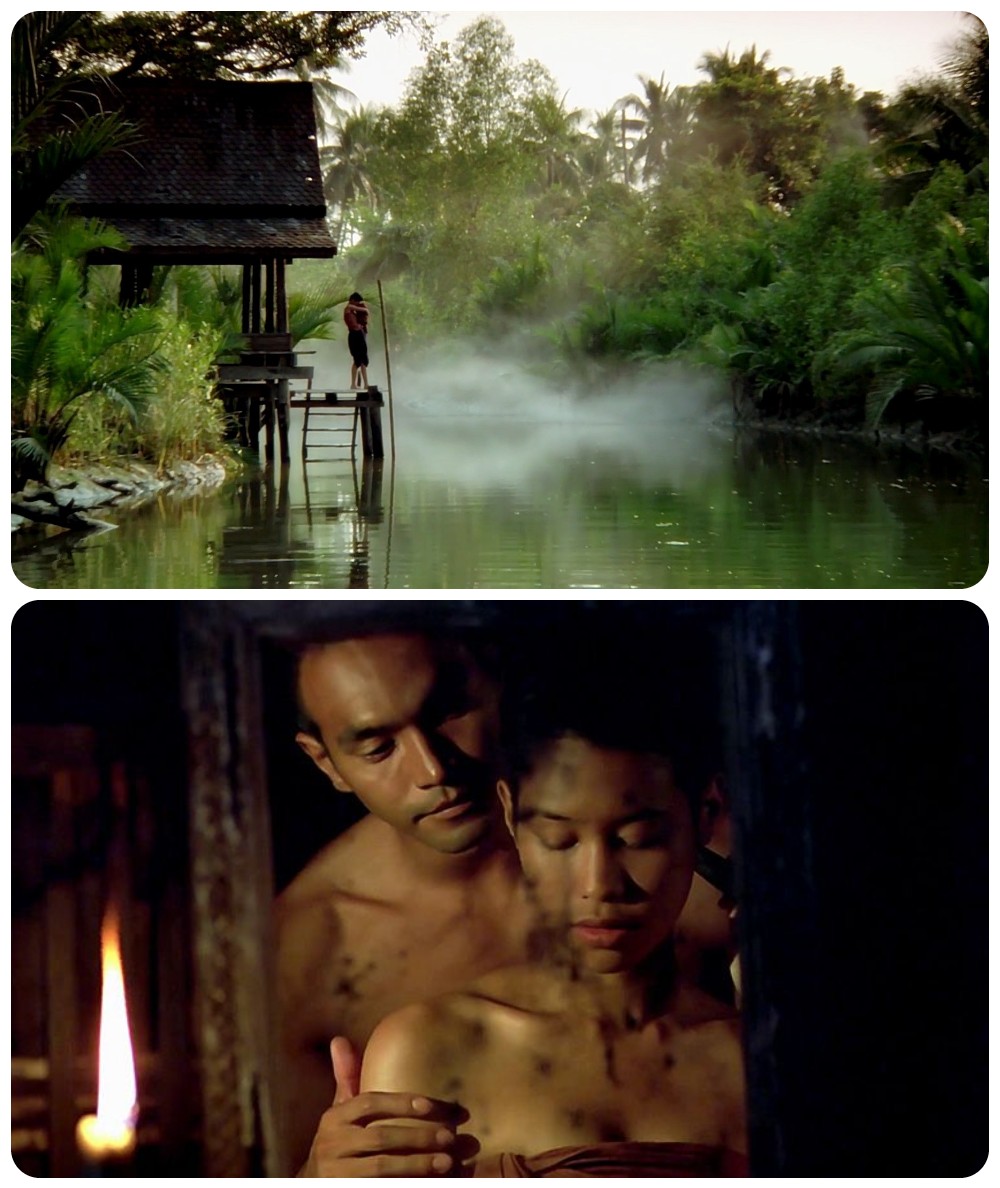
Some may even argue that beyond the story of a young couple who share an idyllic existence in a quiet rural bayou, the portrayal of the traditional Thai lifestyle –imbued with deep cultural values and ancient superstitions that permeate the ethos of the Thai people – was responding to the affairs its country in the late 90s.
Author and professor Khoo Gaik Cheng notes, “‘Nang Nak’ at the time of its release has a very specific context responding to the financial crisis in Thailand (the freefall of the Thai Bhat)”.
“Together with other Thai New Wave films of the post-financial crisis period, there was a backlash against globalisation, materialism, etc."
Gaik, who published the title ‘Reclaiming Adat: Contemporary Malaysian Film and Literature’ (2006), expressed her observation (unrelated to the book) that while Nang Nak is nationalistic in a way, “... it is also a conservative knee jerk reaction”.
Hauntingly cinematic
What’s interesting about ‘Nang Nak’ is that the story was also able to transcend languages across neighbouring countries (Malaysia being one) at a period where we indulged in movies in the CD format – remember that?
Now, with streaming services (like Netflix) picking up old movies across genres and updating the repository for the convenience of movie binges, a younger breed of moviegoer has been introduced to the world of classics, and then some.
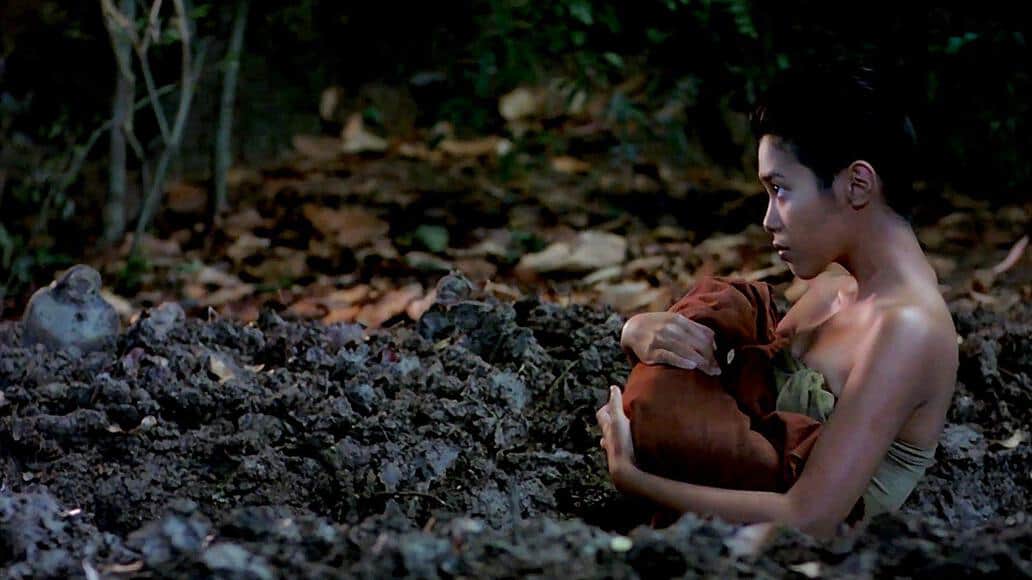
Films such as ‘Nang Nak’ have been able to leverage this opportunity, as it is seen as a positive boost instead of being left in the archives collecting dust. For that reason, this article was written.
“‘Nang Nak’ was a hit in Malaysia even though it came out when horror films were banned here locally like ‘The Ring’, which also never screened officially,” shared Kuman Pictures founder Amir Muhammad.
“There have been many iterations of that same myth, but what made ‘Nang Nak’ stand out was that it was beautiful, and the romance of the lead characters was foregrounded."
The brainchild behind the studio that helped produce the widely talked about ‘Roh’ added: “Although seen only in pirated form with horrible subtitles, it influenced many Malaysian works after that, when horror movies could be produced again”.
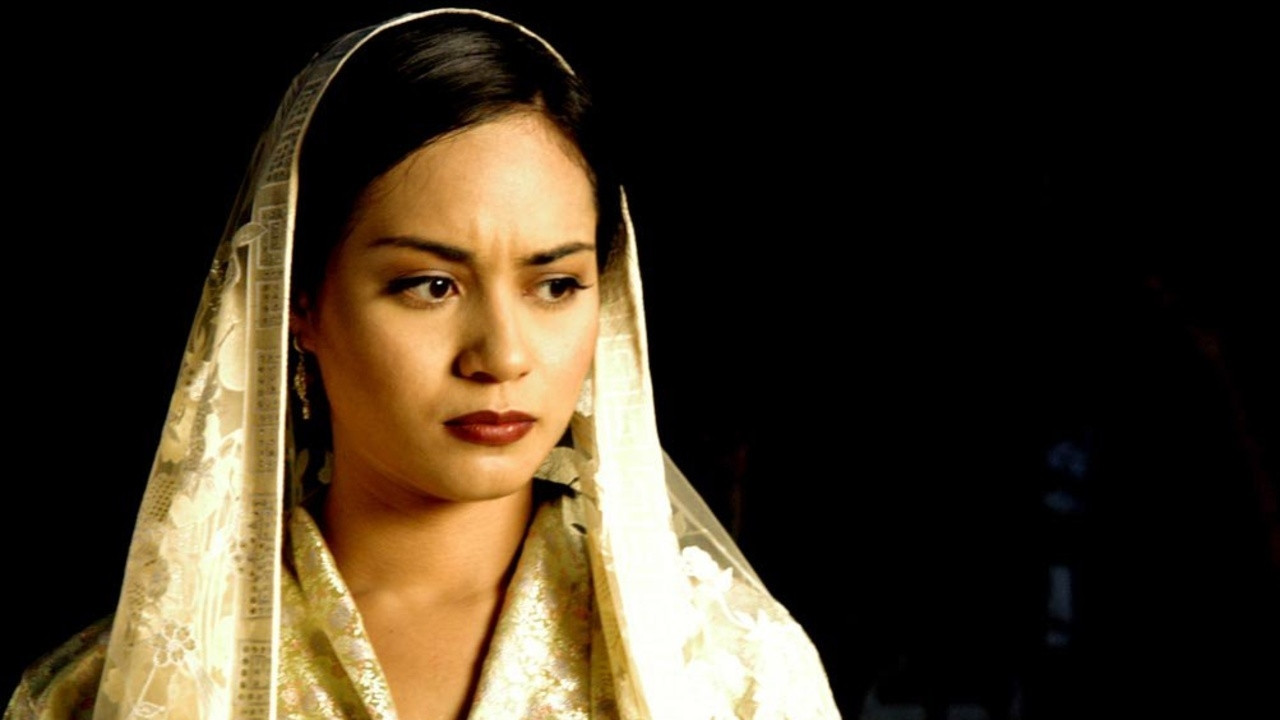
“People might remember ‘Pontianak Harum Sundal Malam’ (2004), where I personally thought the romance with Azri Iskandar’s character 'Marsani' was unconvincing.
“However, the feature that is more relevant to this discussion would be ‘Puaka Tebing Biru’ (2007). It was significant for its lesbian protagonist where the movie beautifully captured her angst of being 'set adrift' when away from her kampung,” he said.
“Even the slapstick iteration of the Nang Nak legend, 'Pee Mak' (2003), is a huge hit and directly inspired some scenes in the ‘Hantu Kak Limah’ film series,” added Amir.
Contextual elements in the telling of the story
Horror films were banned in Malaysia for three decades, presumably for celebrating other-worldly phenomena that goes against Islamic teachings. It was only after former prime minister Tun Dr Mahathir Mohamad’s (first) retirement, back in 2003, that the popular culture experienced a more relaxed view and somewhat rose from the dead – at least on our silver screens – with the top-grossing films being fright flicks.
On the efforts behind producing one of Malaysia’s memorable cinematic works, ‘Pontianak Harum Sundal Malam’ with Maya Karin taking on the role of ‘Meriam’, director Datin Paduka Shuhaimi Baba shared: “Everybody knows about the 30-year ban that was going on. So, I had to get clearance where it took me a long time to even get it acknowledged by Finas at that time.”
“It was definitely a challenge at first because you have to get your script approved before anybody would put in money in a horror film.
“I had to work with the Film Censorship Board (LPF) to try and assure the industry that they would allow a horror film for the first time after the ban.
“Even then there were no guidelines, so it took a while to try and get the home affairs together at that time to greenlight the project with standard procedures to work with. It was very strict, and I had to be careful in the sense that there are so many do(s) and don’t(s) because it was the first one of its kind,” said Shuhaimi.
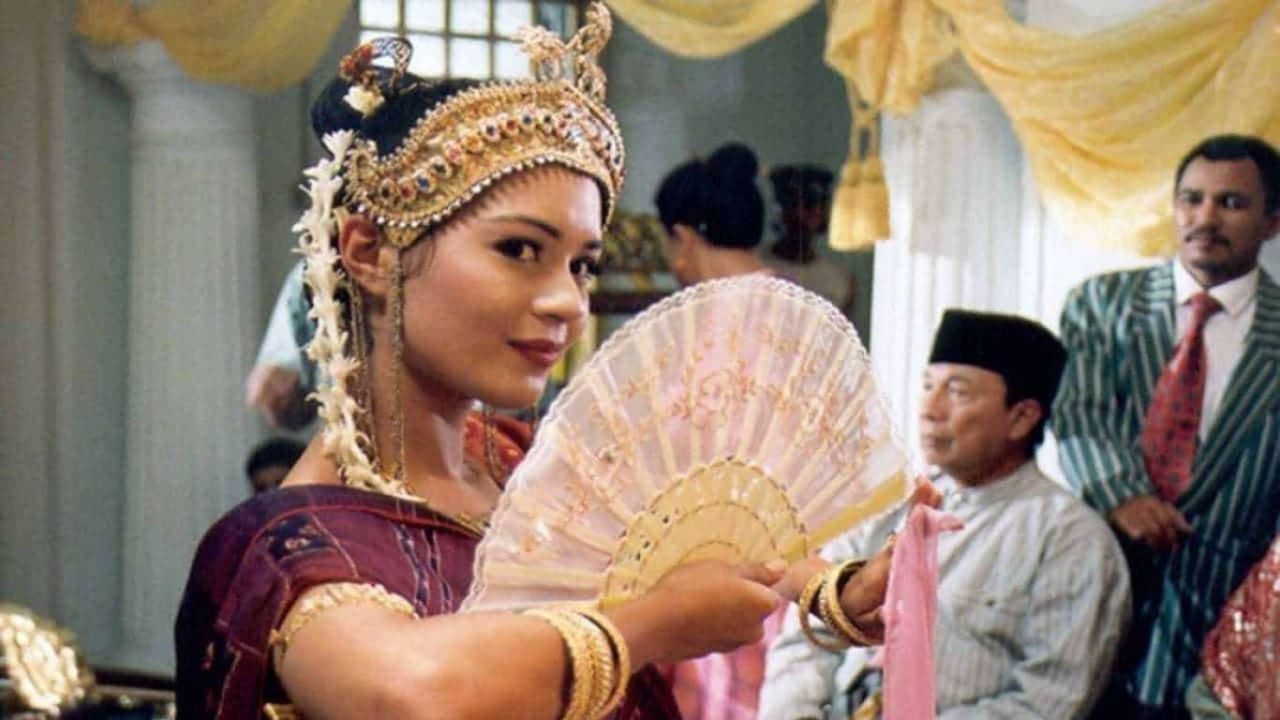
As we explored Malaysians love for ‘cerita hantu’, and whether accounting for the presence of such stories locally has evolved, the director responded that ghostly narratives or the folklore related to it exist in our culture, “… where everything in our social reality has some kind of reference to it”.
She added that we – especially in the Malay world-view – associate evil doings with hantu or basically anything that we do not understand or are fearful of has that supernatural element in it.
“The narrative of the ‘Pontianak’ stands on its own, and the story of its spirit has a unique human relatability that could be explored.
“I consciously wanted to portray the suppression and injustice done to women characters in films – when you see the character of 'Meriam', you see that she is all about strength, and wanting justice for herself, her baby and the man she loved who was wrongfully killed.
“Her character has all the human traits that we are familiar with except that she is given a different kind of ‘power’ that she did not necessarily abuse, but rather correcting the wrongs that were done to her,” explained Shuhaimi.
She noted that most films during her time were very limited when it came to pushing for strong female character portrayals.
“To persuade the audience to go and watch on the big screens is even more difficult.
“Putting life into our folklore in a way makes it more acceptable among the audience, and I don’t think it would work well if I had to portray the story in a ‘reality’ type of format.
“There is definitely a relationship when it comes to our work and telling the realities that exist. As filmmakers we have a creative license, and when we do stories based on true events or anything in relation to the social discussions that are happening at the time, we tend to stitch it with fiction as a means to artistically express better without making a direct link,” added the director.
Framing the horror genre
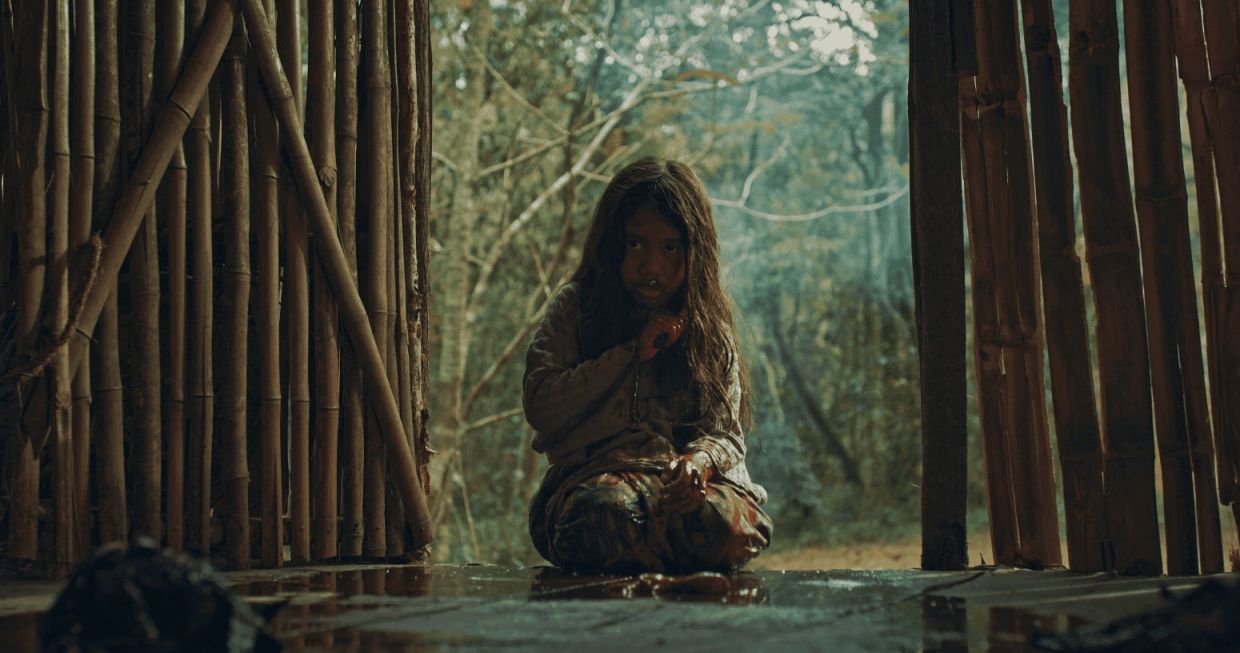
Shuhaimi stressed that the storytelling for horror movies itself has grown into so many different levels. It can even be taken out of the equation and applied in a different vehicle. What she meant by this is character portrayals through the sci-fi or fantasy genre, “… where the hantu has been converted into robots or artificial intelligence – even into superheroes and villains”.
“The wisdom, betrayals, love as well as other challenges and emotions that the characters go through are essentially the same.
“We may not be able to produce more of these types of films locally mostly because the costs are even much higher.
“However, this is beside the point as at the end of the day, we are still talking about challenging imagination and that is one of the key reasons why filmmakers create films,” she said.
“'Roh' was meant to harken back to the ‘purbawara’ type of movie, which is not set in a specific time or place,” noted Amir.
“Some people think this is a major flaw as the customs, dialogue etc cannot be pinpointed to a specific era, but it was always meant to capture a headspace more than anything else."
Stating the fact that 'Roh' is not a ghost story, “... to persuade a sales agent to take it, it is then classified as horror”.
“What is interesting is that some people see it completely as a religious film while others have an existential-dread take on it.
“I believe the crucial element of any horror story is encapsulated in the Javanese word 'angker'. So, if it has that, it is ‘horror’."
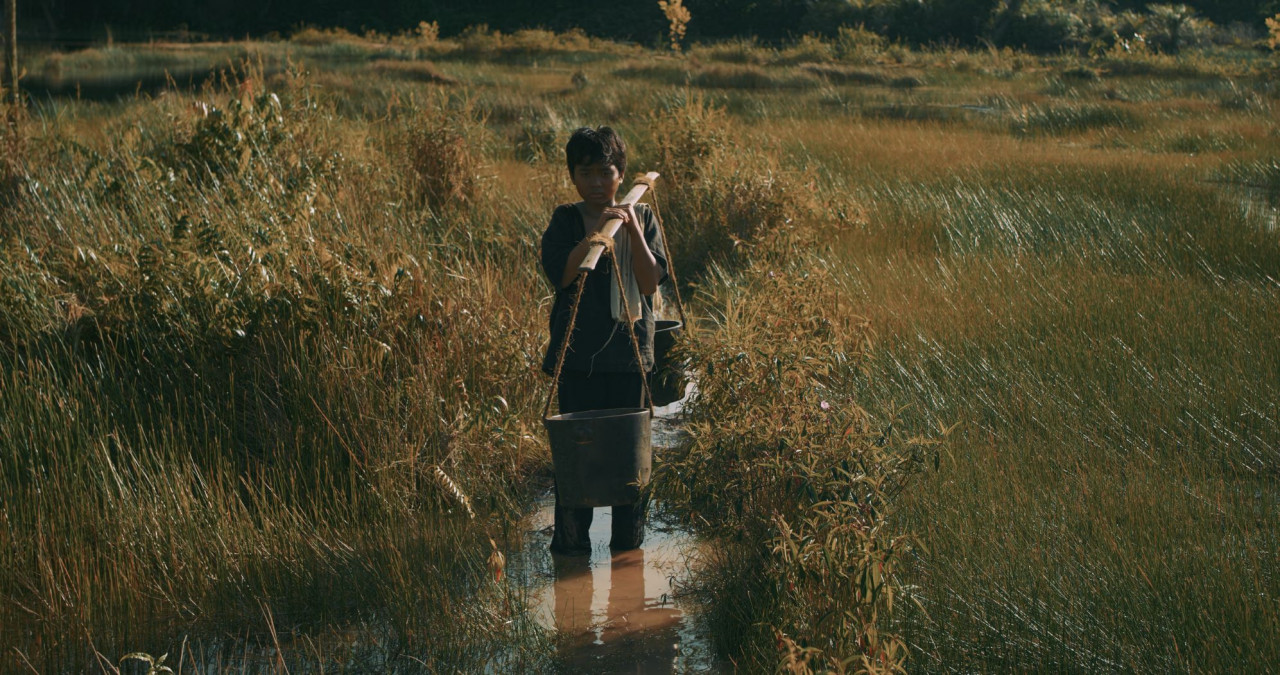
The argument of our conscious observations towards ghostly narratives suppressing our thinking and lowering our chances of being considered as ‘advanced’ can be countered by stating it is unfair to move forward without acknowledging our socio-cultural identity, where folklore has been a sense-making device for generations.
This could also be expanded to why Asians in general view the construct of folklore differently compared to the Western world.
Dare we say that Asians have a more sophisticated view in the supernatural storytelling that inspires many Hollywood productions of late. Just look at the throngs of remakes such as ‘Dark Water’, ‘Shutter’ and ‘The Ring’ among them.
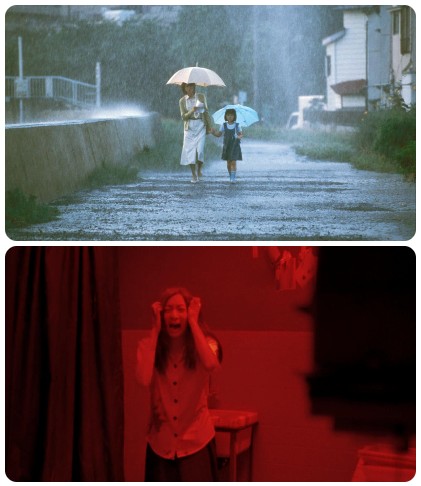
Even towards original productions like ‘The Conjuring’ film series that would eventually have its own global cult following – never mind that the creator behind it is James Wan, who was born in Sarawak but later moved to Australia with his family. One can assume that his works may somewhat be influenced by his heritage.
“You can’t measure whether a society is developed enough by a simplistic evaluation of the appreciation towards ghost stories.
“It doesn’t make you stupid or inferior, and I think you would be in denial to move away from something that is a part of your culture,” said Shuhaimi. – The Vibes, July 24, 2021