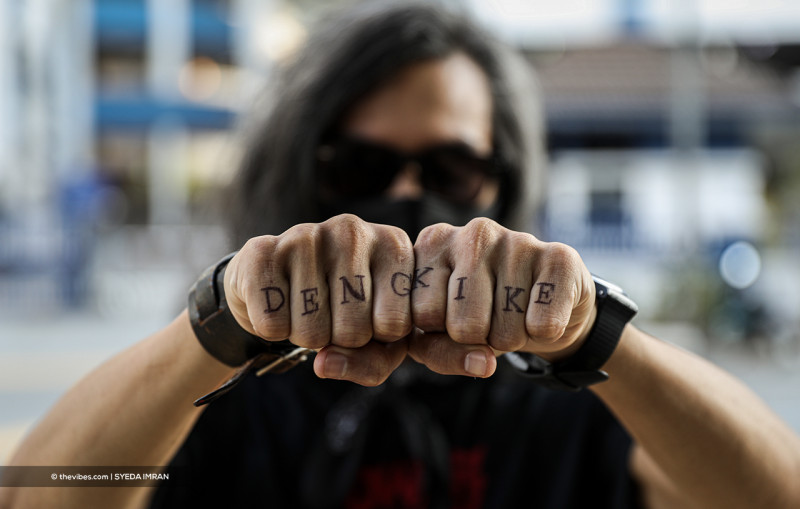
"ONLY click the camera to take a picture, jeez, that's easy."
Nasty statements like that come from those who don't appreciate what photography requires.
Photography is far more than a camera click; there is a more in-depth approach. In the simplest terms, photography is capable of transmitting a thousand words in a single image.
And photography is not confined only to a specific genre. For those interested in photography, there are hundreds of disciplines.
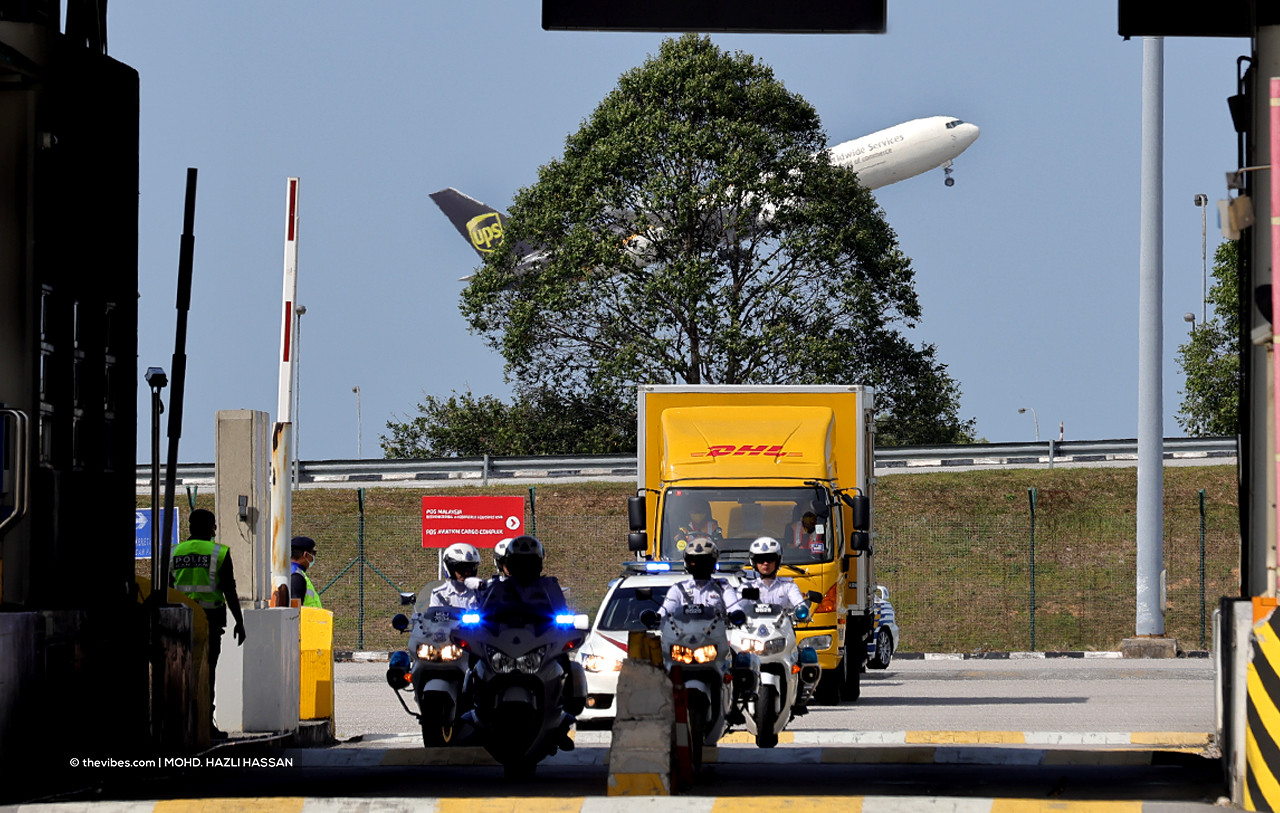
Photography has grown swiftly since Ansel Adams further enlivened the photography world with the f-64 group – those who utilize the smallest aperture to shoot landscape photographs – to today's generation.
The methods of photographing has also evolved, from salt paper prints to Daguerreotypes to film, and finally to the digital process, allowing more people to engage in this quite expensive hobby.
However, photography is more than merely clicking the shutter or holding the camera. It is a capturing of a moment that every photographer should have in their soul.
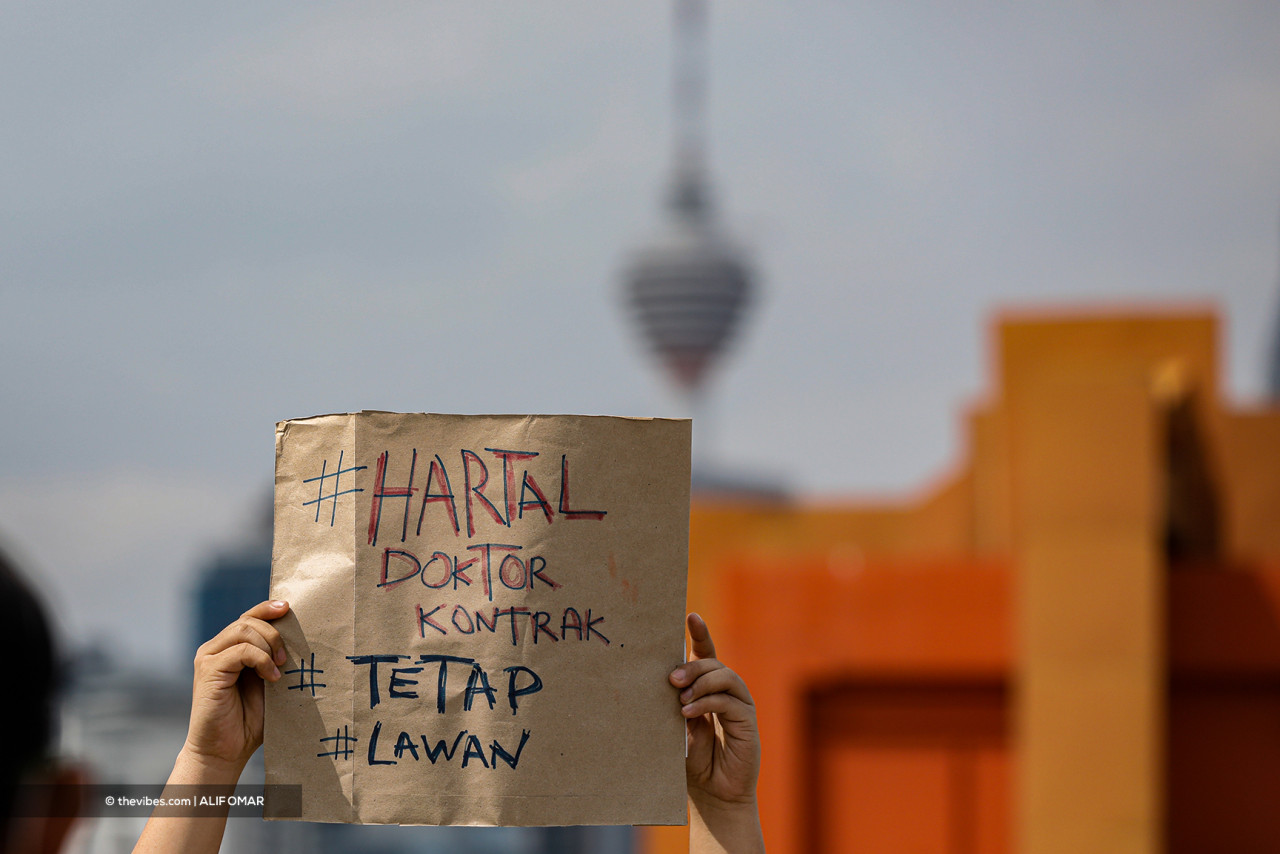
Photography is the person behind the camera. They curate and create photographs; it is not the camera, it is far more than a camera click.
Before shooting, a 'real' photo, the photographer evaluates the subject from many angles.
He or she then applies a variety of photographic rules to position the subject so that it is more visually pleasing while also working with exposures.
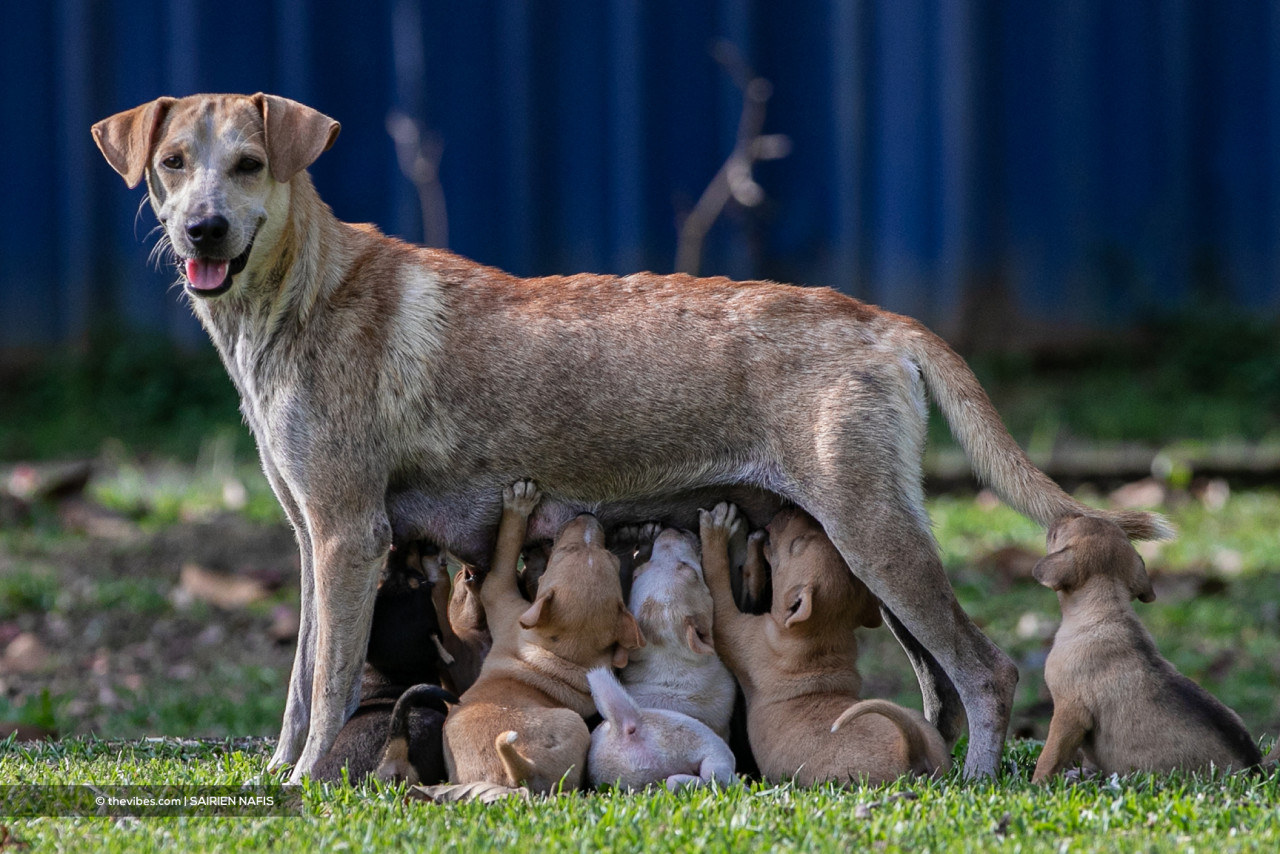
All of this happens in a matter of a few seconds. When the subject is moving, the shutter must be pressed with more speed and accuracy.
So a successful photographer who produces good images actually has 70% luck and the rest is creativity and experience.
For us here at The Vibes, whether it is sports, fashion, modelling, journalism, advertising, or landscape, it is our 'food' every day.
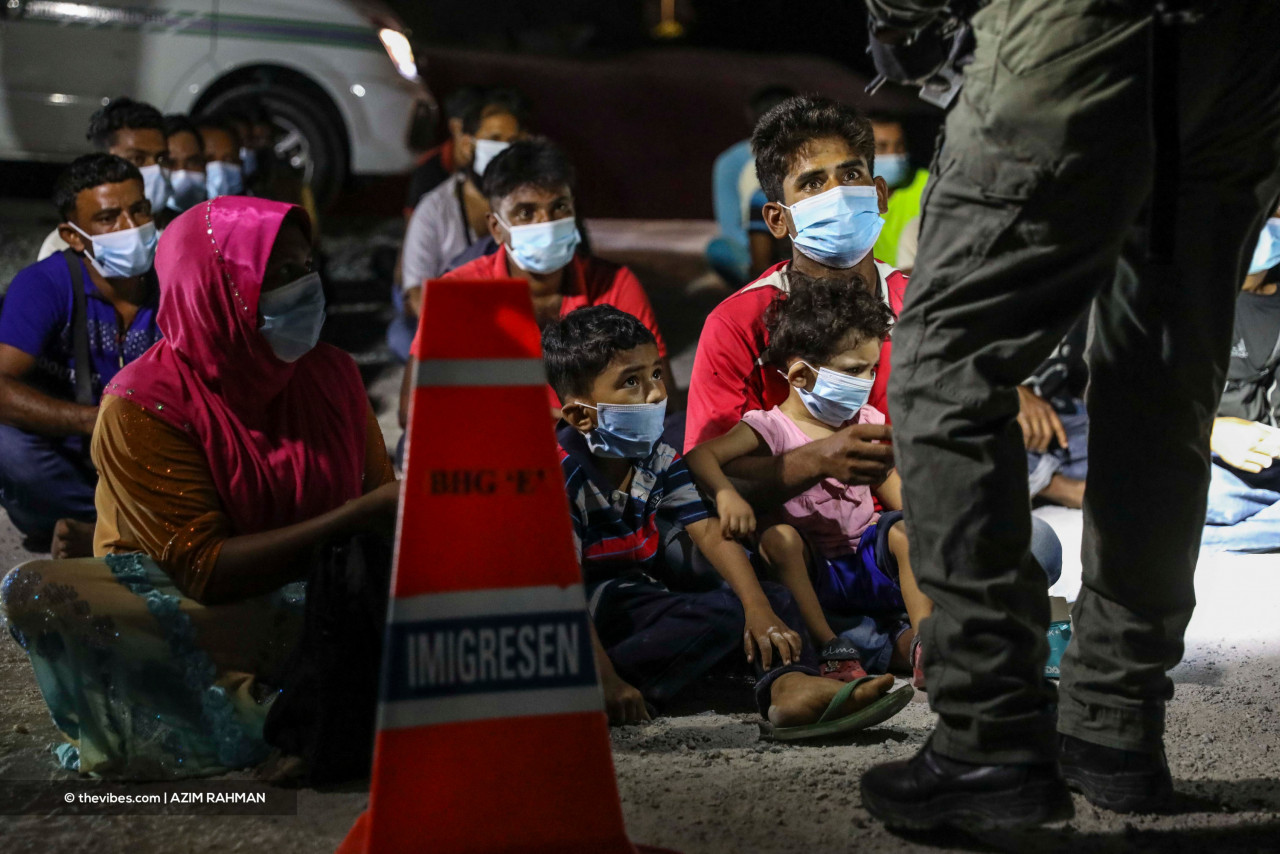
A photojournalist must be well-versed in each of the genres mentioned.
In fact, the documented images have such a powerful impact that they may have the power to reshape a government.
Getting a photo as a photojournalist is a time-consuming task.
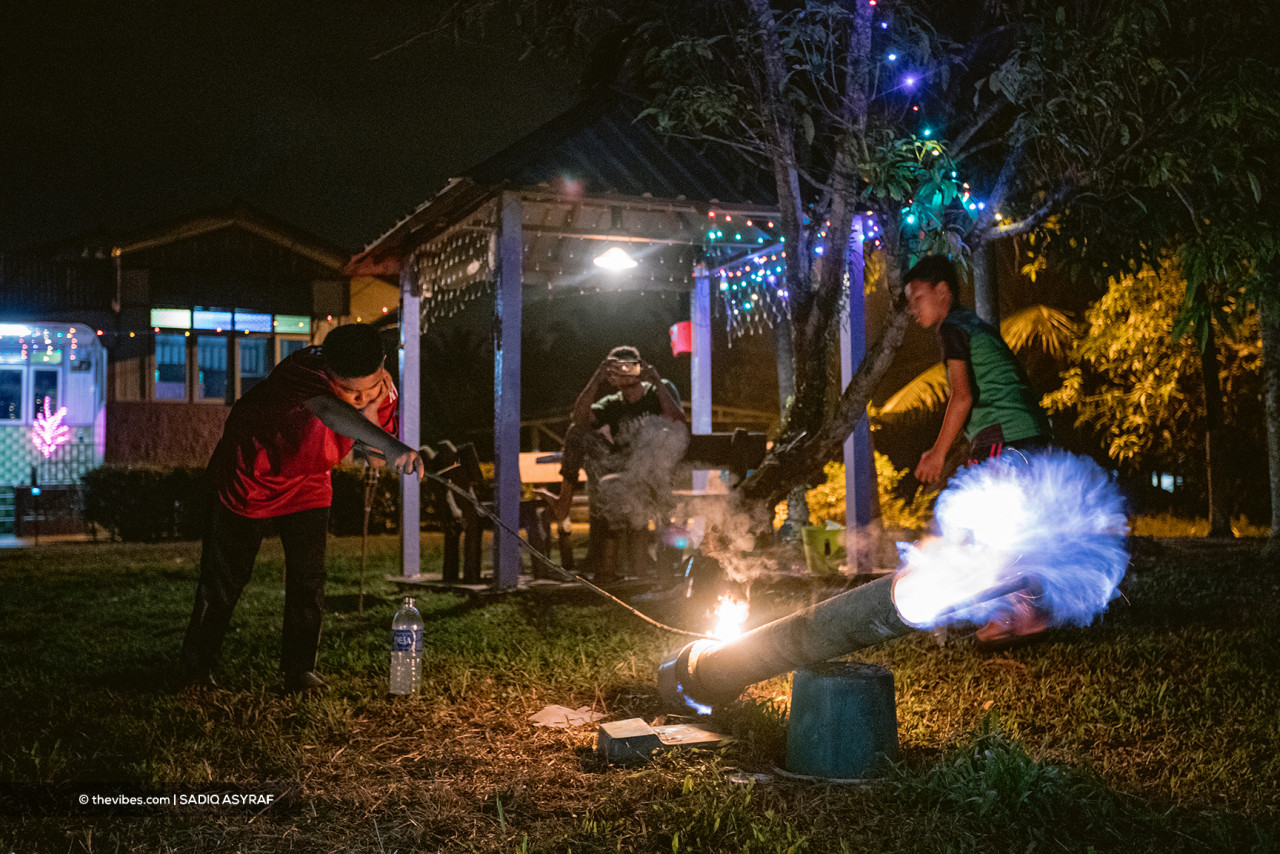
Because of the laws of this country, not all photographers are entitled to take photographs in any place or circumstance.
A photojournalist is also bound by the law, including journalism ethics, which must be observed.
The process for capturing a subject is lengthy. It demands a meticulous photo editor – from seeking permission to be present at a site, to shooting, to post-production and eventually choosing the images for publication.
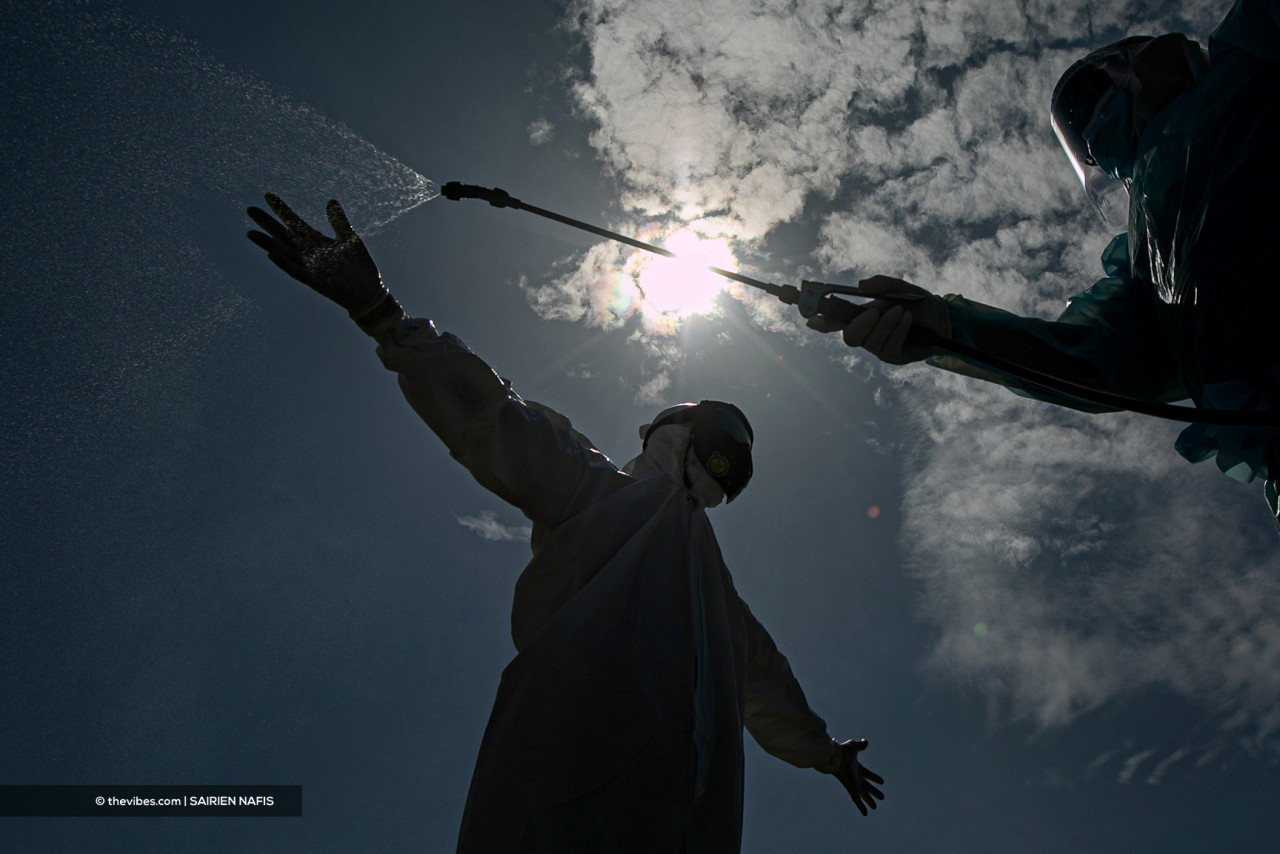
With the introduction of digital systems, the process is now being accelerated.
Yours truly recalls the earliest forays into the field of photojournalism. The transition from black-and-white to colour film was happening at the time.
While senior photographers used colour film and a machine to process it, I had to use black-and-white film and was left alone in the lab to process it.
But it was all for the best. Traditionally, sending a picture while outstation took numerous hours and required a lot of equipment; now, a picture can be delivered in a matter of milliseconds using only smartphones.
That is how photography has evolved.
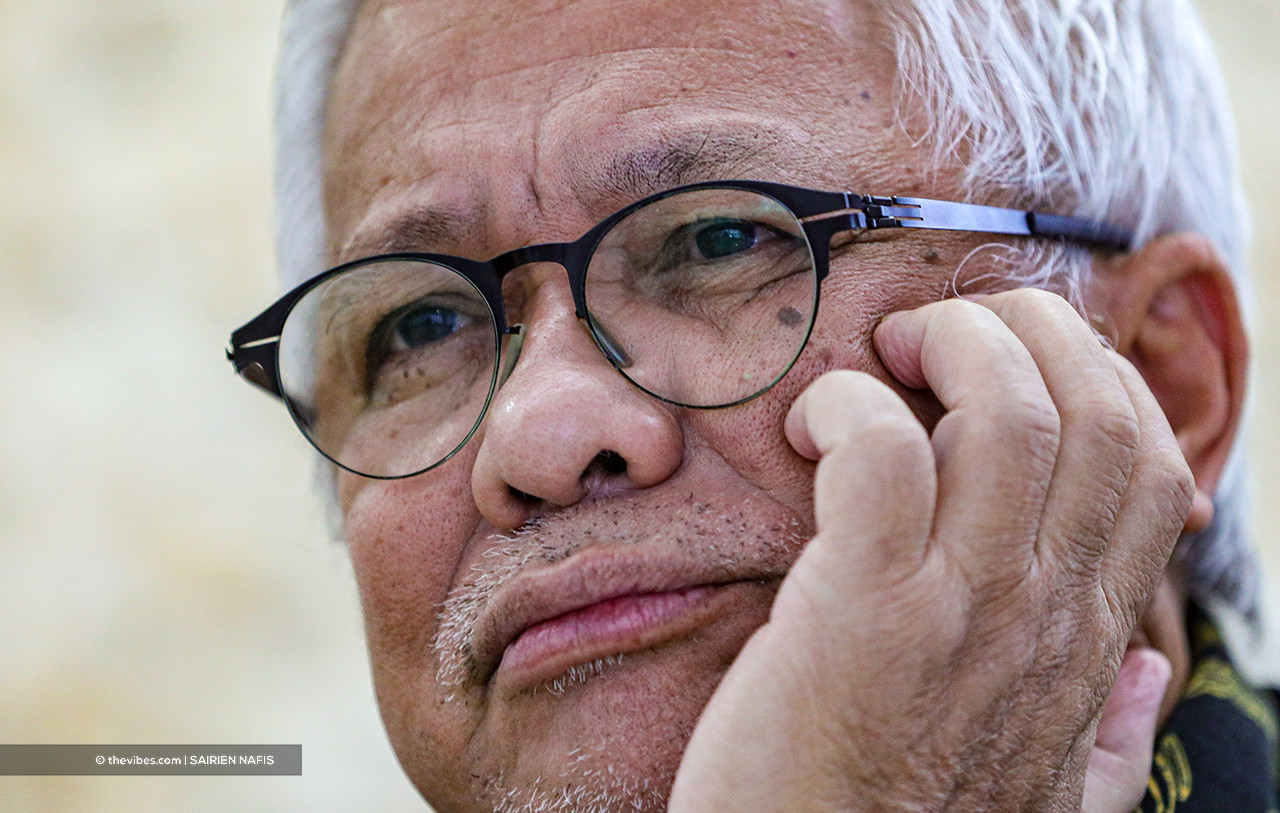
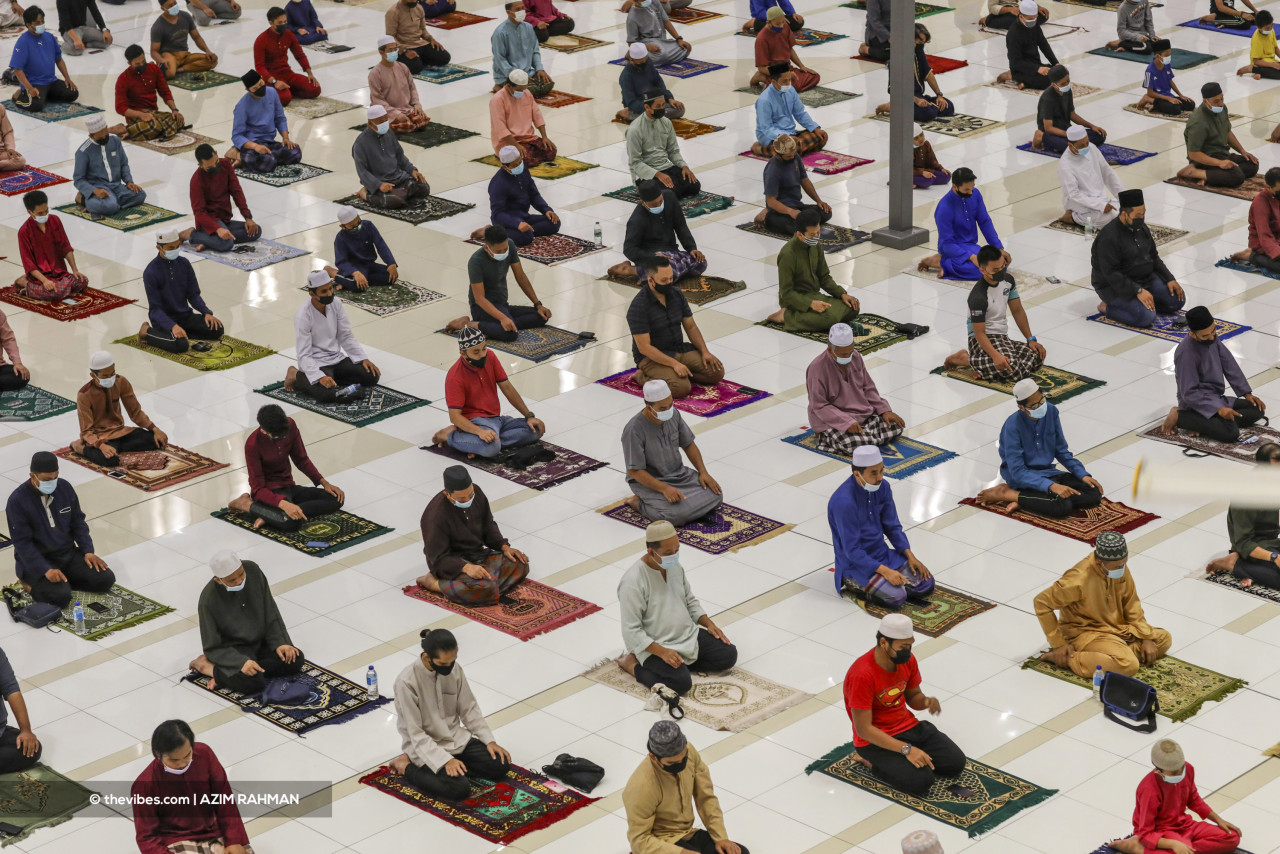
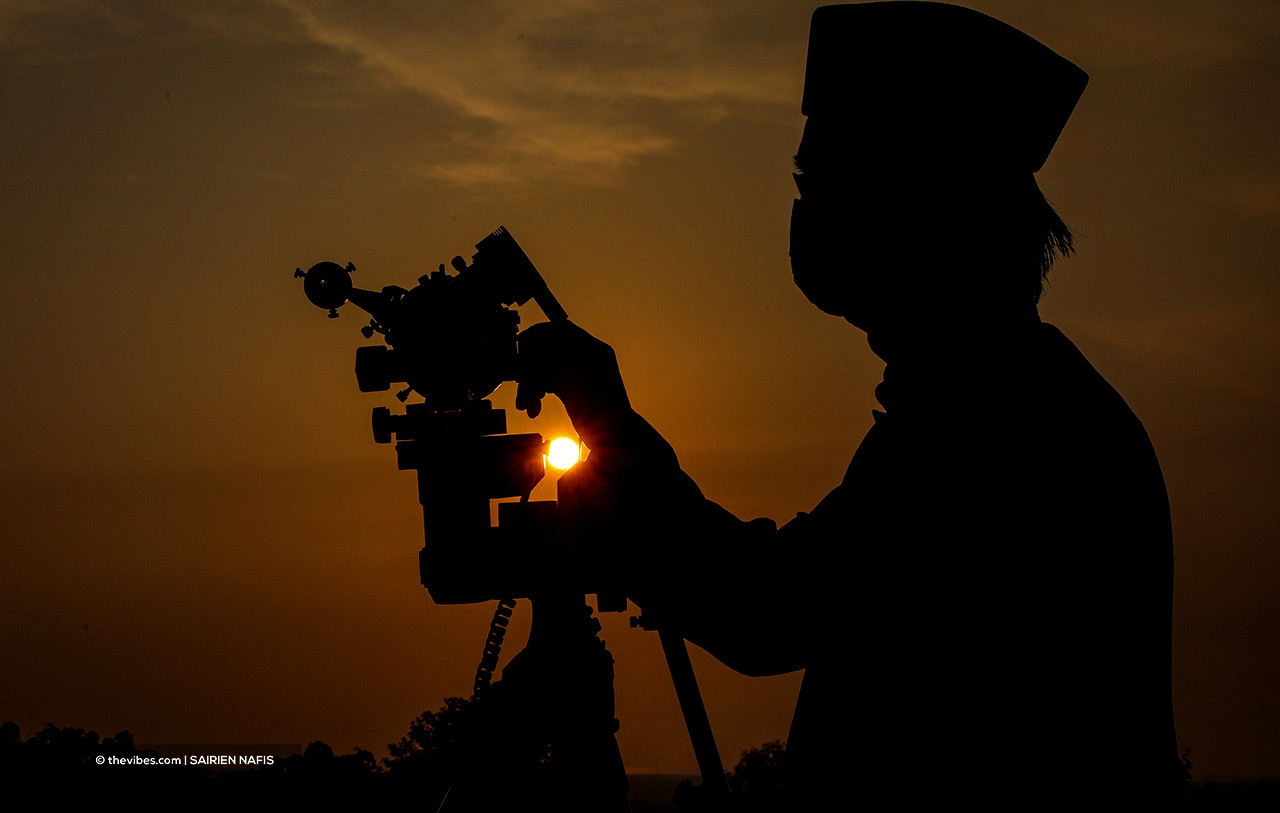
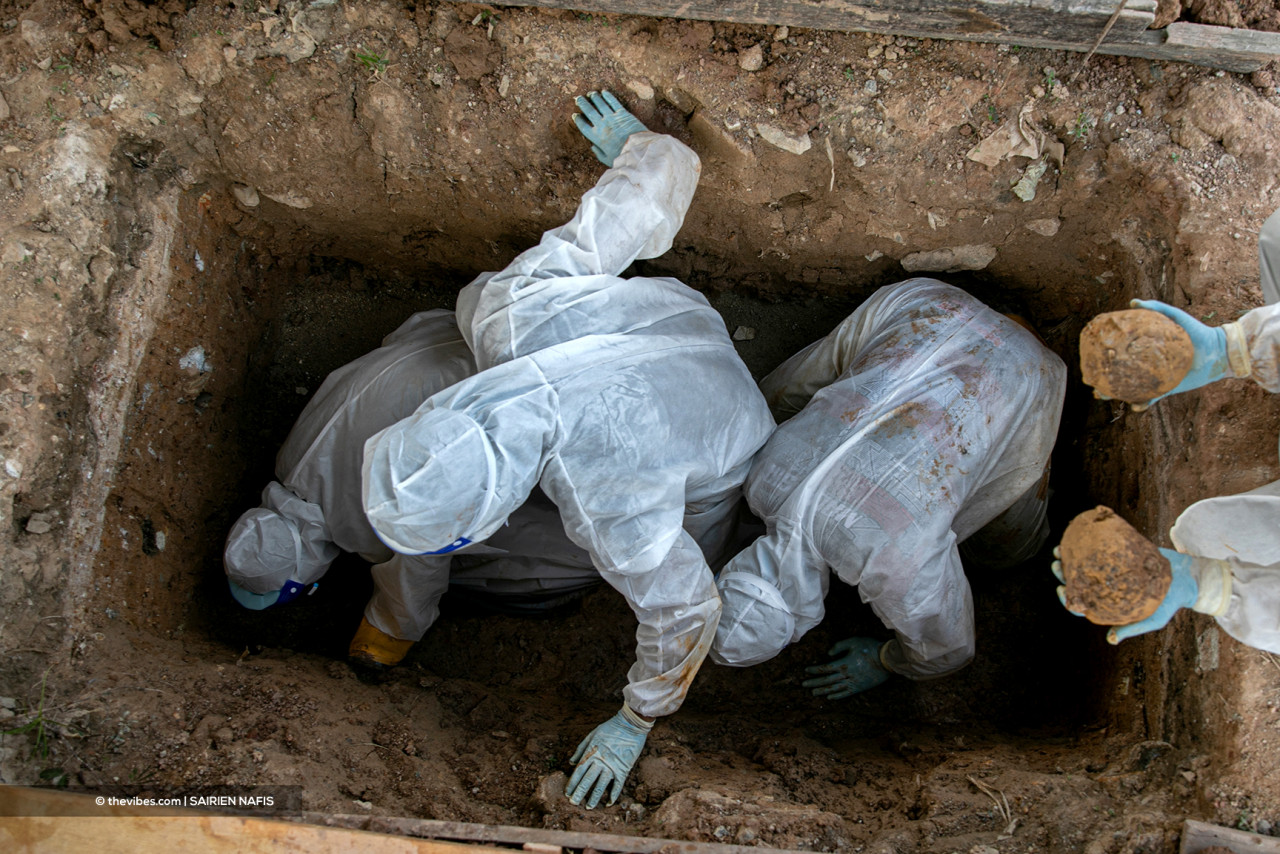
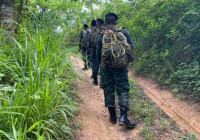
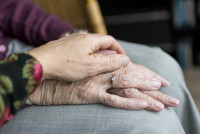
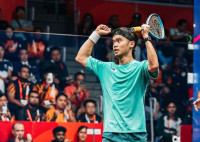
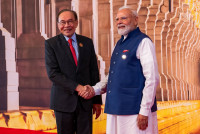
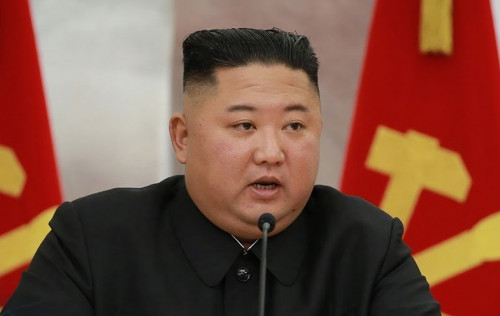
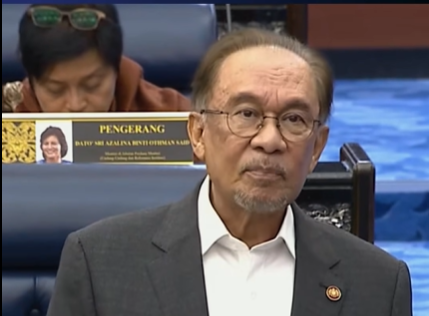
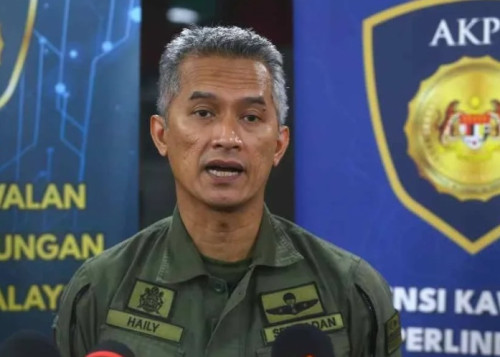
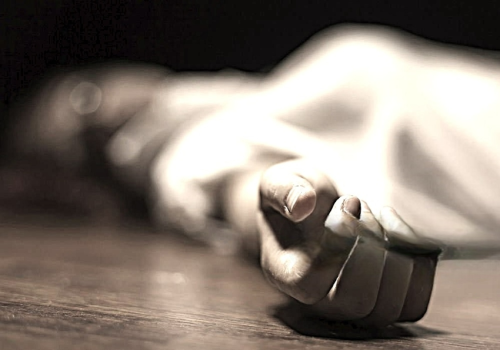
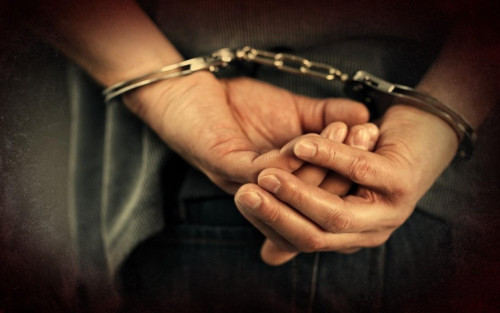
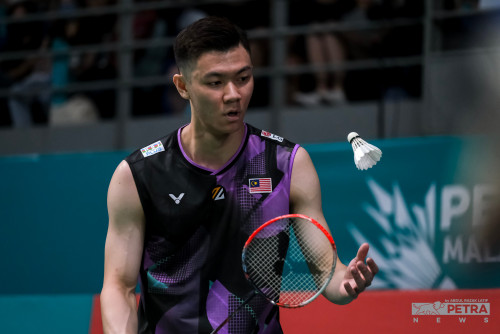
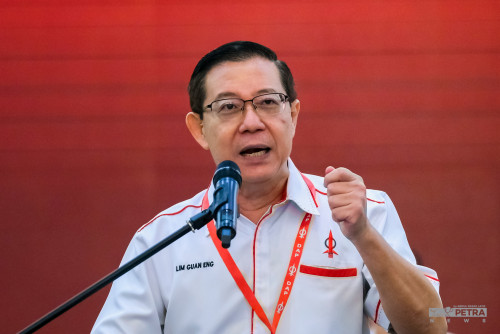
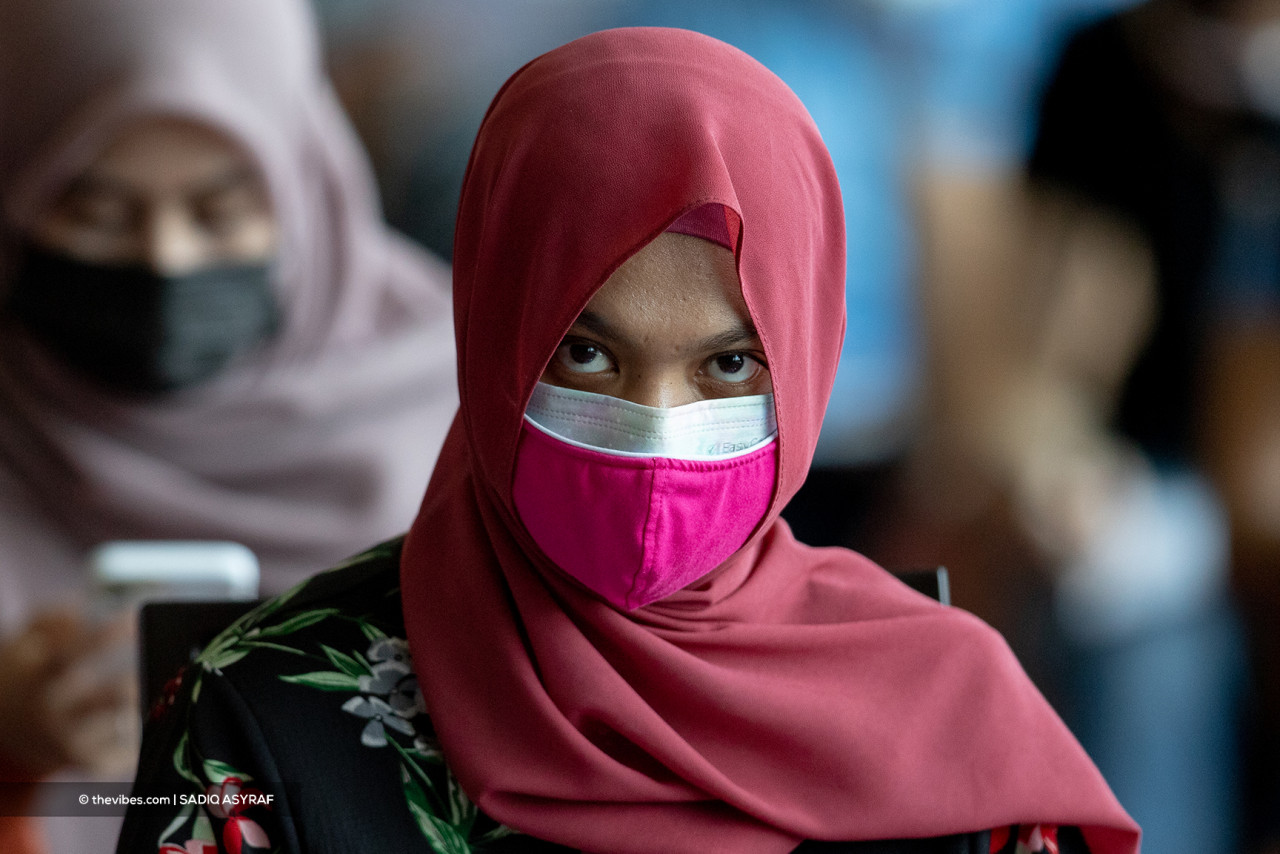
In appreciation of World Photography Day today, we present a selection of our work over the past year, as captured by colleagues SAIRIEN NAFIS, AZIM RAHMAN, SADIQ ASYRAF, SYEDA IMRAN, and ALIF OMAR. – The Vibes, 19 August 2021