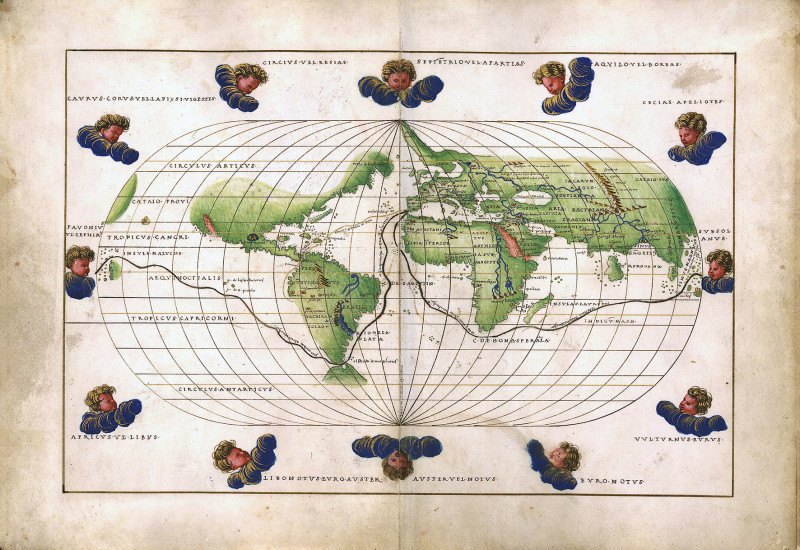
THE exhibition Skola Gambar Enrique de Malacca by artist Ahmad Fuad Osman reflects on the first circumnavigation around the world by the Magellan-Elcano expedition in 1519. The expedition has, over time, gained allegorical significance, marking the start of the age of globalisation. And yet, this story of heroism, tribulation and adventure is primarily told through a Eurocentric lens.
Records show that among the 270 crew members who undertook the perilous three-year-long expedition on five ships was an enslaved Malay sailor and interpreter named Enrique de Malacca.
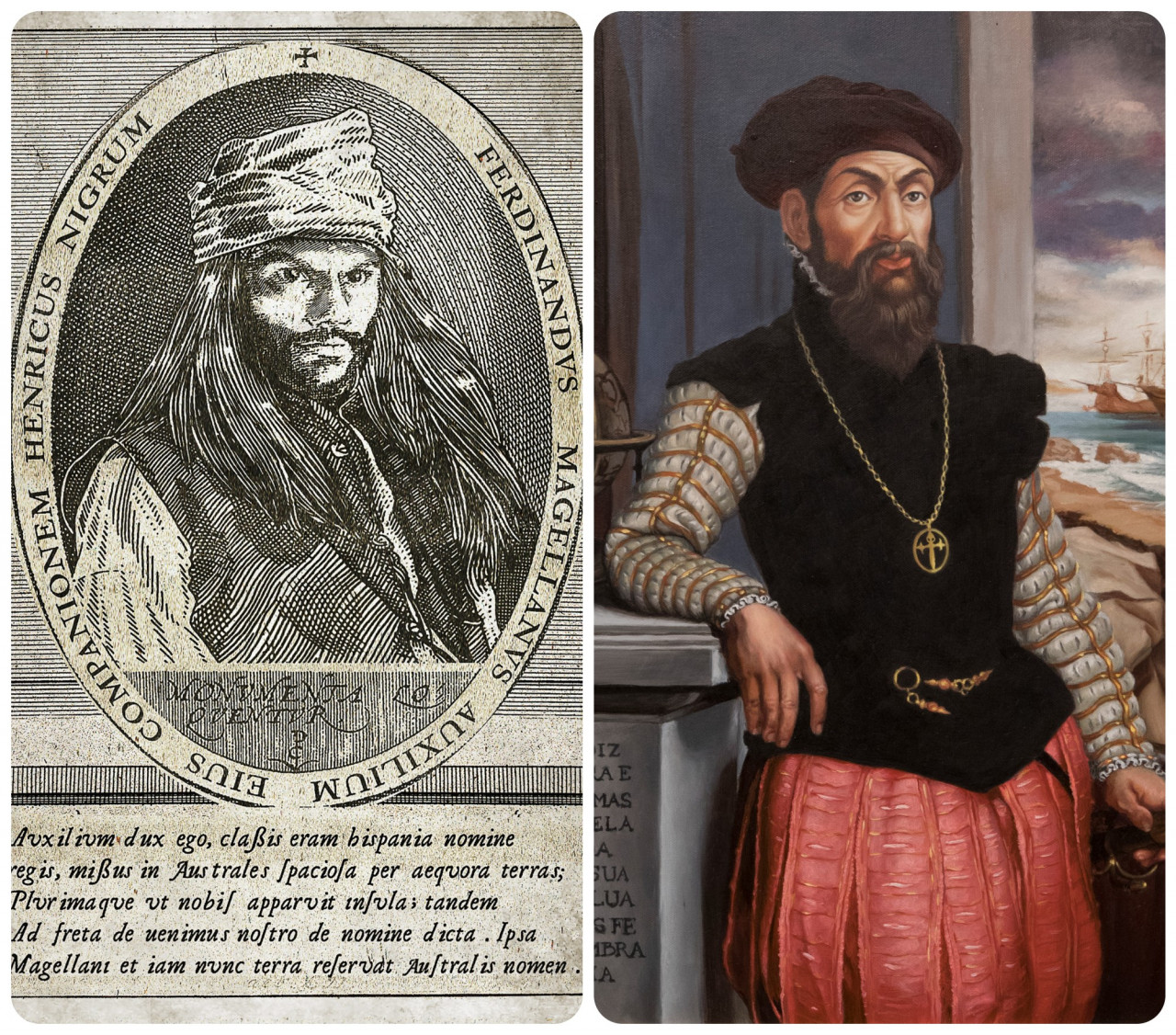
Ahmad Fuad Osman revisits this historical event, through the perspective of a person from the Malay Archipelago, by creating a fictional memorial based on historical evidence, scholarly interviews, and oral religious records. In this installation featuring video, painting and sculpture, which also represents 16th-century documents, coins, weaponry and clothing, the artist reconstructs a lost character and a vanished archive to negotiate the identity of a man celebrated in Malaysia, Indonesia and the Philippines today.
Skola Gambar Enrique de Malacca is the fourth iteration of the Enrique de Malacca Memorial Project by Ahmad Fuad Osman. The project was previously exhibited at the Singapore Biennale (2016), the Sharjah Biennale (2019) and most recently at Ahmad Fuad Osman’s mid-career solo exhibition at the National Art Gallery of Malaysia (2019–2020).
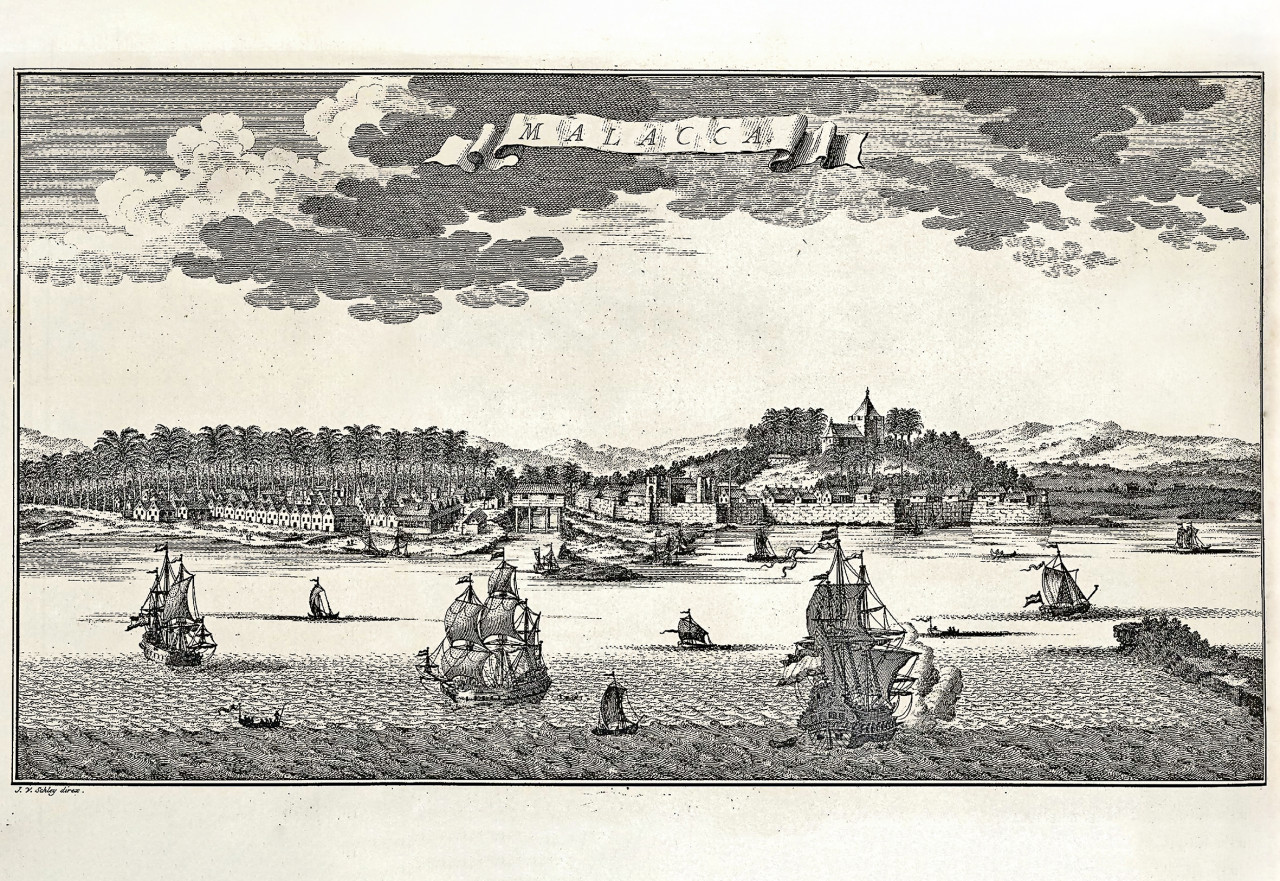
This present staging, curated by Simon Soon in conversation with historian Felice Noelle Rodriguez, offers a response and a new perspective to the recent 500-year-anniversary of the circumnavigation. Drawing on the historical and presently unused Malay terminology for ‘museum’, Skola Gambar or ‘picture school’ repurposes a local interpretive frame to question the standard museological process, its authority over interpretations of the past, and the legitimisation of (grand) historical narratives.
The artefacts assembled for display possess diverse provenance — some historical, some tenuously linked, some reproduced, some functioning as stand-ins and some that are simply fabricated, speculative and fantastical.
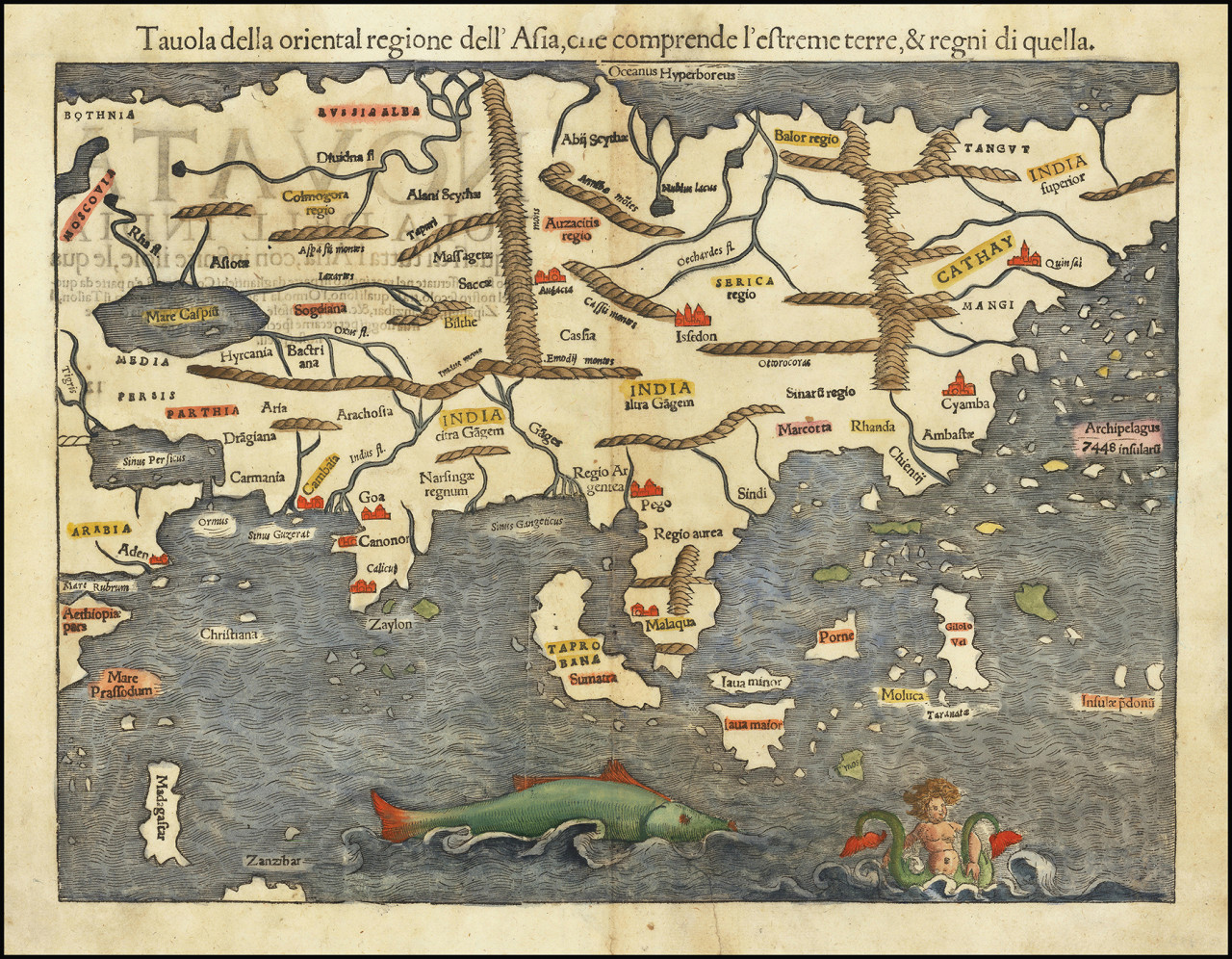
Even so, Ahmad Fuad Osman’s creative approach is informed by historical thinking. The artist directs us to pay close attention to the different voices, claims and meanings that images and artefacts can activate.
By assembling and staging a wide variety of gambar-gambar, the artist draws on the collage principles that underpin the museum’s display operation to reveal the contested meaning-making processes that underlie the legacy of Enrique. Moving beyond the simplistic binary of East versus West, Skola Gambar explores the keramat of images as powerful containers of memories, visions and ideas, that do not simply represent but actively shape collective historical consciousness.
In doing so, the exhibition also explores the contours of history writing, to understand the shared values and competing claims on Enrique’s identity and geographic affiliations across Malaysia, Indonesia and the Philippines. – The Vibes, March 19, 2022