THE Ministry of Education’s decision to introduce a co-teaching model for the upcoming Nature and Humanity subject in 2027 is a progressive move that will strengthen learning among young pupils, said Dr Anuar Ahmad of Universiti Kebangsaan Malaysia (UKM).
The Deputy Director of the Institute of Inclusive Development and Advancement (MINDA) said the dual-teacher system, in which two teachers share responsibility for a single class, is an inclusive approach that gives weaker pupils more attention and promotes collaborative learning.
“This is the kind of approach we need in our early-year classrooms,” he said.
“One teacher can focus on teaching while another supports and guides students who may need extra help. It ensures that no child is left behind.”
He added that the co-teaching strategy aligns perfectly with the philosophy of the new Nature and Humanity: Integrated Learning subject, which aims to combine science, music, visual arts, health education, and digital skills into a single, holistic curriculum.
“This new subject connects nature and humanity — it’s not pure science, but a multidisciplinary learning experience that nurtures curiosity, creativity, and emotional understanding,” Dr Anuar explained.
However, Dr Anuar cautioned that the success of co-teaching depends on thorough preparation and adequate teacher training.
“Co-teaching is more than just placing two teachers in one classroom.”
“They need proper training, planning time, and strong coordination to make the model effective,” he stressed.
He also emphasised the need for improved infrastructure and manageable class sizes to ensure meaningful interaction and effective classroom management.
“Facilities must be suitable, and classes cannot be overcrowded. Without the right environment, even the best teaching ideas won’t reach their full potential,” he added.
It was reported yesterday that the Education Ministry (MOE) will introduce the co-teaching system, under the 2027 school curriculum to balance academic achievement and character development.
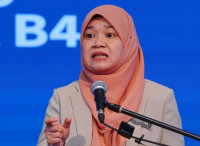
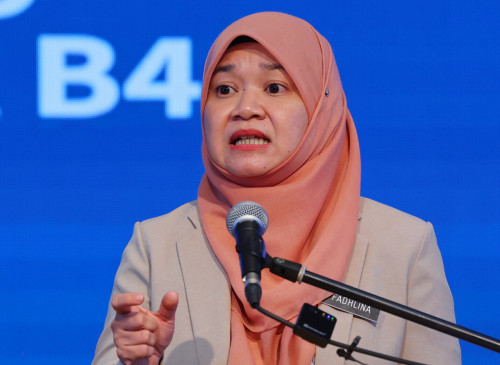
Education minister Fadhlina Sidek said this would make teaching and learning sessions more engaging and effective, and ensure that every student receives adequate attention.
"It is one of the key reforms under the new curriculum, which also emphasises integrated learning — a concept that combines several subjects into a single session, for example, teaching English, Science and Music together," she said.
To implement the method, teachers are being trained in suitable techniques and have responded positively.
"It is not a case of a teacher being assisted by a teaching aide, but a combination of two equal educators working together to make lessons more effective and appealing to students," Fadhlina said.
Meanwhile, the Parent Action Group for Education (PAGE) has also voiced support for the ministry’s co-teaching initiative, describing it as a positive step toward making learning more engaging and meaningful for pupils.
PAGE chair Datin Azimah Rahim said the approach could create a richer classroom environment by allowing teachers to better cater to students’ different learning needs.
“PAGE welcomes the co-teaching initiative as a move that could make learning more engaging and meaningful for our children,” she said.
However, Azimah emphasised that the model’s success will depend on adequate training and planning time for teachers.
“To make it work well, both teachers need proper training and time to plan together,” she said, noting that effective collaboration is key to achieving the ministry’s goals.
She added that implementation should take into account variations in school size and resources across the country.
“Not every class may need two teachers — especially smaller or low-enrolment schools — so we hope the Ministry will study the best teacher-to-student ratio to ensure support goes where it’s truly needed,” she said. – November 7, 2025