.jpg)
THE Delta variant of the coronavirus – or the Alpha variant – was discovered in March. It is important to understand what it means when a virus mutates, why and how it happens, and how to take precautions against it, in order to alleviate the fear surrounding the mutation that tends to spread false information.
While the adults discuss and quarrel among themselves on the potency of this virus, not much has been done to explain the matter in simple terms for the rest of us, especially children.
Allow me to take the opportunity to break it down for my peers.
The information shared here is from numerous research papers, books, and medical journals. Hopefully, it will help provide clarity amidst the noise.
What is a virus?
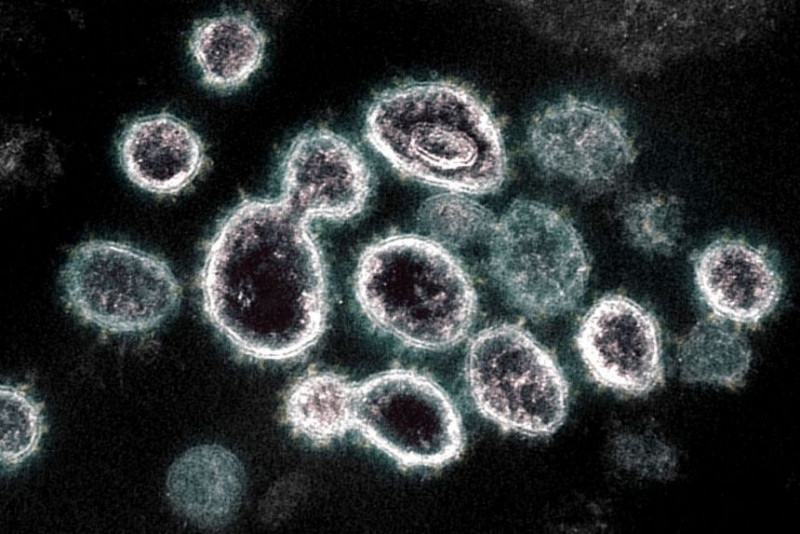
A virus is a small organism that consists of DNA or RNA contained in a protein shell, therefore making it so that viruses cannot reproduce by themselves.
They infect other living organisms in order to produce copies of themselves. Viruses will inject their genetic information (DNA or RNA) into a living cell, and using the host’s cellular metabolism, the DNA will start to replicate and form proteins. All of these components then assemble into fully-formed replicas of the virus.
These millions of copies will then leave their host cells and infect other healthy cells in order to make even more copies. Some viruses are very harmful to the human body because the cells get damaged or even die when hosting a virus.
However, it is important to note that people only get sick once the virus is spread across their body. When the virus originally enters the system, you will not automatically get sick as not enough cells are damaged yet.
When a virus enters the body, your immune system will try to fight it off. However, if it is not able to do so, a process called pathogenesis will begin, which is the process in which a spread of an infection leads to disease.
Mutation of viruses
Viruses are extremely adaptable to their environment, meaning they constantly undergo mutation. Viruses containing DNA will undergo mutation every couple of thousands or million copies. However, viruses containing RNA will undergo mutation per genome cycle (reproductive cycle).

Mutations are a change in the base sequence (nucleotides) or building blocks of DNA, which are then passed onto future generations. The reason why mutations are a big deal sometimes, is because a specific sequence of nucleotides codes for a specific protein. Therefore, if you change one nucleotide, that part of DNA then codes for a completely different protein that performs a different function.
How do vaccines work?
Your immune system automatically attacks the virus once it enters your body. It takes some time, however, for the immune system to develop specific antibodies (protein that counteracts a toxic or foreign substance in the body) for the virus.
Vaccines contain a very small amount of said virus, not enough to harm you, but enough for your immune system to develop the specific antibodies. That way, if you do get infected with the virus later on, your immune system already knows which antibodies to develop in order to stop it.
The tricky thing is that when a virus mutates, most of the time, the antibodies that were used on the original do not work against the mutation – ie, the virus has adapted to its environment.
How different is the Delta variant?
As we have established, the Delta variant is a mutation of Covid-19. Specifically, the Alpha variant has mutated in a way that allowed for a spike to be found on the protein shell of the virus, making it easier to infect human cells – this is the Delta variant. The Delta Plus variant is a sub-mutation of the Delta variant, it has mutated in a way that allowed it to attack lung cells more efficiently and potentially escape the vaccine.
Both variants are quite similar; however, there are some specific differences in symptoms, severity, and contagiousness. The Delta variant is reported to be around 40%-60% more contagious than the Alpha variant. Most of the recent spikes in Covid-19 cases across the world are due to the spreading of the Delta variant.
The symptoms for both variants are similar, but with the Delta variant, it has been noted that headaches, sore throats, and fevers are more common than the loss of smell or taste.
There has not been enough conclusive research and evidence to determine if the Delta variant is more dangerous than its parent variant. However, there has been a study conducted in Scotland that concluded hospitalisation is twice as prevalent in unvaccinated individuals with the Delta variant, than those with the Alpha variant.
On the bright side, research indicates that fully vaccinated individuals are less likely to be hospitalised or fall ill due to the Delta variant.
In conclusion, make sure you are vaccinated, wear a mask every time you are in a public space, wash your hands regularly, and maintain the standard operating procedure rules. There are ways we can prevent the spread of another virus outbreak and keep everyone safe, as long as each individual person plays their part. – The Vibes, November 6, 2021
Liza Nebesnaya is in her final year at the International School of Kuala Lumpur and hopes to study medicine