PUTRAJAYA – The Examination Board today denied using a social media influencer as the voice for the 2022 Sijil Pelajaran Malaysia (SPM) English listening test (UMBI).
In a statement today, the board explained that speakers used in the construction of SPM UMBI 2022 comprise teachers, lecturers, and school and university students proficient in English.
“Those involved have also been trained ahead of the development process for the 2022 SPM UMBI’s items or instruments.
“In this regard, the board is confident that the quality of the audio material and 2022 SPM listening paper remains intact. The board will ensure fairness and that the interests of candidates taking the SPM examination in 2022 are safeguarded,” it said.
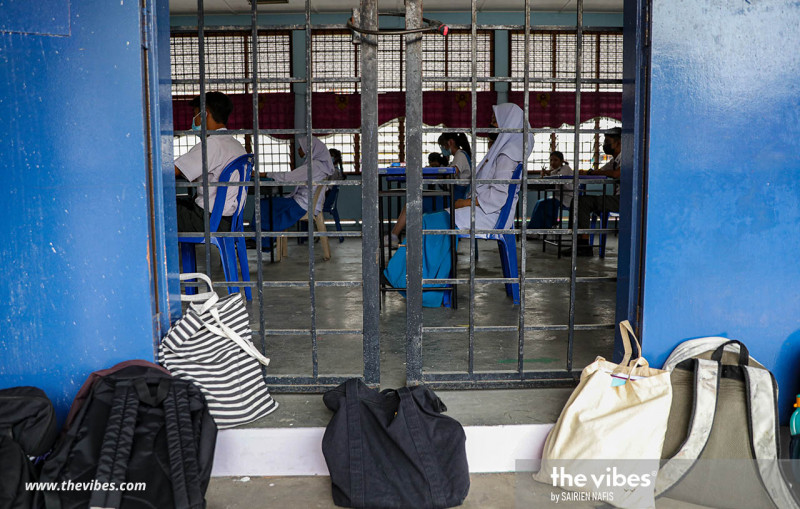
The issue involving the SPM English listening test on February 16 went viral on social media after netizens questioned the credibility of a TikToker allegedly hired to conduct the voice-over, causing candidates to struggle during the test, because the actor spoke too quickly with unclear pronunciation.
According to the Examination Board, the audio material and questions in the listening test were prepared in various forms, namely multiple-choice questions, multiple-form questions, and limited subjective responses.
“SPM UMBI requires candidates to listen, analyse the context of the situation, and understand the overall meaning of the audio material.
“The board also ensures that items or instruments constructed reach the level of administrability, validity, reliability, and authority. The matter is given attention to ensure that the item or instrument is fair to all candidates,” read the statement.
In addition, it said the speaker’s speed of speech for the items or instruments is based on competency according to the Common European Framework of Reference for Languages.
The Examination Board said the construction of the 2022 SPM UMBI’s items or instruments is based on the typical speaking rate and standard speech and conversation, as well as the speaker’s authentic aspect to create a real communication context.
“In addition, pre-tests were also conducted with the participation of students in different locations, urban and rural, to check whether the items or instruments are suitable and meet the specified quality level,” the board said.